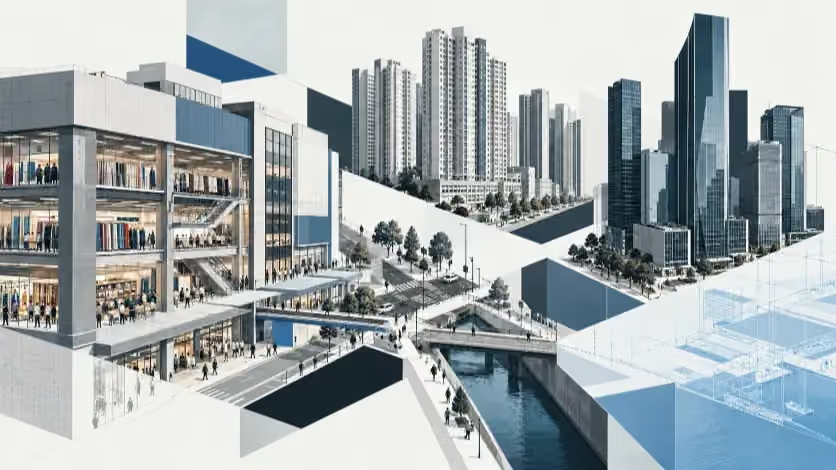
In Busan, Climate Risk Is Written by the Land
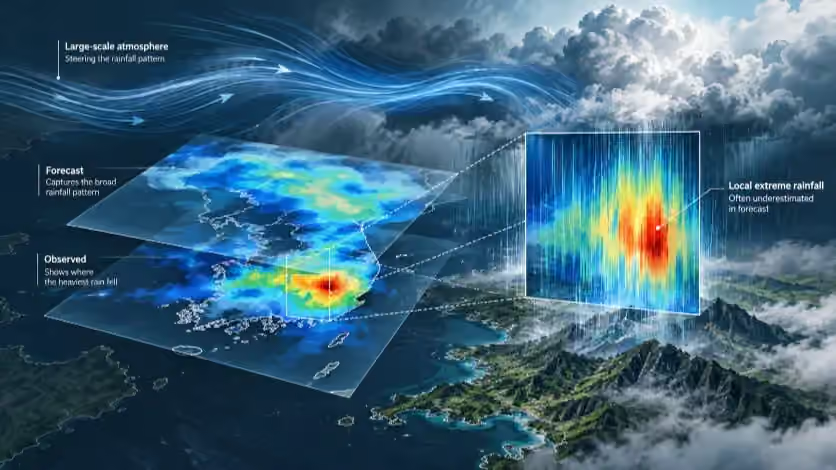
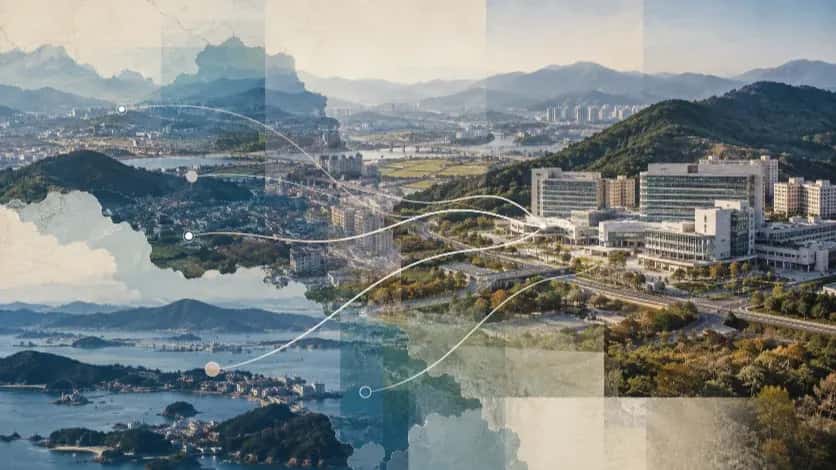
Busan has expanded adaptation planning and disaster-data systems, but its real test lies in whether urban development, drainage and public space are being reorganized around the terrain itself.
Lead report
Updated throughout the day
Busan has expanded adaptation planning and disaster-data systems, but its real test lies in whether urban development, drainage and public space are being reorganized around the terrain itself.
Polling shows deep public anxiety over Busan’s economy. But the deeper problem is structural: an older population, weaker industrial momentum and a local market that no longer supports the city in the way it once did.
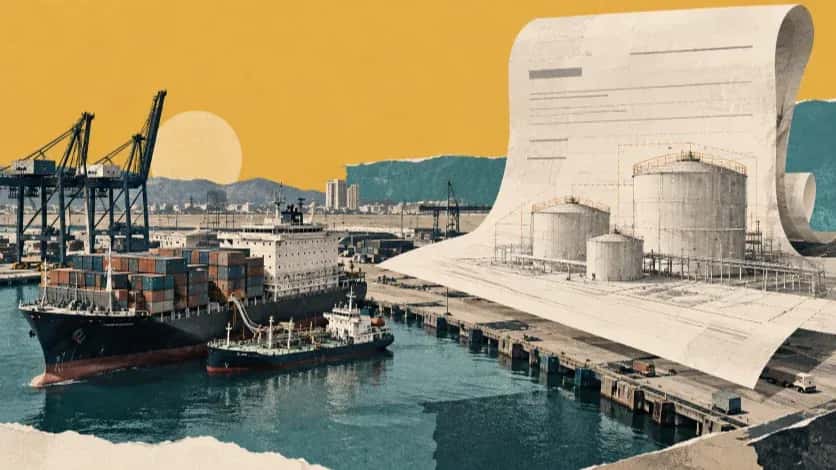
At Seobusan Smart Valley, Busan is trying to use an integrated control system to manage the risks of an older industrial complex. Whether that becomes a working public-safety tool or a technology showcase will depend on results the city has yet to prove.
A clearer structure for newsroom updates, editorial direction, contextual analysis, and transparency records.
Read newsroom noteA curated record of newsroom updates, editorial direction, contextual analysis, and transparency notes.
Edition status
The front page is updated throughout the day with reporting, signals, and newsroom notes.
Notes layer
Editorial bulletins, operational notices, and contextual notes now surface directly in the edition.
Reader access
Selected newsroom notes open discussion to make editorial context easier to follow and revisit.
Core coverage
4 desksBreeze in Busan's core desks lead the daily report across Busan, national affairs, politics, and the economy.
More desks
4 desksAdditional desks extend the report into business, ideas, climate, and emerging topics without diluting the main front-page file.
Newsroom wire
The newest reporting from Breeze in Busan, arranged as a rolling newsroom file across policy, the regional economy, and public life.
What began as a joint U.S.-Israeli strike campaign against Iran has widened into a conflict over missile power, Gulf energy infrastructure, maritime chokepoints and the political limits of U.S. war control.
Open dossier file
Reporting and analysis from the Busan news desk in the Breeze in Busan file.
Busan is increasingly credible as a regional investment base, but firms still prefer the capital region and Chungcheong when making final location decisions. The gap lies in ecosystem depth, strategic services and long-term corporate staying power.
Reporting and analysis from the National News desk in the Breeze in Busan file.
Reporting and analysis from the Opinion desk in the Breeze in Busan file.
South Korea’s 2026 legal reforms do more than curb prosecutorial power. Changes to criminal investigation, constitutional complaint, and the Supreme Court together reveal a deeper constitutional strain: the modern state no longer fits neatly inside the old three-branch model.
Reporting and analysis from the Politics desk in the Breeze in Busan file.
North Port is being sold through stadium politics in Busan’s local election, but the site carries a heavier question. As the waterfront meets Busan Station and the edge of the old downtown, the real issue is whether Busan can build a civic center rather than another disconnected project.
Reporting and analysis from the Busan news desk in the Breeze in Busan file.
Busan is increasingly credible as a regional investment base, but firms still prefer the capital region and Chungcheong when making final location decisions. The gap lies in ecosystem depth, strategic services and long-term corporate staying power.
Reporting and analysis from the National News desk in the Breeze in Busan file.
Reporting and analysis from the Opinion desk in the Breeze in Busan file.
South Korea’s 2026 legal reforms do more than curb prosecutorial power. Changes to criminal investigation, constitutional complaint, and the Supreme Court together reveal a deeper constitutional strain: the modern state no longer fits neatly inside the old three-branch model.
Reporting and analysis from the Politics desk in the Breeze in Busan file.
North Port is being sold through stadium politics in Busan’s local election, but the site carries a heavier question. As the waterfront meets Busan Station and the edge of the old downtown, the real issue is whether Busan can build a civic center rather than another disconnected project.
Reporting and analysis from the Economy desk in the Breeze in Busan file.
Companies can cut junior intake, buy software and rely more heavily on experienced hires without appearing weaker at first. The harder question is what happens a few years later, when too few beginners have been allowed to grow into the middle of the profession.
Reporting and analysis from the Business desk in the Breeze in Busan file.
In South Korea, subscriptions now reach far beyond entertainment, spanning streaming services, shopping memberships, appliance rentals and AI tools. Together, they have become a structural part of daily life, steadily lifting the baseline cost of participation, especially for younger consumers.
Reporting and analysis from the Sustainability desk in the Breeze in Busan file.
Busan’s skyline soared upward while its public horizons quietly receded. Beaches, ridges, and memorial landscapes now stand at the edge of a slow transformation—one in which the view itself becomes a form of private ownership, and silence becomes the city’s most powerful development tool.
Reporting and analysis from the Technology desk in the Breeze in Busan file.
From adaptive signal control and smart intersections to reinforcement learning and predictive traffic management, the real story is not whether cities mention AI, but whether they have built the infrastructure to use it.
Cloud computing taught businesses to accept utility-style pricing for infrastructure. Gemini suggests advanced AI may now be moving in the same direction, with dependable reasoning and uninterrupted use becoming premium conditions.
Reporting and analysis from the Economy desk in the Breeze in Busan file.
Companies can cut junior intake, buy software and rely more heavily on experienced hires without appearing weaker at first. The harder question is what happens a few years later, when too few beginners have been allowed to grow into the middle of the profession.
Reporting and analysis from the Business desk in the Breeze in Busan file.
In South Korea, subscriptions now reach far beyond entertainment, spanning streaming services, shopping memberships, appliance rentals and AI tools. Together, they have become a structural part of daily life, steadily lifting the baseline cost of participation, especially for younger consumers.
Reporting and analysis from the Sustainability desk in the Breeze in Busan file.
Busan’s skyline soared upward while its public horizons quietly receded. Beaches, ridges, and memorial landscapes now stand at the edge of a slow transformation—one in which the view itself becomes a form of private ownership, and silence becomes the city’s most powerful development tool.
Reporting and analysis from the Technology desk in the Breeze in Busan file.
From adaptive signal control and smart intersections to reinforcement learning and predictive traffic management, the real story is not whether cities mention AI, but whether they have built the infrastructure to use it.
Cloud computing taught businesses to accept utility-style pricing for infrastructure. Gemini suggests advanced AI may now be moving in the same direction, with dependable reasoning and uninterrupted use becoming premium conditions.
Signals and briefings
Review the latest dispatches, follow the archive, and join the inbox edition without leaving the publication rhythm of the front page.
Join the inbox edition and revisit prior dispatches from the newsroom record.