Busan Inflation Pressures Local Businesses as Diesel and Transport Costs Rise
Busan’s inflation rate stayed below the national figure in May, but the city’s business exposure tells a sharper story. Diesel, freight, food services, lodging and supplier contracts are squeezing local firms with limited pricing power.

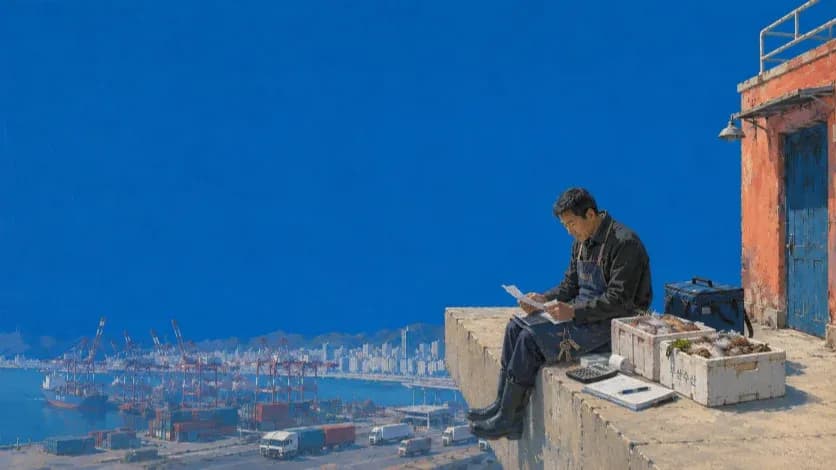
Busan’s May inflation rate looked softer than the national figure. The comparison is technically correct, but it misses the more important business signal. Consumer prices in the city rose 2.9 percent from a year earlier, compared with 3.1 percent nationwide. Yet the pressure inside Busan’s data sat close to the city’s operating base: diesel, transport, lodging, food services, personal services and the supplier routes that keep restaurants, markets, shops and industrial districts moving.
Diesel gives the clearest reading of the problem. In Busan, diesel is not only a household transport cost. It is built into port trucking, seafood distribution, refrigerated delivery, construction equipment, wholesale logistics and the daily routes that connect the port economy to the street economy. When diesel rises sharply, the cost does not wait for consumers at the pump. It moves first through freight bills, delivery charges, supplier contracts and invoices. Some of that cost later appears in restaurant menus, retail prices or room rates. Some of it never reaches the consumer at all. It stays inside business margins.
That distinction turns Busan’s May inflation data into more than a consumer-price report. The city is not facing the highest inflation number in Korea. It is facing a cost mix that lands directly on the firms that move goods, feed residents, host visitors and supply manufacturers. The headline rate says prices rose. The composition of the increase shows where the strain is likely to settle.
Diesel Reaches Businesses Before Consumers See It
Fuel prices are often reported as a burden on drivers. Busan requires a different reading because fuel sits inside the city’s commercial circulation. A container truck leaving the port carries the fuel cost into a freight invoice. A refrigerated vehicle carrying seafood from auction floors to restaurants turns diesel into a distribution charge. A small supplier delivering ingredients across the city must decide whether to add a surcharge, raise wholesale prices or absorb the difference. Those decisions do not appear immediately in the consumer price index. They appear first in operating margins.
The city’s May data showed transport prices rising far faster than headline inflation. Petroleum products also climbed sharply, while diesel posted one of the strongest increases among major items. For a port city, those numbers describe more than household mobility. Diesel sits inside container drayage, cold-chain logistics, construction work, wholesale markets, seafood distribution and small-business delivery. A sustained rise in diesel therefore pushes costs through the working parts of the city long before the final customer sees a higher price tag.
The first businesses to feel the pressure often have the least room to pass it on. Restaurants can raise menu prices, but each increase changes how office workers choose lunch and how families decide whether to eat out. Small retailers can accept higher delivery costs for a time, but repeated increases shorten their cash runway. Lodging operators can recover part of the cost during a concert weekend, a festival or a peak travel season, but weekday demand does not always support the same price. A supplier can add a fuel surcharge to an invoice, but a customer with weaker sales may resist the increase or delay payment.
Busan’s inflation problem therefore begins before the final price tag. It begins in the operating costs of the firms that move goods through the city. Diesel does not need to become visibly expensive to every consumer for the damage to spread. It only has to stay expensive long enough for freight bills, supplier contracts and delivery charges to eat into the businesses that stand between the port and the street.
Service Prices Make the Pressure Harder to Reverse
Fuel prices can fall. Service prices rarely move back as quickly. That difference matters because Busan’s May data did not show a fuel problem alone. Goods and services contributed almost equally to the city’s annual inflation rate, with goods adding 1.47 percentage points and services adding 1.46 percentage points. Petroleum products started much of the pressure, but restaurants, lodging operators, personal-service businesses and maintenance providers now sit closer to the next stage of price adjustment.
A restaurant does not reset its menu every time diesel prices move. It waits until fuel, ingredients, utilities, delivery charges and wages have pushed against the same margin. A small hotel does not change room rates only because electricity or laundry costs rise. Occupancy, platform commissions, cleaning costs and weekend demand shape the decision as much as utility bills. A repair shop, hair salon or local service provider faces a similar calculation: raise prices and risk losing customers, or hold prices and let higher costs consume the margin.
Once a higher cost becomes a menu price, a room rate, a maintenance fee or a delivery charge, the increase tends to stay. Businesses do not lower prices easily after they have adjusted payroll, supplier contracts, inventory and operating schedules around a new cost base. Customers may see the final price only at the counter, but the business decision usually comes after months of accumulated pressure.
For Busan, the service side of inflation also cuts into demand. Restaurants, lodging, retail and leisure businesses depend on customers who can postpone spending, trade down or shorten visits. A higher lunch price may reduce weekday foot traffic. A higher room rate may work during a peak tourism period but leave operators exposed in slower months. A higher service fee may protect one business while pushing another firm’s cost base higher. Service inflation therefore makes the city’s price pressure more durable because it embeds temporary shocks in recurring business costs.
Small Firms Cannot Pass Every Cost to Customers
Higher costs do not become higher revenue by themselves. For many small firms in Busan, the harder question is not whether diesel, ingredients, utilities or delivery charges have risen. The harder question is whether customers will accept the price needed to cover them. A restaurant owner can raise a lunch menu from 9,000 won to 10,000 won, but the increase changes how office workers choose lunch. A small retailer can add delivery costs to the final price, but customers can compare online prices within seconds. A guesthouse can lift weekend rates during a major event, but weekday demand may not support the same charge.
That gap between cost and price is where inflation becomes a margin problem. Large firms can negotiate contracts, spread costs across scale, delay investment or use financial reserves. Smaller businesses usually meet the increase at the invoice level. A supplier charges more for ingredients. A delivery company adds a fuel surcharge. A platform keeps its commission. A utility bill arrives higher than the previous month. The business owner then chooses which cost to pass on, which cost to absorb and which part of the operation to cut.
Those choices rarely appear in inflation data, but they shape the local economy. They appear in smaller portions, shorter opening hours, slower hiring, reduced staff shifts and delayed repairs. A restaurant may keep its headline menu price unchanged but switch ingredients. A café may close earlier on slow weekdays. A small hotel may postpone room upgrades. A supplier may demand faster payment from a retailer that already has weaker sales. Inflation reaches the consumer price index only after many of these private adjustments have already taken place.
Busan’s May inflation data therefore point to a negotiation happening across the city’s small-business economy: between restaurants and diners, suppliers and shop owners, lodging operators and visitors, delivery firms and merchants. Each negotiation decides where the higher cost finally lands. In many cases, it lands first on the business with the least room to carry it.
Busan’s Discretionary Economy Adds a Demand Risk
Busan’s inflation problem does not sit only on the cost side of the ledger. The city also depends heavily on spending that households and visitors can cut first. Restaurants, cafés, lodging businesses, small retailers, leisure operators and personal-service providers all stand close to discretionary consumption. Their sales depend on decisions that can change quickly when prices rise. A family can eat out less often. Office workers can choose a cheaper lunch. Tourists can shorten a stay or spend less outside the hotel. Residents can delay a haircut, a repair, a fitness class or a small purchase that no longer feels necessary.
That structure makes inflation more dangerous than the headline rate suggests. Higher fuel, delivery, utility and service costs raise operating expenses at the same time that weaker purchasing power threatens sales. A restaurant may face higher ingredient and delivery bills just as diners become more price-sensitive. A guesthouse may pay more for cleaning, laundry and platform commissions just as visitors compare cheaper rooms. A small retailer may receive higher supplier invoices while customers move faster toward online discounts.
Costs rise from the supply side while demand softens from the consumer side. Many businesses can survive one of those pressures for a time. Fewer can absorb both for long, especially when margins were already thin before the latest price increase. Busan’s service economy also has a timing problem: costs arrive first. The fuel surcharge, the utility bill, the supplier invoice and the wage payment come before the owner knows whether customers will accept higher prices. Revenue arrives later, and sometimes weaker than expected. That delay turns inflation into a cash-flow problem, not only a pricing problem.
A Bank of Korea Busan office analysis cited by regional media placed Busan’s discretionary-consumption-related industries at 16.1 percent, above the national average of 13.9 percent and third among 17 provinces and metropolitan cities after Seoul and Jeju. The figure helps explain why a fuel-led price increase can become a broader local business risk. Inflation weakens the same sectors that carry much of Busan’s street-level economy: food services, lodging, leisure, retail and personal services.
Tourism does not fully remove that risk. Large events can lift hotel rates, restaurant traffic and retail sales for a weekend, but event-driven demand does not protect every business across the year. A lodging operator near a peak travel area may recover costs during a concert period. A small restaurant outside the main visitor route may see little benefit. A neighborhood retailer may face the same delivery and utility costs without receiving any tourism windfall. Inflation does not hit a single Busan. It hits several Busans at once: the port city, the restaurant city, the lodging city, the neighborhood retail city and the industrial supplier city.
The Supply-Chain Risk Does Not Stop at the City Line
Busan does not carry the energy shock alone. The city sits inside a southeastern industrial belt where port logistics, machinery, shipbuilding, petrochemicals, steel, construction and small manufacturing suppliers depend on one another. A rise in fuel or energy prices therefore does not move through Busan as a single local cost. It moves across company borders, city borders and contract layers.
Many Busan firms work several steps away from the final buyer. A small machine-parts supplier may not sell directly to a shipyard. A packaging firm may serve a distributor that serves a larger manufacturer. A transport contractor may depend on freight volumes set by exporters, warehouses and port schedules. When energy costs rise upstream, the first pressure often appears downstream as a tighter delivery deadline, a higher input price, a delayed order or a payment term that becomes harder to manage.
The risk is not limited to oil itself. Higher energy costs can raise the price of plastics, rubber, steel processing, packaging, maintenance and construction materials. A manufacturer in Ulsan or South Gyeongsang may face the first production-cost increase, but a Busan supplier can feel the strain later through lower orders, delayed payments or tougher price negotiations. The shock travels quietly because it often arrives as a contract problem before it becomes a headline price.
Regional reporting on the Bank of Korea’s Busan office analysis said a 10 percent increase in combined crude oil and LNG prices would lift production costs in the southeastern region by 0.75 percent, the highest among seven Korean regions. The same reporting noted that Busan’s direct increase would be lower than the national average, but the broader southeastern exposure rises because Busan is tied to the heavier manufacturing structures of Ulsan and South Gyeongsang.
For a small supplier, that form of inflation does not appear as a higher restaurant bill or a more expensive hotel room. It appears as a thinner spread between the purchase order and the invoice. It appears when a fuel surcharge cannot be fully recovered, when a raw-material quote changes faster than a contract price, or when a customer delays payment while the supplier still has to pay wages, utilities and transport bills.
Busan’s position in the southeastern economy therefore amplifies the pressure. The city is exposed not only to what residents buy, but also to what regional manufacturers produce, what exporters ship, what contractors build and what suppliers can finance while waiting to be paid. A fuel-led price increase may begin with diesel and transport, but it can end in working capital, order books and the survival of small firms deep inside the supply chain.
Policy Has to Follow the Cost
Busan cannot control global oil prices. The city cannot decide exchange rates, Middle East risk or the cost of imported energy. Local policy can still perform one essential task: identify where higher costs are being absorbed before they become visible in consumer prices.
That requires a more precise reading of inflation than the headline rate provides. A restaurant facing higher ingredient, gas and delivery costs does not face the same problem as a trucking firm paying more for diesel. A seafood distributor carrying refrigerated goods does not face the same problem as a guesthouse paying higher laundry, cleaning and platform costs. A second-tier supplier in an industrial district does not face the same problem as a retailer losing customers to online discounts.
Each business receives inflation through a different channel. Some see it in fuel. Some see it in utilities. Some see it in supplier invoices, commissions, rent, insurance, delayed payments or weaker foot traffic. A single inflation number cannot tell policymakers which firms are raising prices, which firms are absorbing costs and which firms are cutting hours, staff or investment to stay open.
Busan’s first task is diagnostic. Freight bills, delivery fees, supplier contracts, utility charges and payment terms should be read as business indicators, not only private operating details. They show where firms have lost pricing power and where inflation is being carried inside margins. The second task is to separate temporary price spikes from a new cost base. Fuel prices may retreat if oil markets stabilize, but a higher menu price, a higher room rate, a new delivery surcharge or a renegotiated supply contract can remain after the original shock fades. Once firms reorganize staffing, inventory, opening hours and procurement around higher costs, the city faces a more persistent business problem than the monthly CPI table suggests.
The third task is to watch demand, not only prices. Busan’s exposure to restaurants, lodging, retail, tourism and personal services means inflation can weaken firms from both directions. Costs rise before revenue adjusts. Customers become more selective before businesses recover margins. A policy response that watches only price increases may overlook falling orders, shorter visits, lower weekday traffic and delayed investment.
Busan’s inflation rate was not the highest in Korea. That is not the measure that matters most. The city’s risk lies in the cost map beneath the headline number. Diesel, freight, food services, lodging, personal services and supplier contracts sit close to the margins of the businesses that connect the port economy to the street economy. If those firms cannot pass costs on, inflation will not disappear from the data. It will move into cash flow, staffing, investment and closures.
Busan’s 2.9 percent inflation rate looks modest beside the national figure. The cost map does not.
Continue this reporting
Reporting on the same issue
Related coverage selected from the article's desk, topics and newsroom relationships.
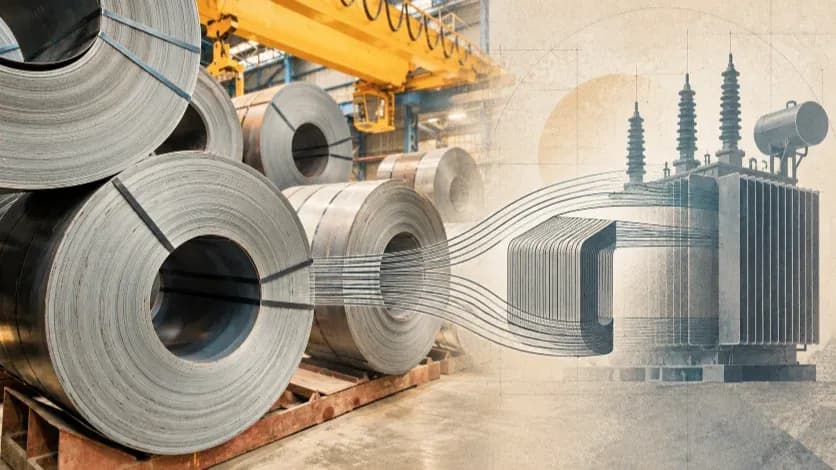 NewsSep 21, 2026
Europe’s Electrical-Steel Safeguard Now Reaches Inside the Transformer
A new EU safeguard follows electrical steel into certain finished transformer...
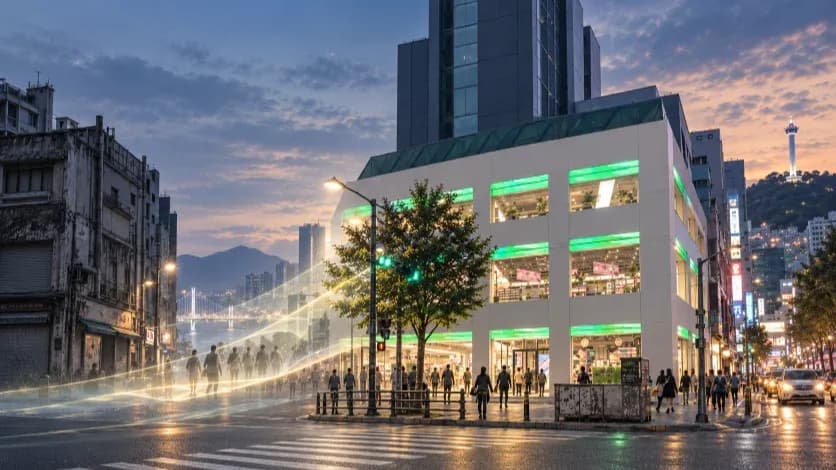 NewsSep 14, 2026
Foreign Tourist Spending Is Reshaping Busan’s Nampo District
Foreign spending is making long-empty commercial space valuable again in Namp...
 NewsSep 11, 2026
Busan-Jinhae’s New Industrial Strategy Meets a Jobs Divide
As BJFEZ prepares to add AI, data and advanced energy to its industrial prior...
More from the author
More from this byline
Stay with the same line of reporting through more work from this byline.
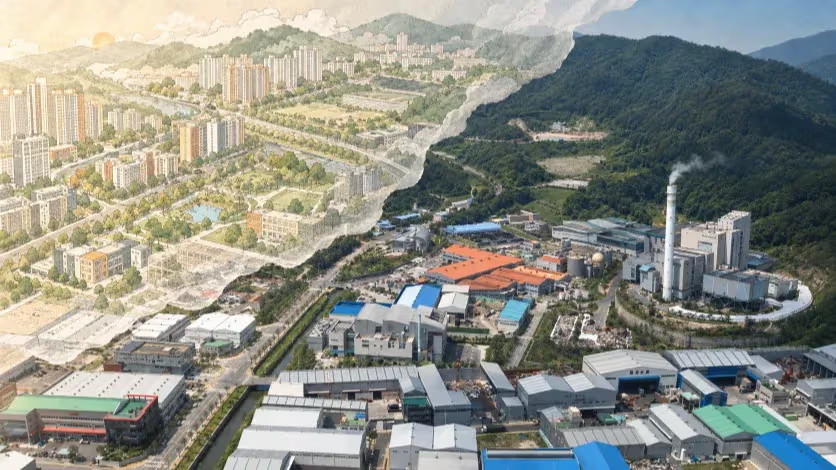 NewsSep 22, 2026
Busan Is Growing Westward as Its Waste Infrastructure Stays Put
Editorial Record
Corrections, sourcing notes and newsroom disclosures remain part of the published record. View Newsroom Notes →
Reader Signal
Community readWhat did this report leave you with?
Choose the signal that best reflects your reading. Select it again to remove it.
One response per article
No response selected
A moderated conversation about the reporting.
One-level replies and newsroom moderation keep the conversation anchored to this article.
Discussion Status
Open
Please sign in to join the discussion.
Newsletter
Weekly reporting and context from Busan and Korea.