Breeze in Busan newsroom
"Focused on education, gender, inequality, and social justice, we provide critical analysis, encouraging dialogue on the pressing social issues that shape our world."
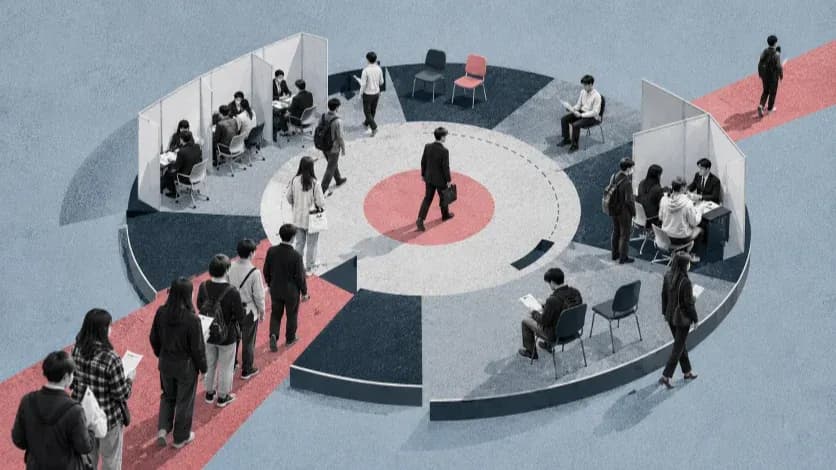
With one of the highest tertiary attainment rates in the OECD, Korea’s universities remain unavoidable. Yet lower employment returns, rising private costs, and widespread AI-assisted coursework raise questions about what university education reliably certifies.
More than four-fifths of Busan’s population loss over six months came from residents aged 20 to 39, compressing years of demographic change into a single reporting cycle.
Government AI systems do not merely assist work; they issue authoritative signals that shape rights, obligations, and trust.
For years, Busan has tried to revive its old hillside districts with small lifts, monorails, and planning models borrowed from flat cities. None of them have worked. The terrain—steep, fragmented, and rapidly aging—keeps breaking the plans long before they reach the ground.
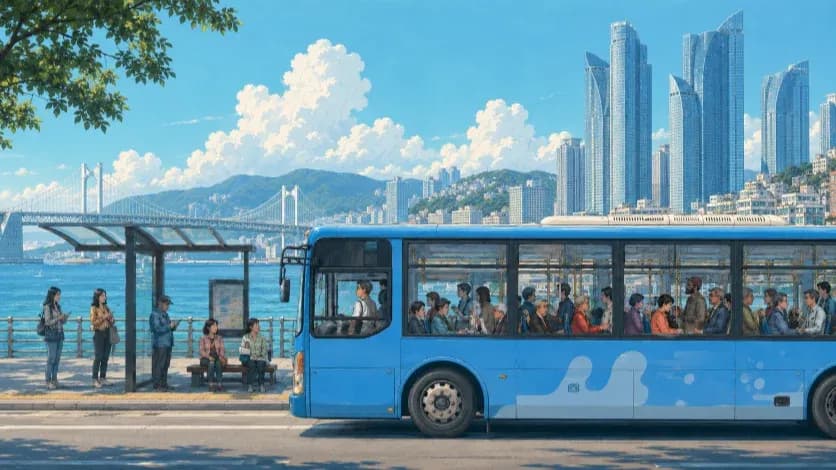
The city’s 52-kilometer coastal belt connects seven bridges from Gadeok to Haeundae. The view is unified, but toll roads, freight traffic and limited walkways still shape how residents move along the shoreline.
Daiso was credited with democratizing supplements by dropping prices to pocket-change levels. But a closer look at dosage, duration, and unit cost reveals a different picture—a market rebuilt on micro-doses, impulse purchases, and the illusion of cheap health.