Reporting, analysis, and commentary on economy from Breeze in Busan.
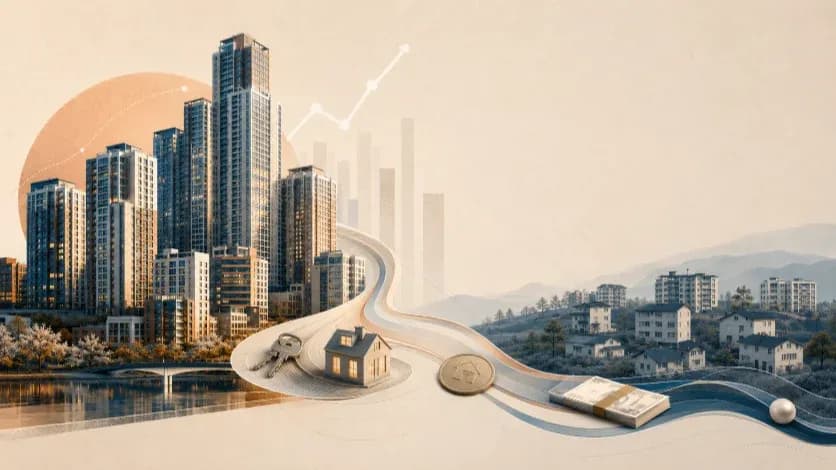
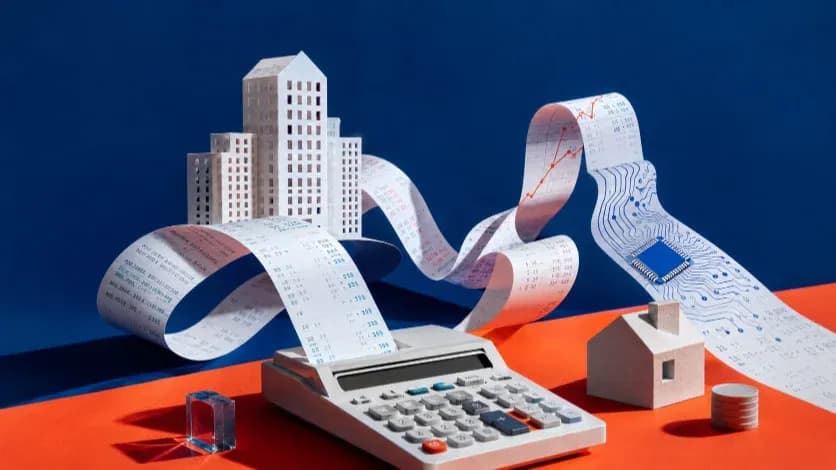
South Korea’s real estate boom built a nation on belief, turning apartments into currency and housing into ideology. What began as housing policy evolved into an economy of leverage and faith, where stability preserves imbalance and prosperity hides erosion.
Korea’s households carry one of the heaviest debt loads in the OECD, with most mortgages tied to floating rates. That fragility makes the economy hypersensitive to policy shifts and sustains property speculation even as consumption weakens and provincial vacancies mount.
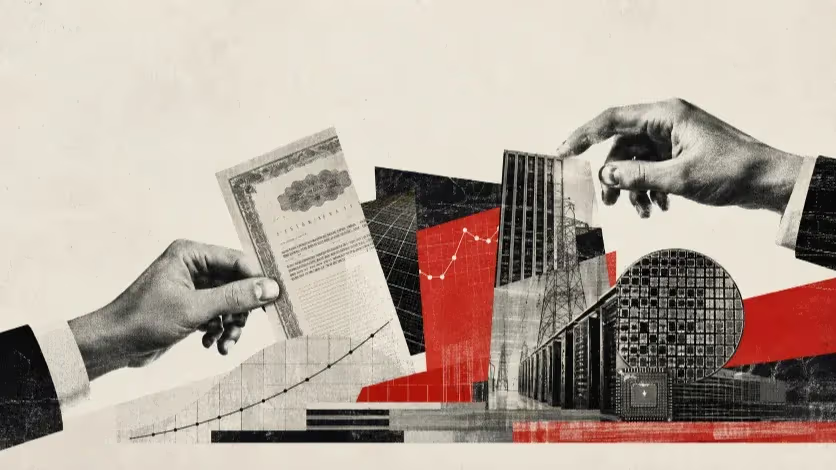
The Financial Supervisory Service has sweeping powers over banks, insurers, and securities firms—but little structural responsibility when scandals erupt. The government’s reform plan seeks to fix this imbalance, sparking fierce resistance from within.