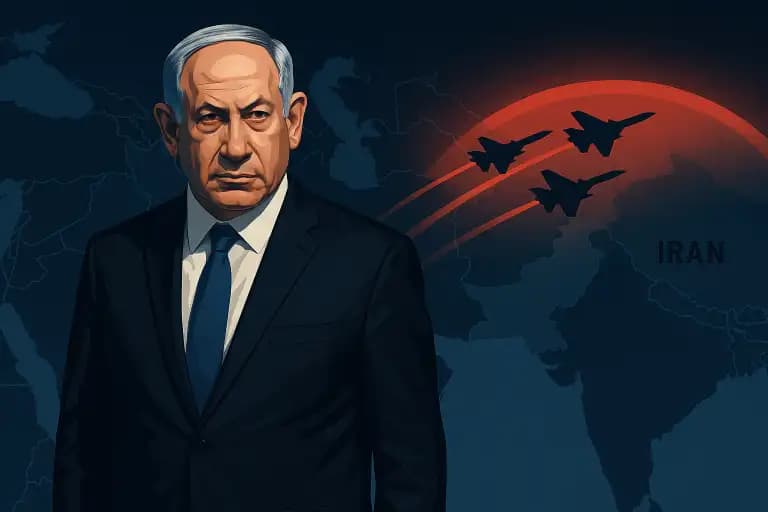
How Modern Leaders Are Turning Crisis Into Power
From airstrikes to martial law, modern leaders are increasingly turning to national crises—real or manufactured—to consolidate power.
Reporting and analysis on politics, elections, government, power, and public policy in South Korea and the wider world.
About this section
Reporting on public institutions, power, elections, and policy, connecting political decisions to their consequences in civic life.
From airstrikes to martial law, modern leaders are increasingly turning to national crises—real or manufactured—to consolidate power.
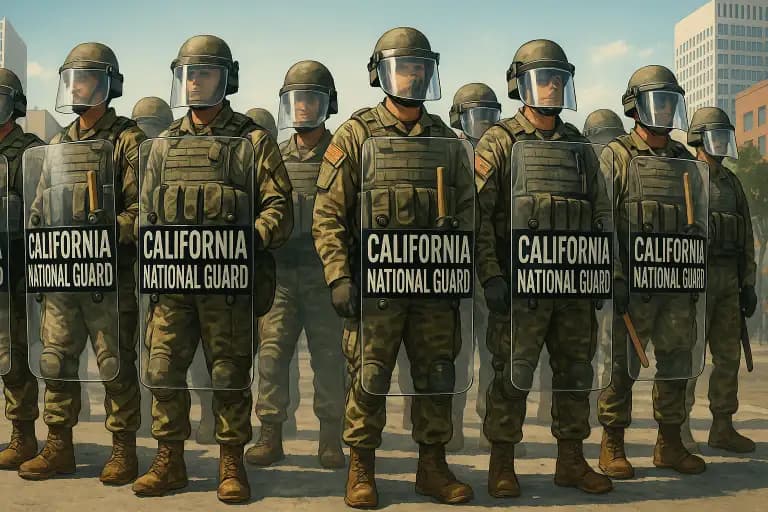
The 2025 deployment of 2,000 federally activated National Guard troops to Los Angeles marked more than a security measure — it signaled a deeper transformation in how dissent is policed and democracy is governed in America.

The politics of simple answers is emerging as a powerful tool in today's polarized world. From Harvard’s visa directive to algorithmic-driven digital platforms, we are witnessing the transformation of politics into a simplified system of classification.

South Korea's true crisis is not low fertility, but the unraveling of institutional trust and social solidarity in a society that no longer believes in a common future.
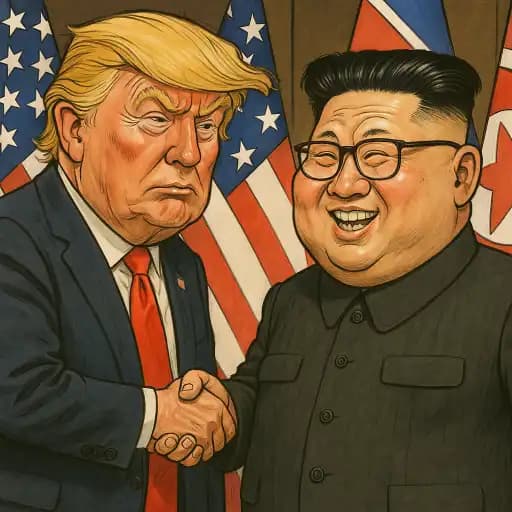
A new era of U.S.–China rivalry is forcing Washington to reconsider how it deals with North Korea. No longer just a threat, Pyongyang may now serve as a geopolitical disruptor—one that weakens Beijing’s regional grip.

The Alaska LNG pipeline promises energy cooperation but delivers long-term carbon liability and fiscal exposure. With a climate bill potentially reaching $5 trillion, Korea must see the deal for what it is: a trap, not a partnership.

As the United States doubles down on reshoring and global supply chains fracture along geopolitical lines, Korea faces a stark choice: continue riding the waves of export dependency, or build the capacity to steer its own course. This moment demands not tactical diplomacy, but structural change.

Across democracies, far-right movements are gaining ground — not despite economic dislocation and inequality, but because of them. As liberal institutions fail to offer emotional resonance and material security, the vacuum is filled by nativist myths and authoritarian certainty.
South Korea’s democracy passed the test—barely. To avoid the next constitutional crisis, the nation must rethink how power is distributed, monitored, and restrained.

South Korea’s legal and bureaucratic systems remain disproportionately shaped by a narrow academic elite and a fast-tracked path to unchecked authority.

As private platforms shape access to jobs, healthcare, and food, those without digital visibility are increasingly left behind. Public platforms offer a way to ensure dignity, equity, and inclusion in the age of algorithms.

The U.S. has signaled concerns over South Korea’s security choices with its ‘Sensitive Country’ designation. Will Seoul gamble on nuclearization or invest in AI and regional diplomacy for long-term stability?
Search within Politics or the wider site.