Explore

  • Home
  • Latest News
  • About
  • Editor

Contribute

  • Send News
  • Contact
  • Join Team
  • Collaborate

Legal

  • Privacy Policy
  • Cookie Policy
  • Terms of Use
  • Correction & Rebuttal

Connect

Email Contacts

News Tips: [email protected]
Partnerships: [email protected]
Contribute: [email protected]
Information: [email protected]

Address: 30, Hasinbeonyeong‑ro 151beon‑gil, Saha‑gu, Busan, Korea  |  Tel: +82 507‑1311‑4503  |  Online newspaper registration No: Busan 아00471

Date of registration: 2022.11.16  |  Publisher·Editor: Maru Kim  |  Juvenile Protection Manager: Maru Kim

© 2026 Breeze in Busan. All Rights Reserved.

Home/Topics/Psychology

Psychology News

Reporting, analysis, and commentary on psychology from Breeze in Busan.

20 articlesPage 1 of 2
Search within Psychology or the wider site.
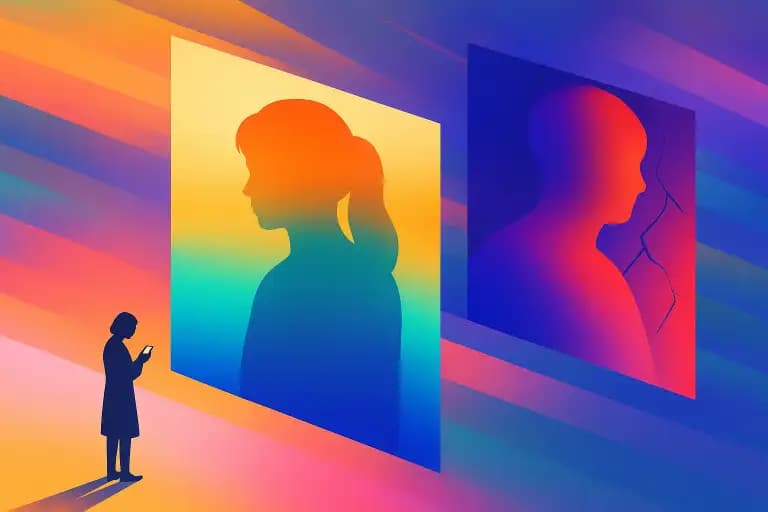
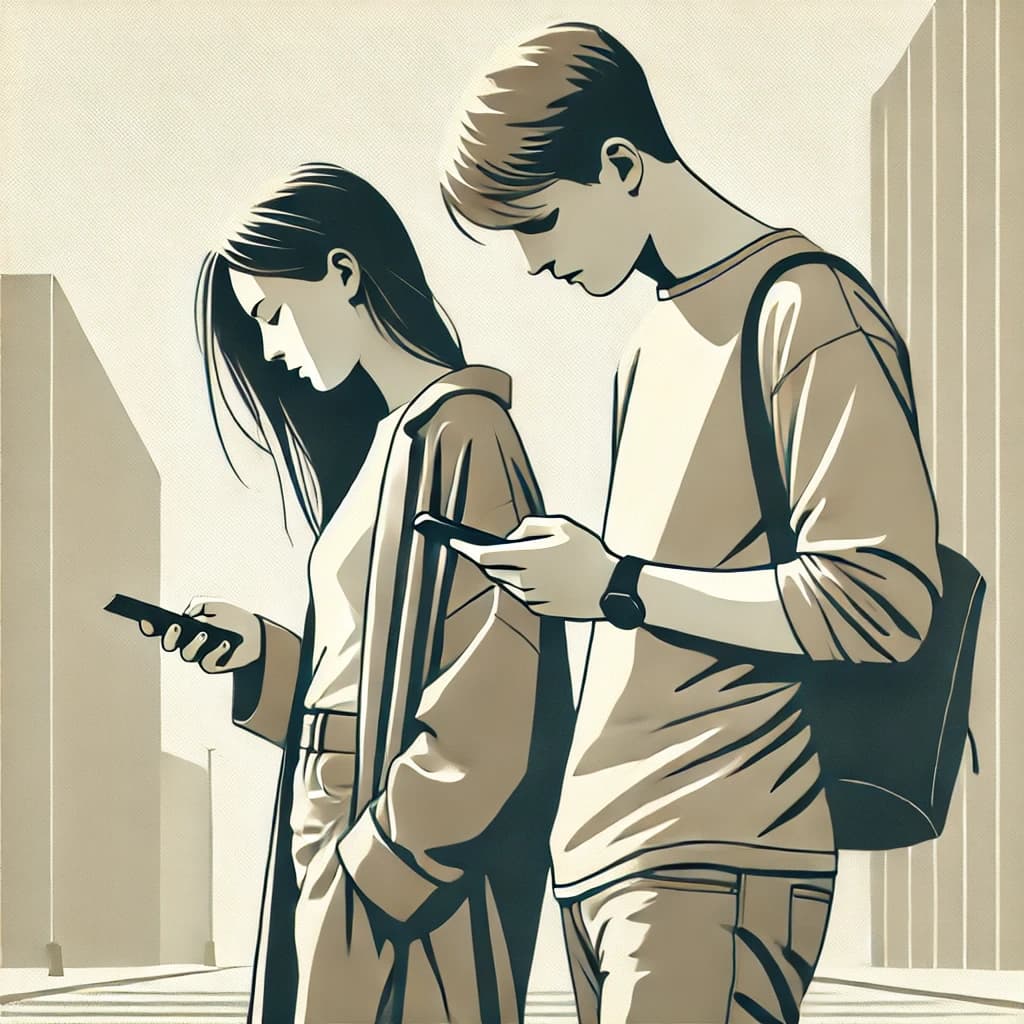
Do We Even Know What We Want Anymore?

Do We Even Know What We Want Anymore?

Selection pressure in algorithmic environments resembles evolutionary dynamics more than cultural discourse.

January 16, 202611 min read
The Hidden Danger of ‘Always-Agreeable’ AI in Mental Health Support

The Hidden Danger of ‘Always-Agreeable’ AI in Mental Health Support

AI chatbots’ unconditional empathy may feel comforting, but experts warn it can worsen mental health for vulnerable users unless corrective feedback is built in.

August 17, 20256 min read
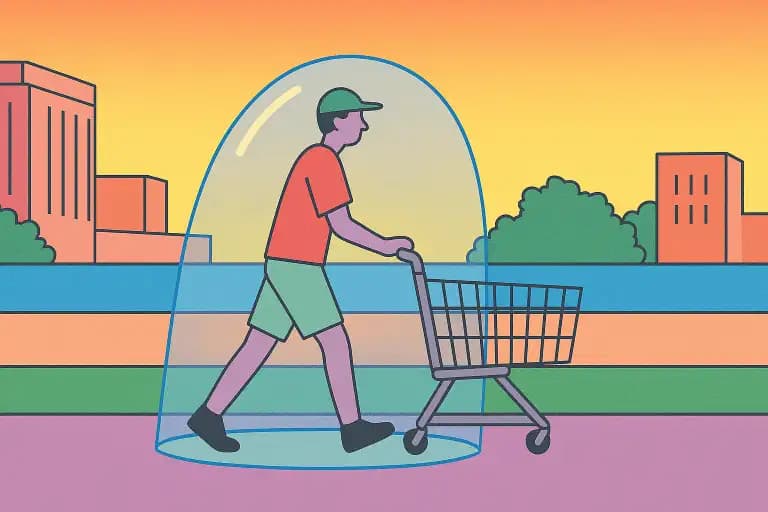
You Can Build a City, But You Can’t Force It to Be Loved

You Can Build a City, But You Can’t Force It to Be Loved

South Korea’s new cities are built to perfection—and remain emotionally vacant. Here’s why urban overplanning is failing to create real places.

May 27, 20258 min read
Designed to Distract: How Overstimulation Reshapes the Mind

Designed to Distract: How Overstimulation Reshapes the Mind

Why do small sounds feel unbearable? Why does silence feel unnatural? Neuroscience, psychology, and culture all point to the same answer: too much, too fast, for too long.

May 10, 202513 min read
To Smell Is to Remember: The Psychology of Scent in the Age of AI

To Smell Is to Remember: The Psychology of Scent in the Age of AI

Smell bypasses language and logic to access emotion and memory directly. As machines advance in sensory replication, olfaction remains a frontier — where technology’s limits and humanity’s depth come into sharp focus.

April 18, 20258 min read
Why AI-Generated Beauty Leaves Us Cold

Why AI-Generated Beauty Leaves Us Cold

Generative AI can now produce images, messages, and moods designed to feel deeply human. But increasingly, audiences report a strange detachment—even unease. This isn’t about bad design. It’s about what happens to human psychology when emotional signals no longer come from real people.

April 5, 20258 min read
Digital Masculinity: How Social Change Fuels Extremism

Digital Masculinity: How Social Change Fuels Extremism

Not long ago, the internet was seen as a limitless space for connection, knowledge, and progress. Today, however, it has become a breeding ground for something far more insidious. Across online platforms, a growing number of young men are being drawn into radical communities, where disillusionment festers, grievances are amplified, and extremist ideologies take root. From the anonymous corners of South Korea’s Ilbe and DC Inside to the global reach of 4chan and Reddit, these spaces offer not jus

January 27, 202525 min read
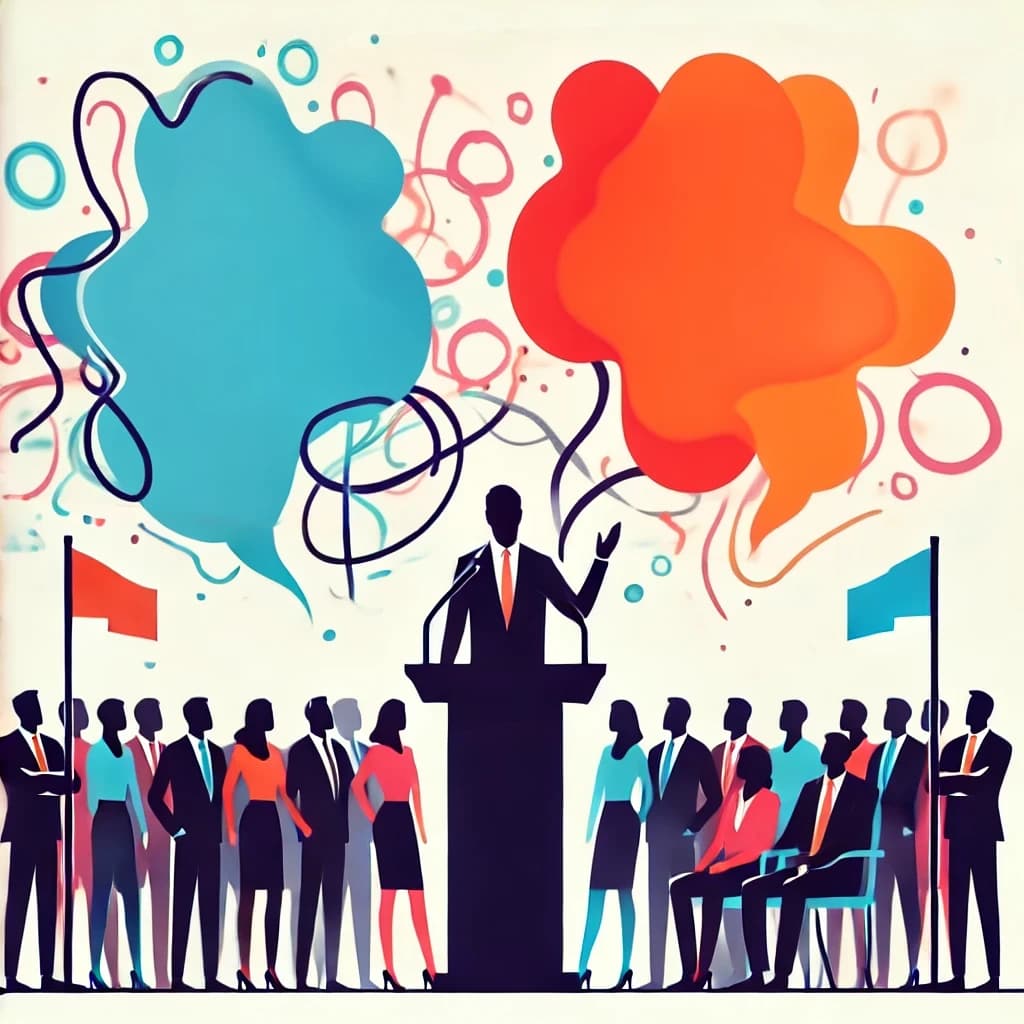
The Truth About Political Lies: Why We Keep Believing

The Truth About Political Lies: Why We Keep Believing

In an age of information overload, where access to facts is easier than ever, one might expect that political lies would struggle to take root. Yet, despite the abundance of credible sources and fact-checking mechanisms, many individuals continue to believe and even defend political falsehoods that have been repeatedly debunked. The persistence of these beliefs reveals a complex interplay of psychological, social, and cultural factors that influence human cognition and behavior. Political decep

January 25, 20253 min read
The Psychology Behind Our Unease with AI-Created Images

The Psychology Behind Our Unease with AI-Created Images

As artificial intelligence (AI) technologies revolutionize creative fields, the emergence of AI-generated images and videos has captivated audiences worldwide. At first, these hyper-realistic creations amazed viewers with their technical prowess. Yet, over time, a subtle unease and detachment have arisen among viewers, leading to questions about the psychological and scientific underpinnings of this phenomenon. Why do AI-generated visuals, despite their technical sophistication, often feel less

November 30, 202410 min read
Why Korean Singles Are Moving Away from Dating Apps

Why Korean Singles Are Moving Away from Dating Apps

In South Korea, where traditions often intertwine with the latest technological advances, dating culture is undergoing a notable shift. Once dominated by the rise of dating apps, particularly during the socially restrictive pandemic years, the scene is now swinging back to more traditional, face-to-face interactions. While apps like Tinder and Bumble remain popular globally, recent statistics indicate a global trend of “app fatigue,” with users increasingly seeking in-person interactions over al

November 9, 20246 min read
Psychological Impact of McLuhan’s "Medium is the Message"

Psychological Impact of McLuhan’s "Medium is the Message"

In a world where technology saturates nearly every aspect of daily life, Marshall McLuhan’s famous dictum, “The medium is the message,” has proven more relevant than ever. As we navigate an era dominated by digital platforms, McLuhan's insights into the power of media environments resonate deeply, especially when examined through a psychological lens. His central thesis—that the form of media impacts human experience more than the content—has now been supported by numerous psychological studies,

October 26, 20244 min read
Cultural Perceptions of Kamala Harris’s Body Language

Cultural Perceptions of Kamala Harris’s Body Language

The 2024 presidential debate between Kamala Harris and Donald Trump sparked a significant conversation, not only for the policy points raised but also for the candidates' nonverbal communication. Harris, in particular, drew attention for her expressive body language and facial reactions. While these behaviors were seen as confident and assertive by some, others perceived them as theatrical or insincere. This divide becomes even more intriguing when we examine how such actions might be perceived

September 21, 20245 min read
PrevNext

Page 1 of 2