
South Korea’s Far Right: An Opportunistic Hybrid in Global Extremism
South Korea’s far right is less an ideology than a fusion—rooted in Cold War anti-communism, evangelical networks, and borrowed narratives from the U.S. and Japan.
Reporting and analysis on politics, elections, government, power, and public policy in South Korea and the wider world.
About this section
Reporting on public institutions, power, elections, and policy, connecting political decisions to their consequences in civic life.
South Korea’s far right is less an ideology than a fusion—rooted in Cold War anti-communism, evangelical networks, and borrowed narratives from the U.S. and Japan.

South Korea is moving to dismantle the Prosecutors’ Office and divide the Finance Ministry, aiming to end two long-standing monopolies of authority.
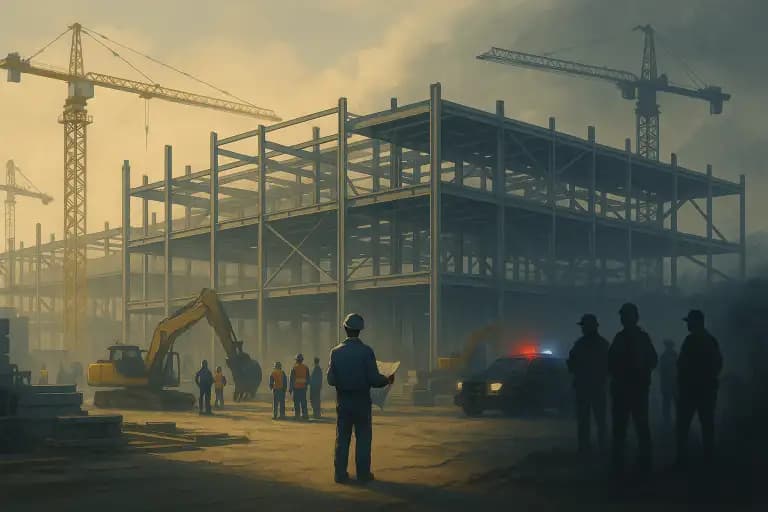
The Ellabell raid highlights a structural flaw in U.S. policy: labor shortages in advanced manufacturing collide with restrictive visa rules, leaving investors and workers in a legal trap.
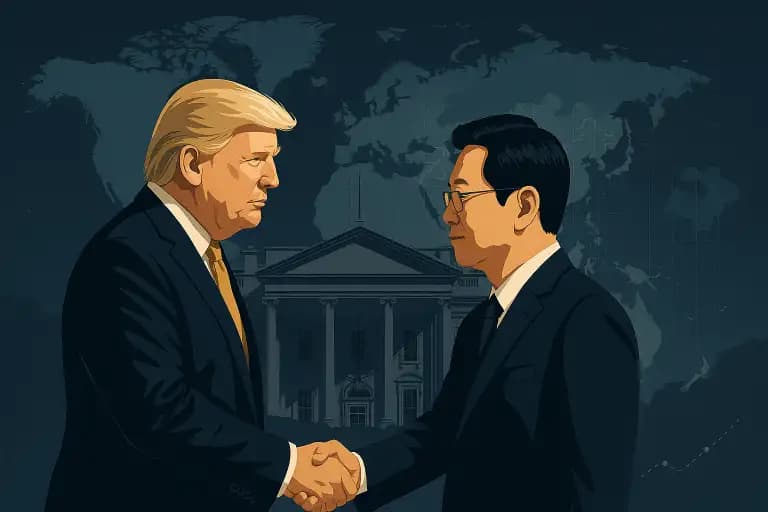
Economic deals, defense costs, and diplomacy converged as the Trump–Lee summit recast the U.S.–Korea alliance in an era of rivalry and change.

The August 23 Korea–Japan summit produced the first joint statement in seventeen years, focusing on economic security, technology cooperation, and supply chain resilience while avoiding politically sensitive disputes.

Korea’s $19B nuclear contract in the Czech Republic is hailed as a milestone. Yet behind the victory lies a settlement that ties future exports to U.S. royalties and oversight, raising questions about sovereignty and profitability.
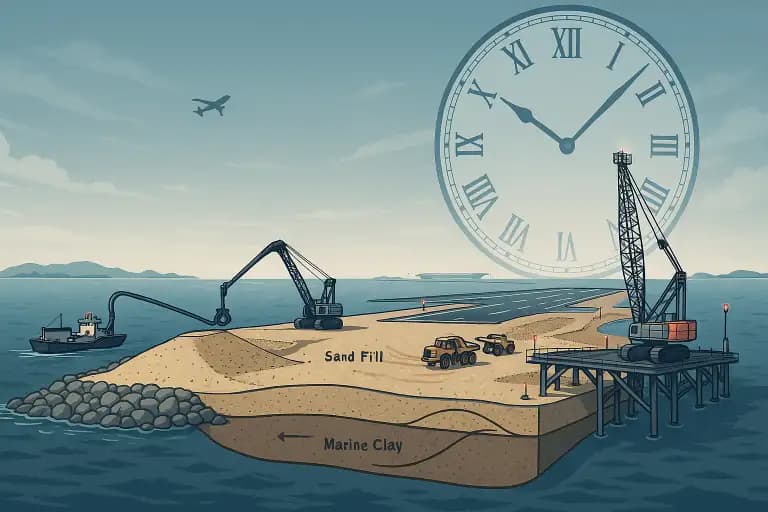
Building a giant airport on the sea—politics may be a bigger challenge than the engineering. At the crossroads of past failures and successes, Gadeokdo’s fate is taking shape.
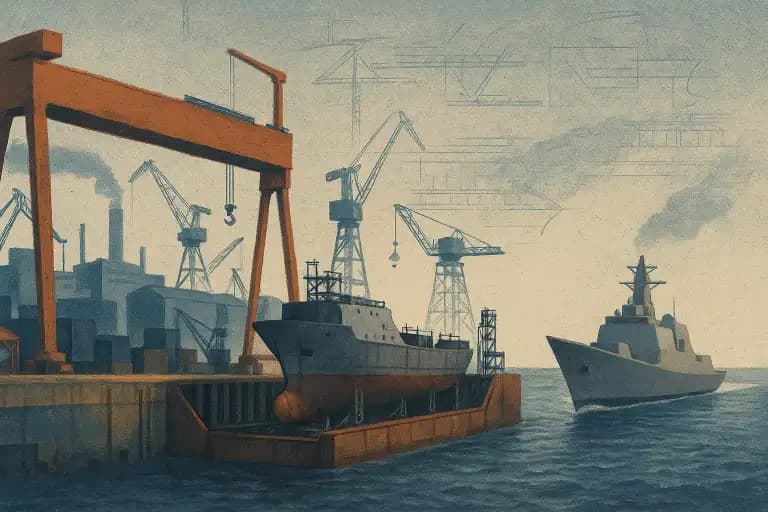
As U.S. shipbuilding falters under protectionist laws and naval strain, Korean capital fills the void. But with steel still behind a 50% wall, the alliance may be legal—but not yet equal.
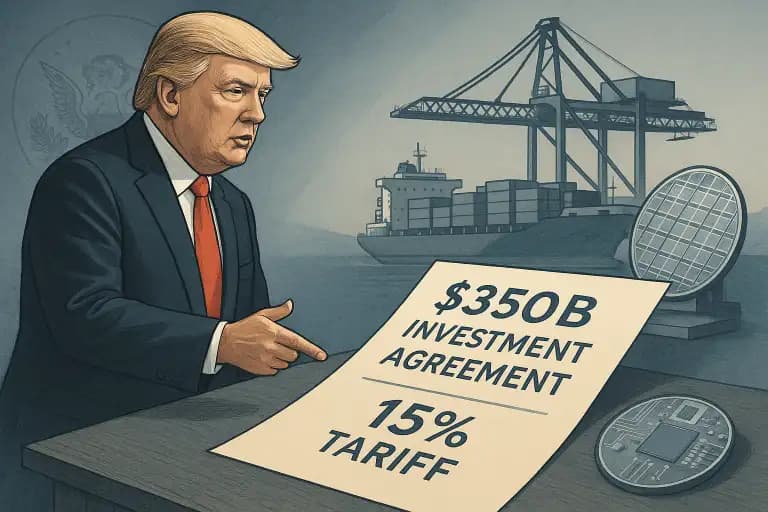
South Korea and the United States have introduced a 15% reciprocal tariff regime, replacing a planned 25% duty on Korean goods.
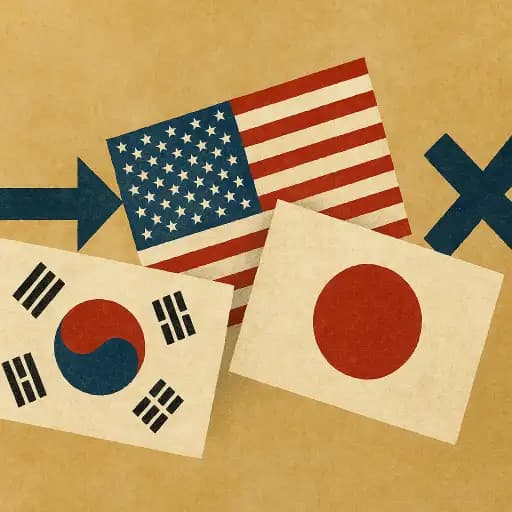
President Trump’s revived push for sweeping tariffs and increased defense cost-sharing has placed U.S. alliances in Asia back under pressure.
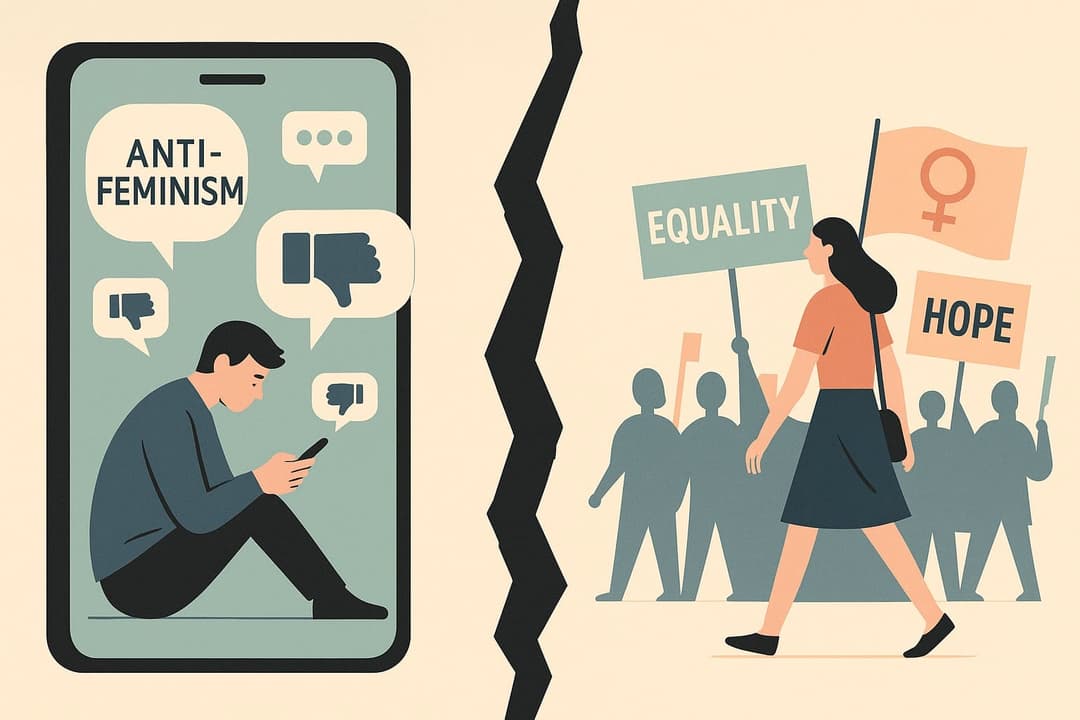
In South Korea, the gender divide among Gen Z voters has become a central axis of political life. What other democracies are facing as a drift, Korea is living as a rupture—one amplified by grievance politics and a radicalizing digital ecosystem.
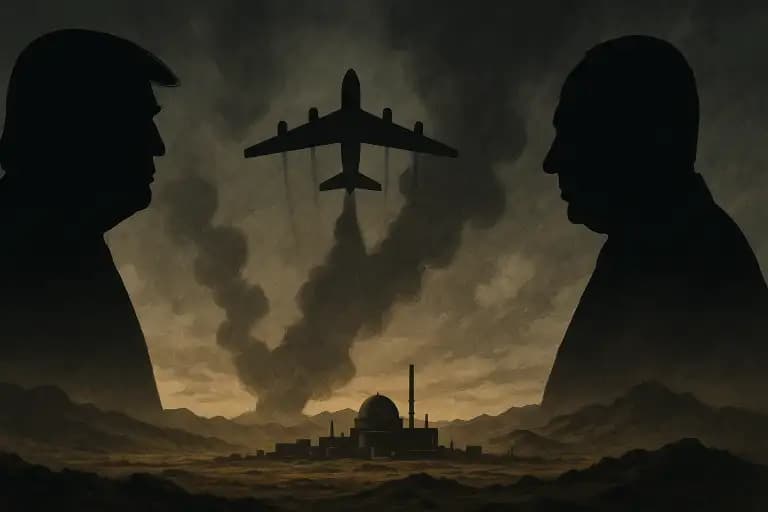
In June 2025, the United States and Israel launched coordinated airstrikes against Iran’s nuclear infrastructure—justified as preemptive defense, executed without UN sanction.
Search within Politics or the wider site.