Reporting, analysis, and commentary on wellness from Breeze in Busan.
Cooling your rice, pasta, or bread may do more than change the texture—it can transform the starch into a gut-friendly, slow-digesting compound called resistant starch. New science and old traditions like toryeom and nurungji show us why.
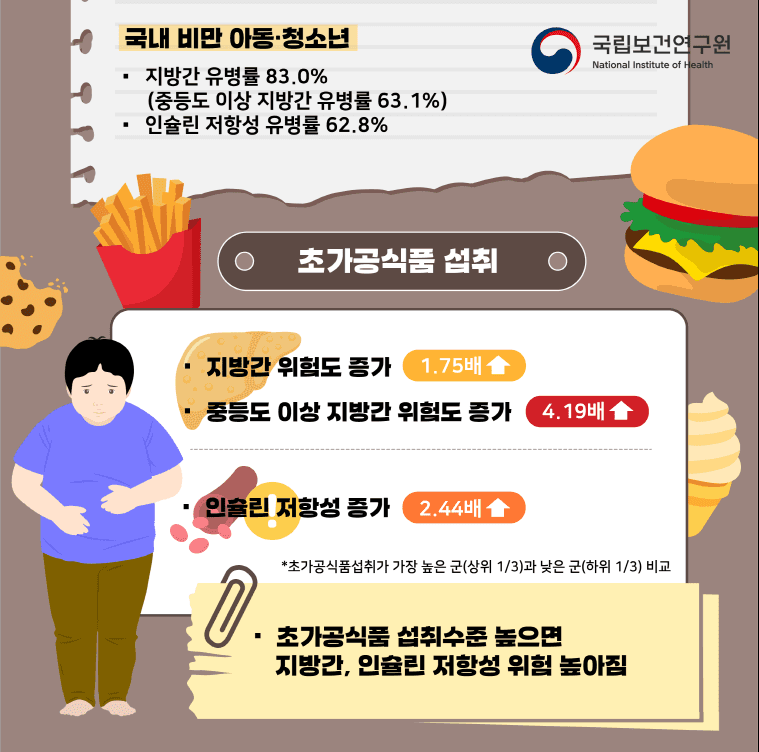
Seoul, South Korea – As diets increasingly shift towards convenience-driven options, a new study from the Korea Disease Control and Prevention Agency (KDCA) sounds an urgent alarm: ultra-processed foods (UPFs) are taking a toll on the health of South Korea's youth, especially those struggling with obesity. This research, spearheaded by the National Institute of Health (NIH) within the KDCA, reveals a concerning link between high UPF consumption and an increased risk of metabolic disorders, inclu
South Korea faces a growing public health challenge: it has one of the highest rates of stomach cancer globally. While this disease has many contributing factors, one of the most significant is the country’s traditional diet, which is rich in salt-heavy, fermented foods like kimchi, soybean pastes, and pickled vegetables. Although these foods hold cultural significance, their high sodium content has been linked to a greater risk of stomach cancer. However, this health crisis isn’t driven by die
As couples spend time together, they inevitably begin to influence each other’s habits, tastes, and even emotional patterns. But could sharing meals over time also lead to a deeper, more subtle form of influence—on their brain function, mood, and overall health? According to recent research in neuroscience, nutrition, and the gut-brain axis, the answer may be yes. The concept that food influences the brain is not new, but research into the gut-brain axis—the communication system between the gut