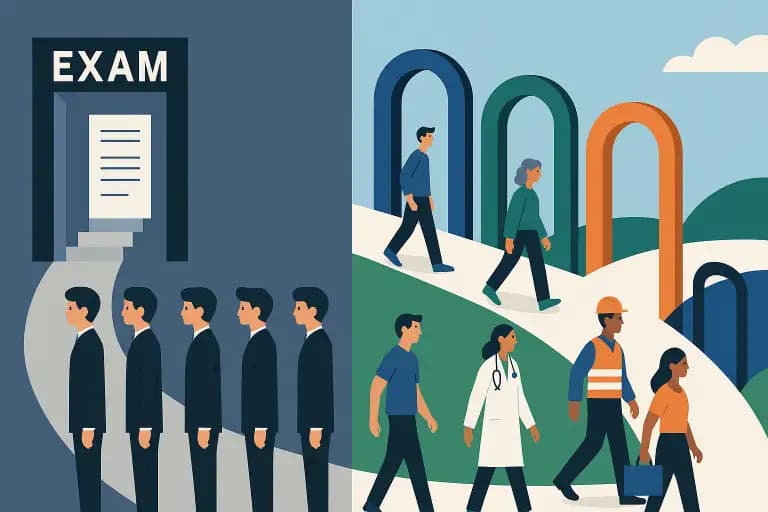
Korea’s Judges, Prosecutors, and Civil Servants: Why Exam Systems Must Change
Korea’s public sector still relies on exam-based elitism to recruit judges, prosecutors, and officials. Reform is needed for democracy and the AI era.
Reporting and analysis on South Korea’s national affairs, government, elections, policy, and the broader forces shaping public life.
About this section
Coverage of Korean public affairs, institutions, and national developments, including their consequences for Busan and the wider policy agenda.
Korea’s public sector still relies on exam-based elitism to recruit judges, prosecutors, and officials. Reform is needed for democracy and the AI era.
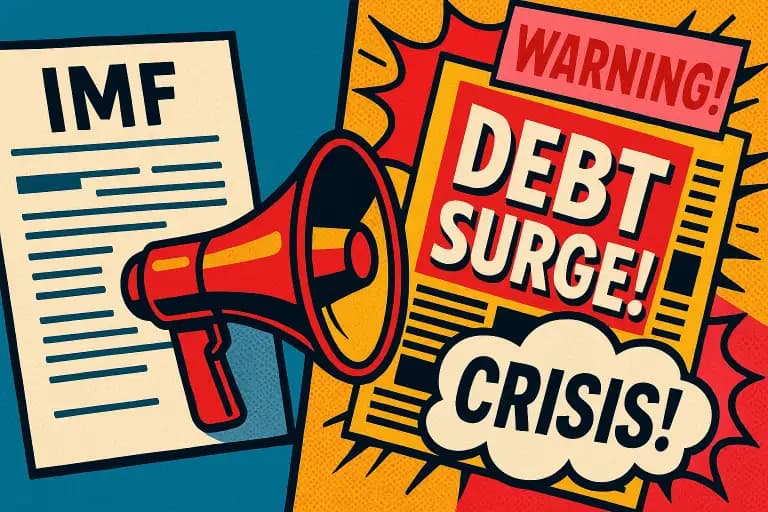
The IMF’s 2025 Article IV consultation judged Korea’s short-term fiscal policy as appropriate and urged medium-term reforms. Yet one major newspaper reframed the report as a debt crisis warning, importing figures and thresholds the IMF never used.

A concept coined in the 2010s to rebrand middle age as adventurous has, by 2025, become shorthand for privilege and hypocrisy—illustrating how cultural capital erodes across generations.

Split oversight and shifting budgets leave cooperatives and village companies vulnerable, highlighting the need for procurement reform.
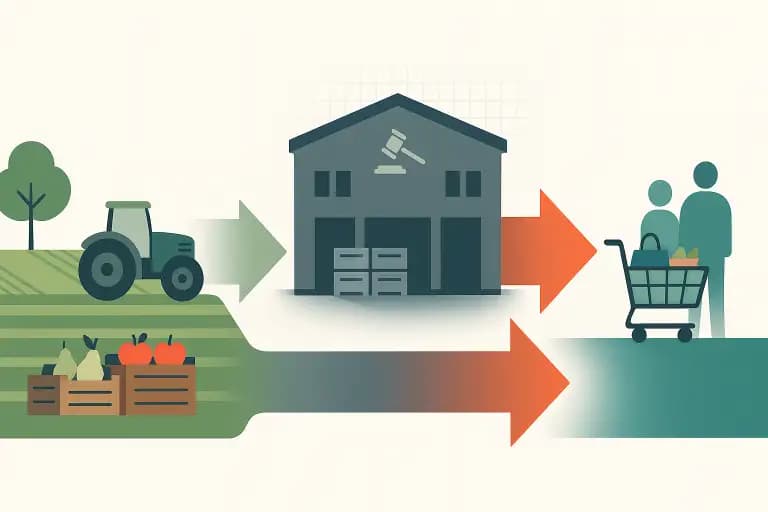
Since the 1980s, public wholesale markets like Garak have shaped fruit distribution in Korea. Decades later, five corporations control most transactions, operating under licenses rarely challenged.

International comparisons show Korea leading regional price charts as the market lacks low cost supermarket anchors.

The 2025 Lotte Card breach, the company’s third major exposure in fifteen years, reveals how Korean financial institutions remain trapped in a cycle of weak enforcement, delayed detection, and eroding consumer trust.

Korea is moving to legalize tattooing under a strict public health framework, introducing licensing, safety rules, and oversight after decades in the shadows.

Smartphone ownership among South Koreans over 65 is among the highest in the world. But heavy reliance on YouTube and KakaoTalk has left seniors vulnerable to misinformation, fueling political polarization and intergenerational tensions.
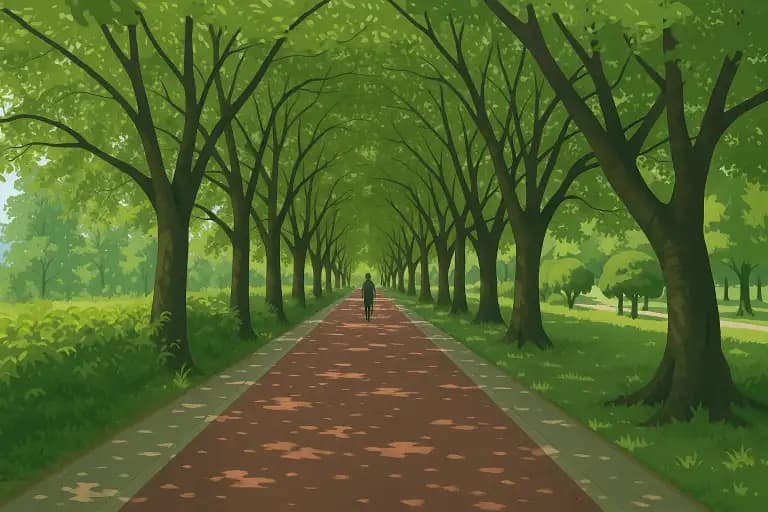
In August heat, even a short walk can feel punishing. Yet many of Korea’s new towns offer little shade. As climate change stretches summers and intensifies heat, the simple act of walking demands a new vision of urban planning.

How Korea’s teens are being shaped by short-form feeds, hate memes, and algorithms—impacting focus, empathy, and social attitudes.
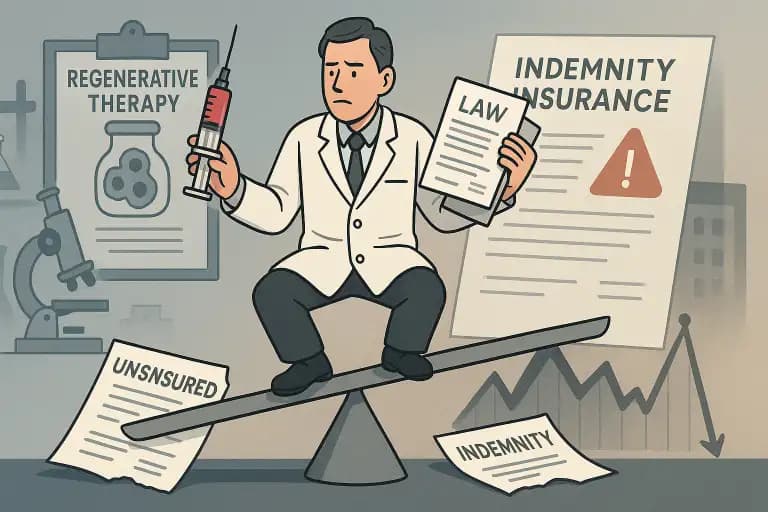
A 2024 revision of Korea's regenerative medicine law widened access to experimental treatments, but left critical oversight structures incomplete — exposing both patients and insurers to risk.
Search within Korea or the wider site.