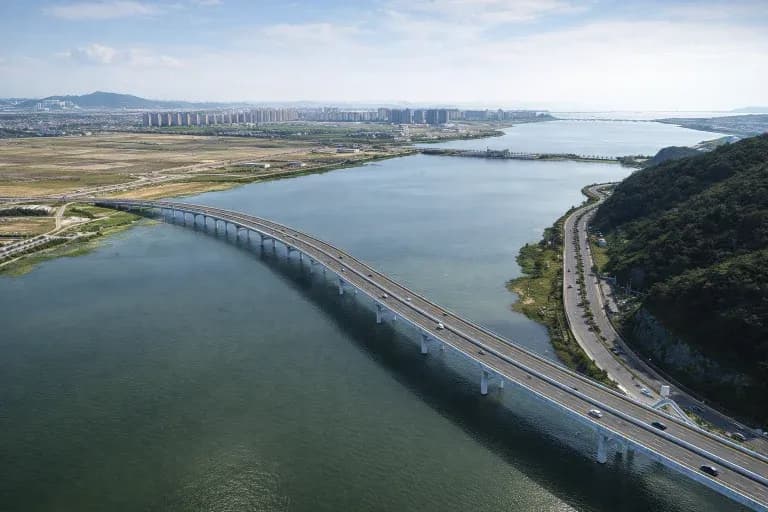
Busan Reinforces West–East Transport Spine with New River Crossings and Tunnel Plan
Jangnakdaegyo launch, Eomgungdaegyo construction and the proposed Seunghak Tunnel consolidate a corridor shaped as much by geography as by policy.
Busan news, in-depth reporting, and editorial insights covering the city’s politics, economy, development, institutions, and social change.
About this section
Coverage of Busan's politics, economy, civic institutions, and urban change, with local developments placed in their wider context.
Jangnakdaegyo launch, Eomgungdaegyo construction and the proposed Seunghak Tunnel consolidate a corridor shaped as much by geography as by policy.
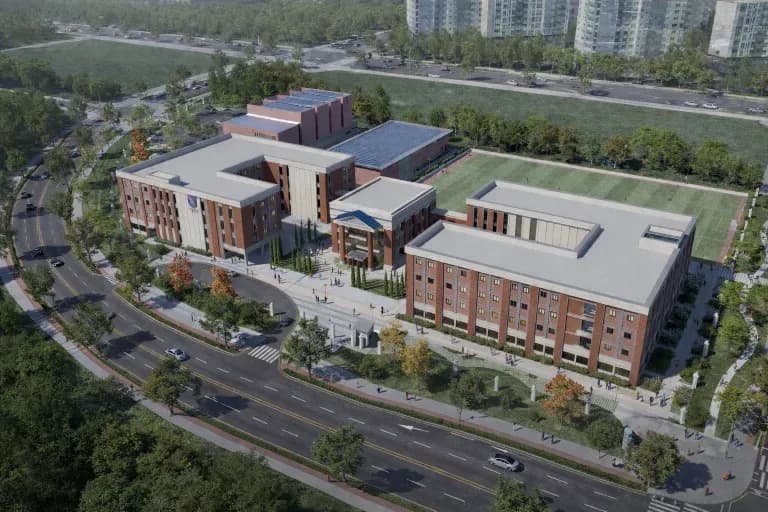
The Royal Russell International School project moves ahead with public backing, positioning Busan as an early investor in demand that has yet to fully materialize.

A structural audit into how Busan’s new visa incentives prioritize university solvency over industrial competency, transforming regional campuses into residency brokers.
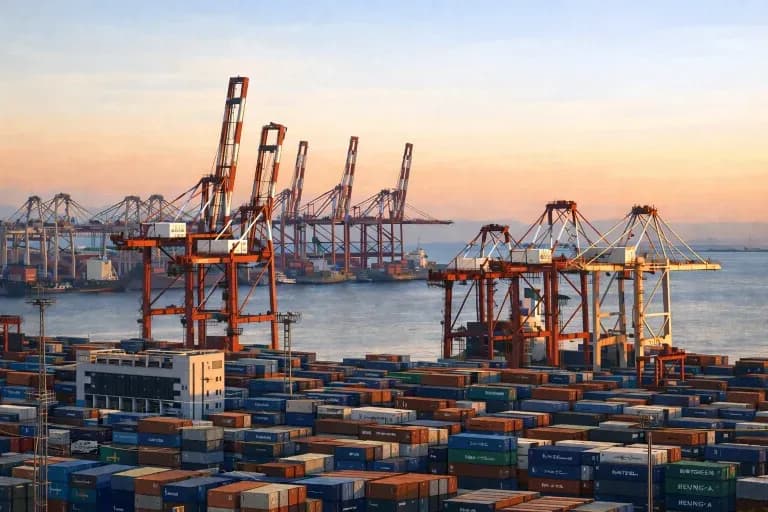
Busan added 20,000 jobs in January from a year earlier. But manufacturing and construction shed 43,000 jobs combined, while gains concentrated in service categories and shorter-hour work.

Busan has become efficient at recruiting international students, yet increasingly ineffective at keeping them. As dropout rates climb across regional universities, the city continues to fund internationalization as a branding exercise rather than a system of governance.
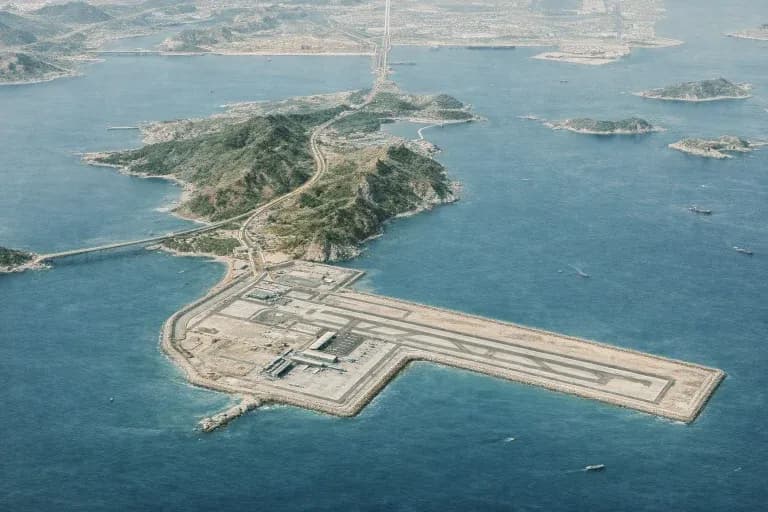
Turnkey contracting promises decisiveness at Gadeokdo New Airport. Offshore ground conditions demand patience. The distance between the two defines the project’s central risk.

Large investment figures now function as political signals, not as reliable indicators of employment impact.
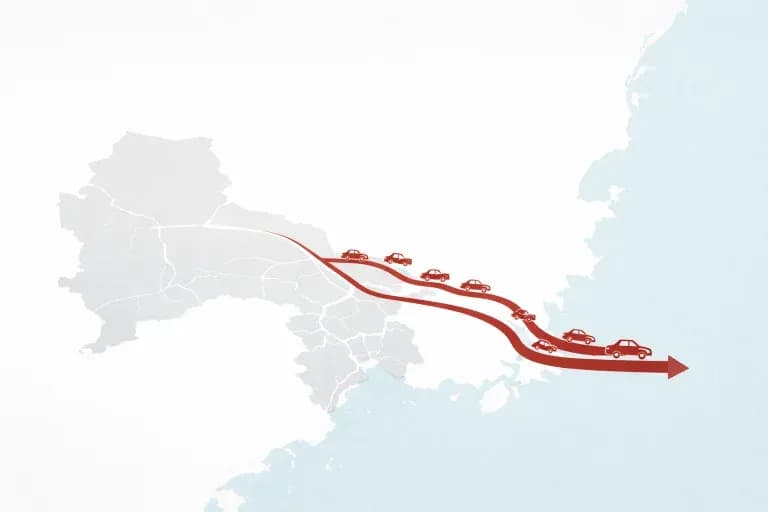
By lowering the time and psychological cost of driving, transport investments in Busan have reinforced vehicle dependence rather than easing congestion.

Busan City’s new foreign resident portal uses AI-generated human imagery on official guidance pages without disclosure, highlighting a regulatory grey zone as South Korea’s AI Basic Act takes effect.
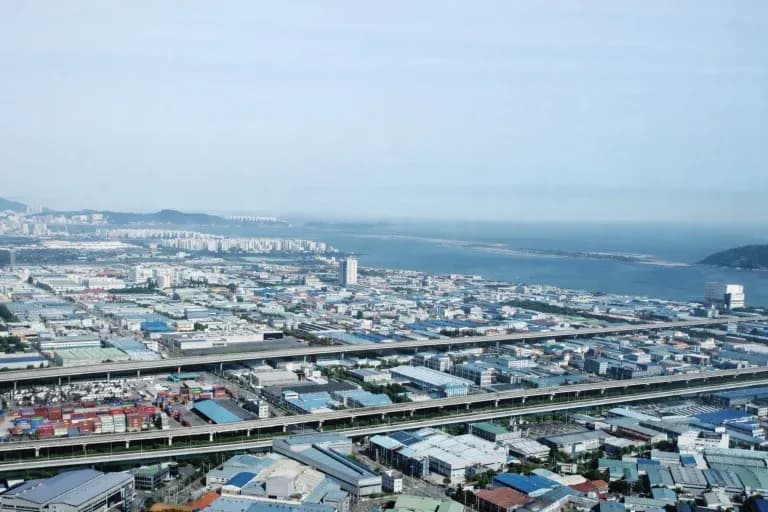
An access highway breaks ground on a fixed timeline while the offshore airport project stalls amid failed bids and unresolved risk.
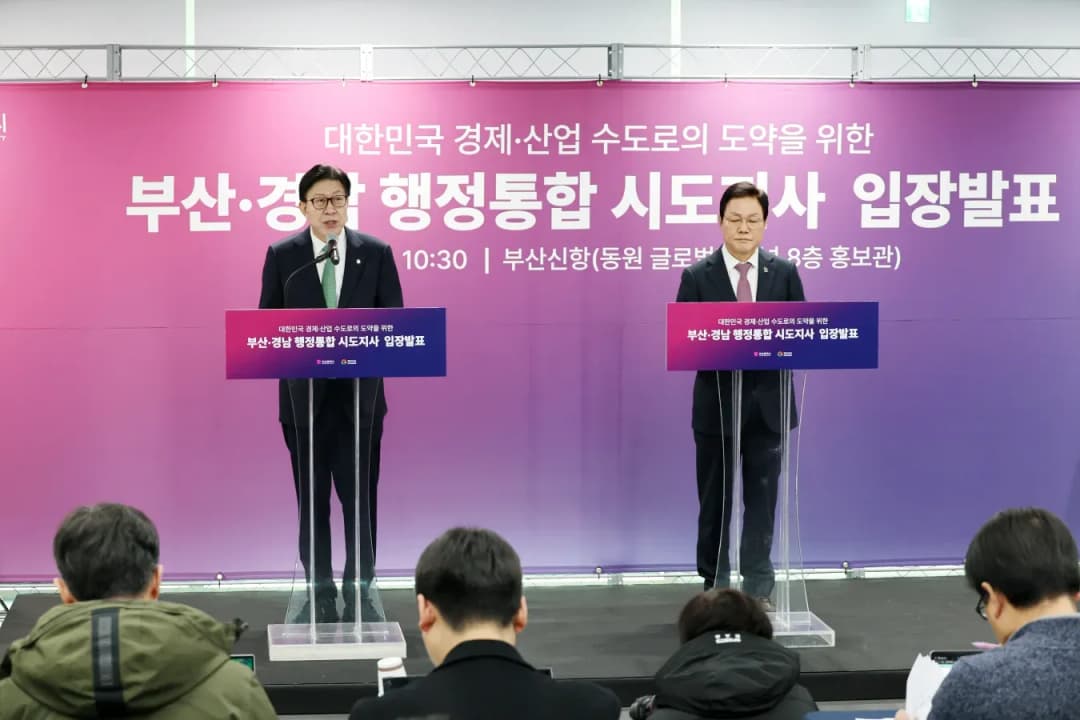
As Seoul pushes fast-track consolidation with financial incentives, Busan and Gyeongnam insist on referendums and statutory guarantees, exposing a deeper conflict over power, timing, and political risk.
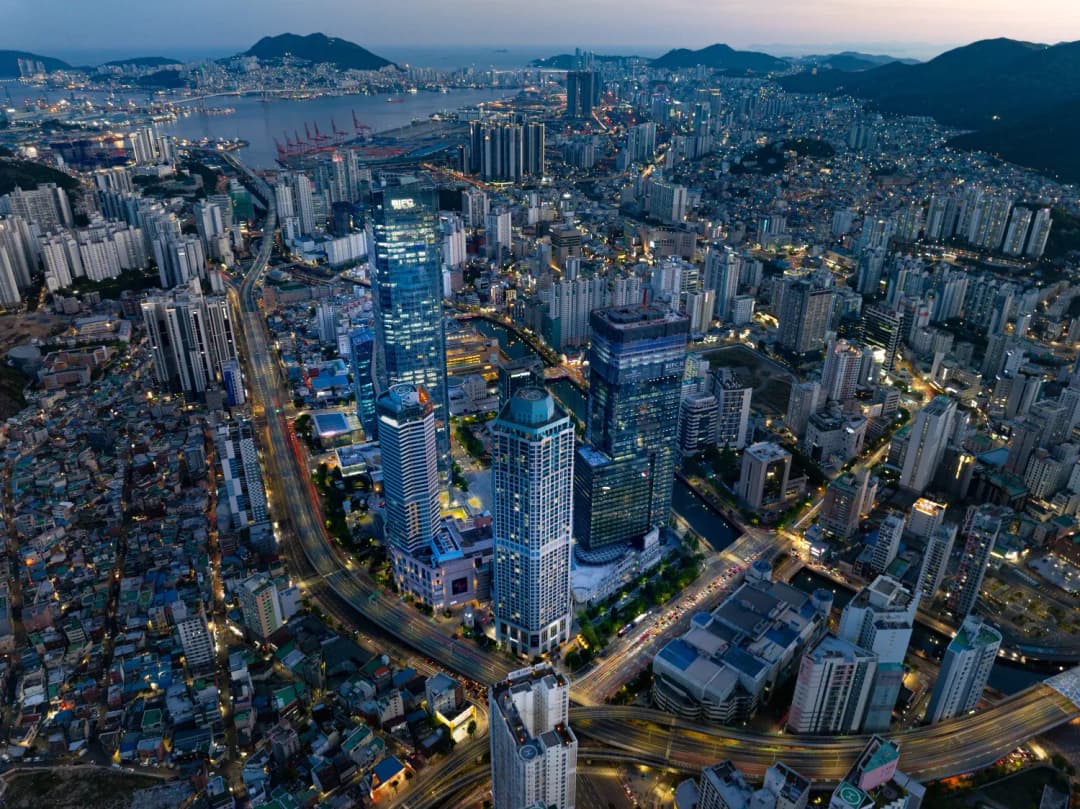
The widening gap between Seoul and Busan is not a temporary price divergence, but the outcome of two housing markets that now operate under different structural logics.
Search within Busan or the wider site.