Busan Is Aging Faster—Not Because People Live Longer
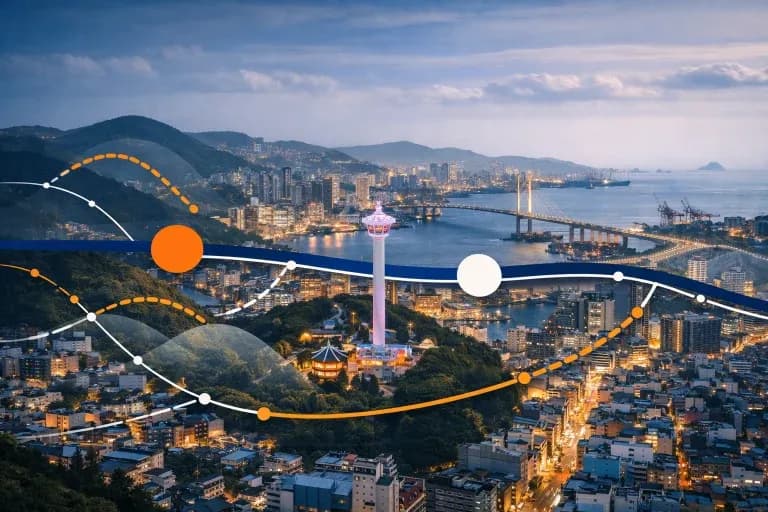
More than four-fifths of Busan’s population loss over six months came from residents aged 20 to 39, compressing years of demographic change into a single reporting cycle.
Busan news, in-depth reporting, and editorial insights covering the city’s politics, economy, development, institutions, and social change.
Reporting and analysis from Breeze in Busan
Desk Focus
This desk tracks Busan's politics, economy, civic institutions, and urban change, while connecting local developments to the wider newsroom file.

More than four-fifths of Busan’s population loss over six months came from residents aged 20 to 39, compressing years of demographic change into a single reporting cycle.

Government AI systems do not merely assist work; they issue authoritative signals that shape rights, obligations, and trust.

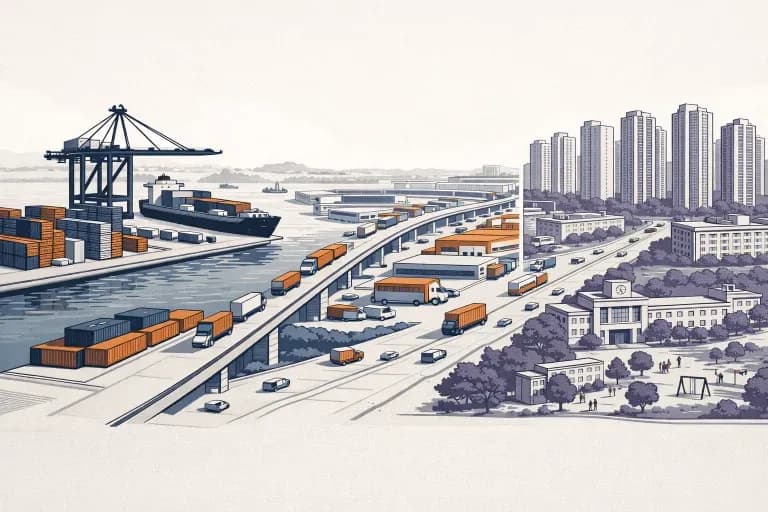
Transit access improved along Busan’s main corridors, but adjacent redevelopment failed to translate those gains into stronger street-level conditions.

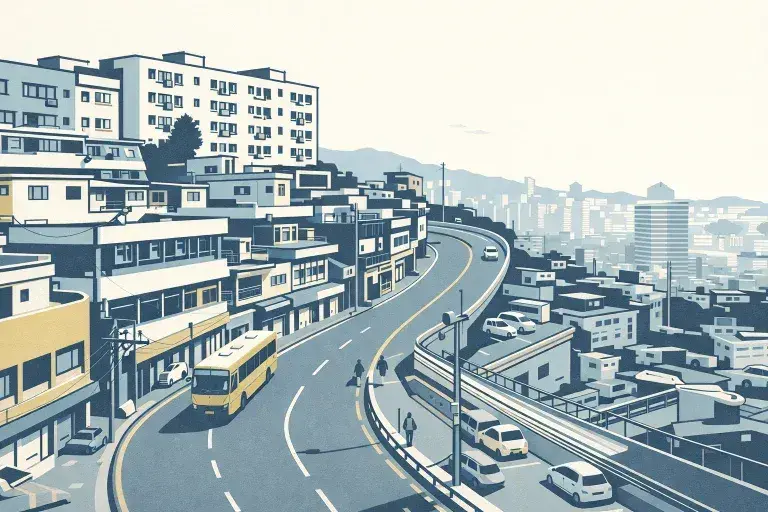
For years, Busan has tried to revive its old hillside districts with small lifts, monorails, and planning models borrowed from flat cities. None of them have worked. The terrain—steep, fragmented, and rapidly aging—keeps breaking the plans long before they reach the ground.

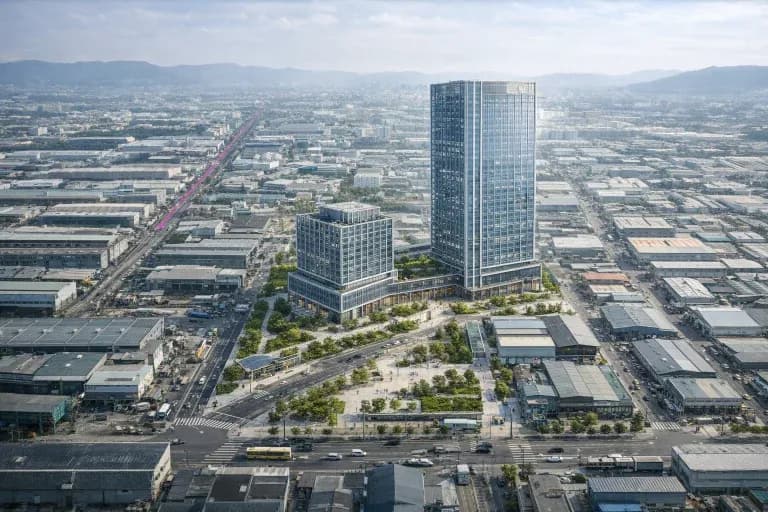
The temporary headquarters sit between the station corridor and a hillside district marked by steep terrain, aging housing and long-standing redevelopment constraints.

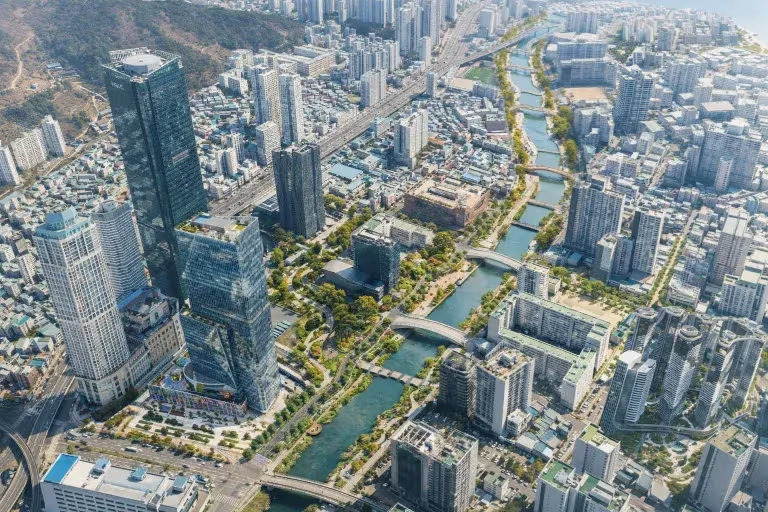
Visitor growth has surged past 3 million, yet population loss, rising vacancy and weakening urban life reveal a deeper challenge.

Busan produces far more electricity than it uses, yet less than one terawatt-hour comes from renewable sources. Physical limits, stalled offshore plans and rising industrial demand leave Busan with no large-scale path to expand clean power.

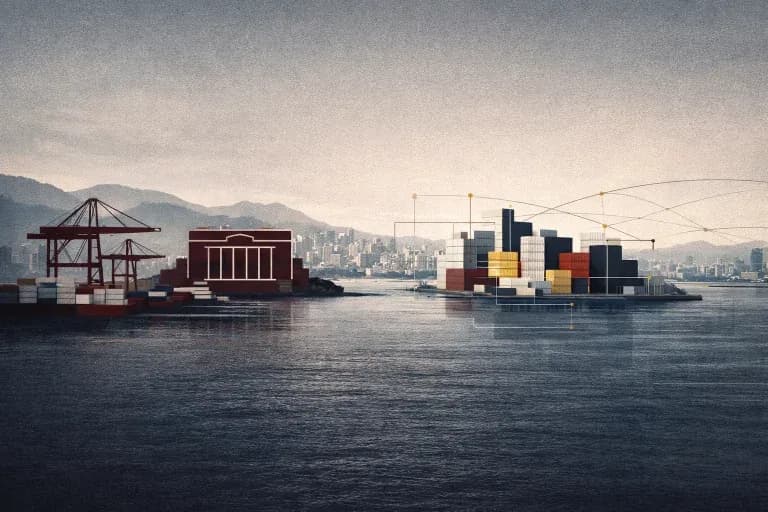
The city’s 52-kilometer coastal belt connects seven bridges from Gadeok to Haeundae. The view is unified, but toll roads, freight traffic and limited walkways still shape how residents move along the shoreline.

Weak soils, deep water and coastal storms continue to complicate Gadeokdo Airport’s development, raising long-term engineering and financial questions for South Korea.

Suyeong Bay’s long journey from civic maritime district to high-rise enclave reveals how incremental decisions, not grand plans, are reshaping Busan’s urban economy.

Polestar’s financial constraints, narrowing U.S. product lineup, and exposure to evolving policy regulations make Busan a necessary adjustment rather than an expansionary move.

Busan presents a striking contradiction: a city saturated with innovation programs, workation zones and startup hubs, yet steadily losing the people and industries that once defined its strength. Its quiet unravelling reveals the deeper limits of South Korea’s activity-driven regional policy.
Search within Busan News or the wider site.