Why Busan Can’t Wait: Maritime Strategy Demands Action, Not Rhetoric
Relocating the Ministry of Oceans and Fisheries to Busan has long been promised but never delivered. What’s holding it back, and what would it take to finally make it happen?
Busan news, in-depth reporting, and editorial insights covering the city’s politics, economy, development, institutions, and social change.
Reporting and analysis from Breeze in Busan
Desk Focus
This desk tracks Busan's politics, economy, civic institutions, and urban change, while connecting local developments to the wider newsroom file.

Relocating the Ministry of Oceans and Fisheries to Busan has long been promised but never delivered. What’s holding it back, and what would it take to finally make it happen?

South Korea’s unsold housing inventory has reached a post-2013 high, with regional cities like Busan seeing rising vacancy rates. Experts warn that government interventions may prove insufficient without deeper demand recovery.

Eco Delta City and a wave of digital infrastructure projects are redefining Busan’s west coast. But behind the “smart” label lies a complex energy puzzle: centralized power, minimal local generation, and limited renewable deployment.

Busan’s expanding BRT network has improved travel times, but its most lasting achievement may be how it redefines the role of streets. As the city grows and ages, ground-level, pedestrian-friendly mobility is no longer optional — it’s foundational.

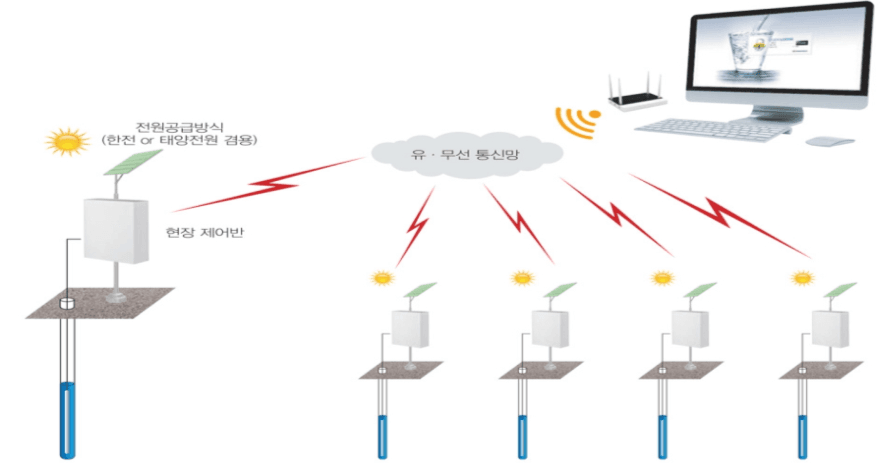
As Busan accelerates urban development, its underground remains unmapped, unmanaged, and dangerously opaque. A digital twin could transform that blind spot into a strategic asset for safety, planning, and public trust.

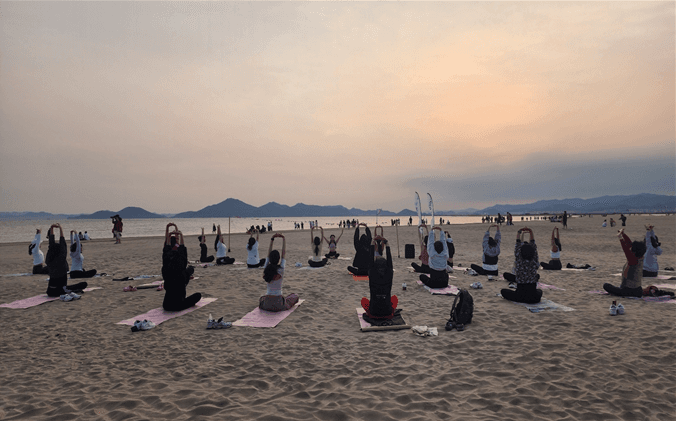
As Busan prepares to host the 2025 One Asia Festival, the city is betting on music and spectacle to reinvent its post-industrial identity and stake its claim as a global cultural hub.

Busan City has launched a new initiative to convert vacant homes into micro-dorms and public parks. But as critics point out, meaningful urban change requires more than scattered projects — it demands a systemic approach to life, work, and community.

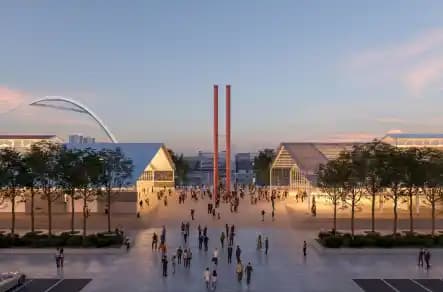
As the Sajik Baseball Stadium redevelopment stalls, a bold alternative is reemerging: a world-class waterfront stadium in North Port. But this isn’t just about baseball — it’s about reimagining Busan’s urban identity, economy, and global image.

Without shared vision, joint governance, or coordinated economic policy, the Busan–Ulsan–Gyeongnam bloc risks becoming a symbol of what regionalism should avoid: scale without strategy.

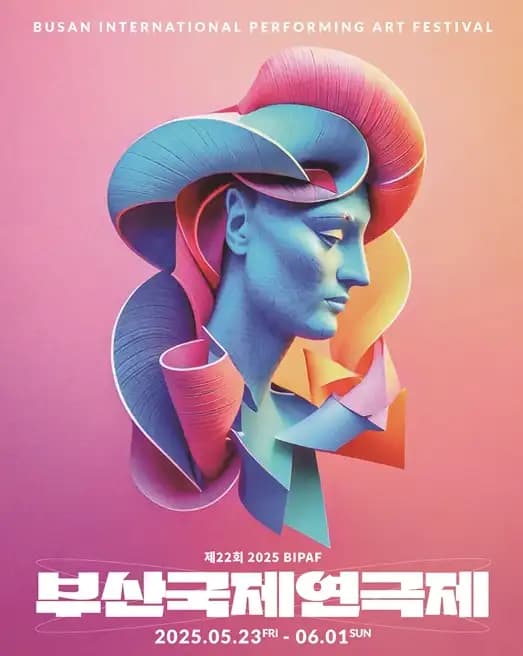
Busan has rebranded itself as a global, good-looking city—complete with AI-generated images, sleek slogans, and media-friendly urban design. But behind the aesthetics lies a growing silence. In its pursuit of visibility, is the city losing its voice?

A growing number of sinkholes near the Hadan–Sasang subway construction site are raising concerns about Busan’s broader underground transit strategy. As new projects like the Hadan–Noksan line and BuTX move forward, questions mount.

In its rush to modernize, Busan has developed a habit of building not toward its past, but around it. From Haeundae in the 1990s to Gangseo today, the city has preferred expansion over reinvestment—choosing new land over old neighborhoods, and visibility over inclusion.
Search within Busan News or the wider site.