
Busan’s Arts Education Crisis and the Collapse of Private Universities
Busan’s arts education system is facing a crisis, compounded by the collapse of private universities.
Busan news, in-depth reporting, and editorial insights covering the city’s politics, economy, development, institutions, and social change.
About this section
Coverage of Busan's politics, economy, civic institutions, and urban change, with local developments placed in their wider context.
Busan’s arts education system is facing a crisis, compounded by the collapse of private universities.

With high failure rates in youth-led startups and limited opportunities in traditional industries, Busan’s youth need more than just a chance to open a business.
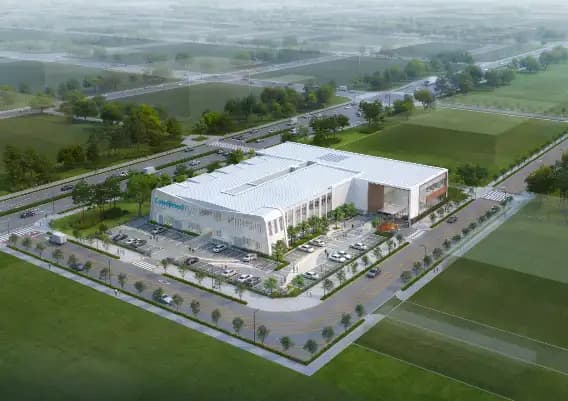
Cowellmedi has opened a new 6,917㎡ smart factory in Busan's Eco Delta City, marking a key step in the city's biohealth expansion and aligning with its bid to host the National Dental Research Institute (NDRI).

Gangseo District became Korea’s first local government to deploy ChatGPT across all departments. But without audit logs, domestic servers, or enforceable oversight, its bold digital leap reveals a deep governance gap.

Daewoo Pharm to invest ₩50B in Busan to expand eye drop production and boost local biotech capacity.

Can On-Demand Transit Solve Busan’s New Town Puzzle? Tabara Rolls Out in Gangseo and Gijang.

The South Korean government's decision to relocate the Ministry of Oceans and Fisheries to Busan ignites a debate over the future of regional development.

Busan drivers face Korea’s highest toll rates. With two tunnels set to go toll-free, pressure mounts to reassess 30-year private road contracts.
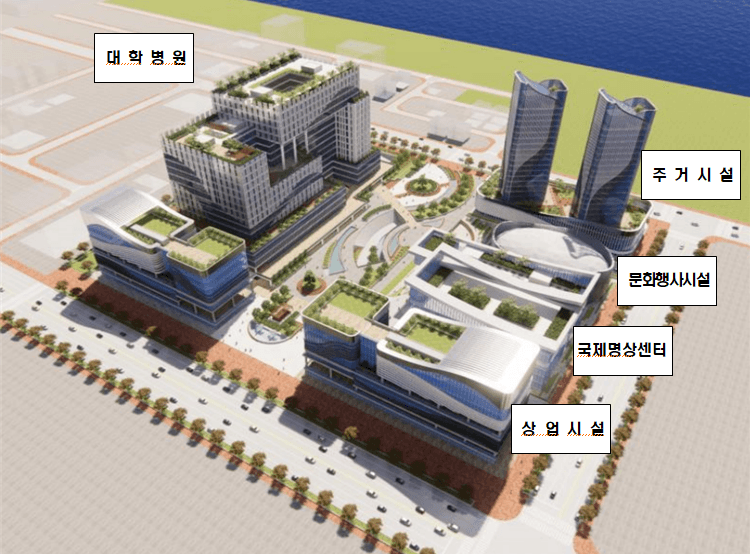
Busan’s Myeongji Medical Town project, set to open in 2033, will include a 500-bed hospital, residential spaces, and a wellness center.
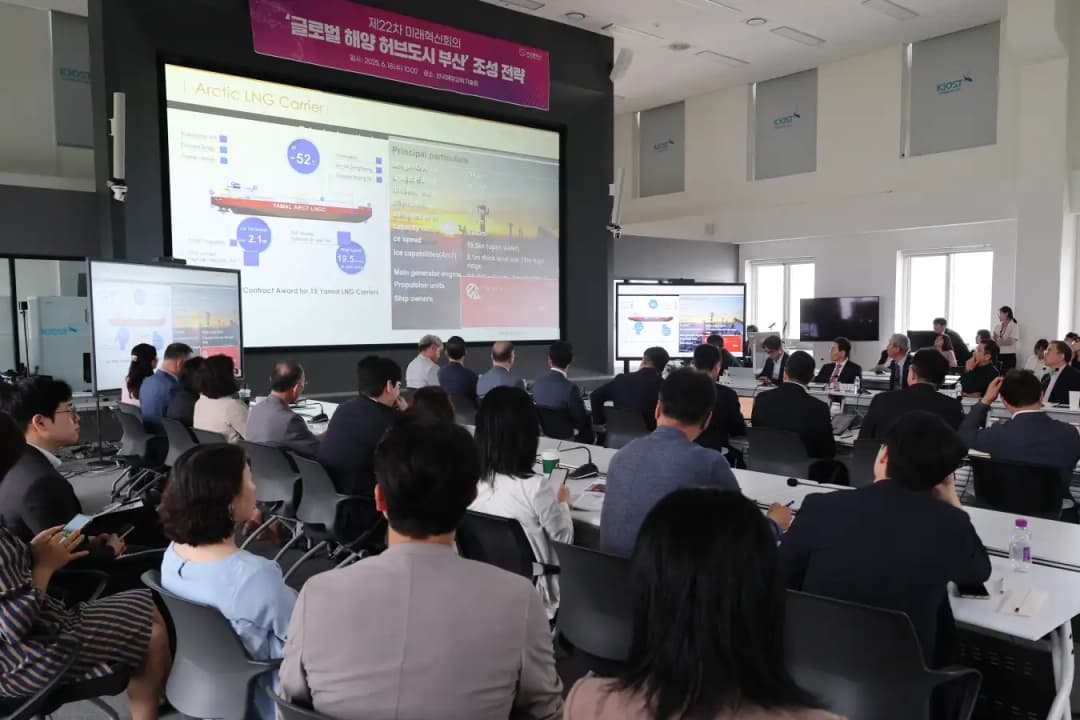
Busan’s roadmap to maritime leadership includes relocating key maritime institutions and advancing smart port technology, but real progress will depend on implementation.
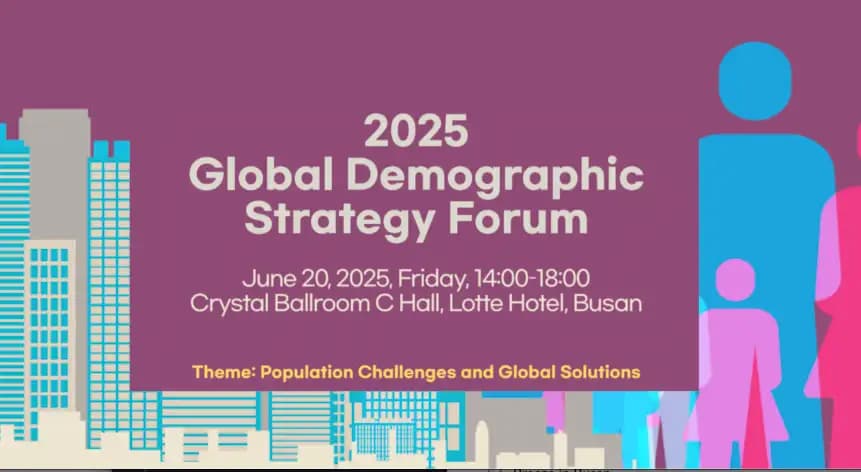
The 2025 Global Demographic Strategy Forum in Busan on June 20 will gather global experts to discuss innovative strategies for urban revitalization and tackling population decline.
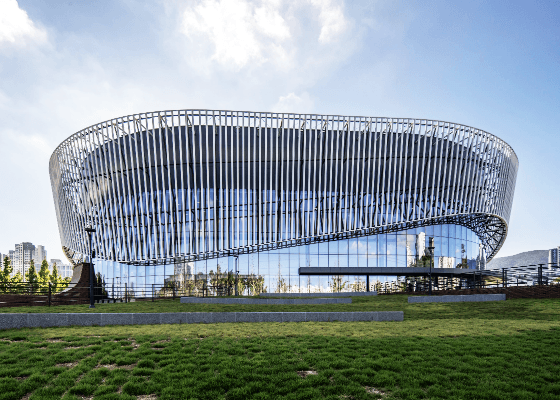
More than an architectural feat, the Busan Concert Hall signals the city’s most ambitious step yet toward cultural decentralization — but the real test will be whether it can fill its seats year after year.
Search within Busan or the wider site.