South Korean Semiconductor Industry Caught in Crossfire Between US and China Amid Supply Adjustments
The South Korean semiconductor industry is increasingly concerned about the potential fallout from the escalating US-China semiconductor dispute. As the industry grapples with production cuts and falling prices, it now finds itself stuck in the middle of a geopolitical tug-of-war. According to recent reports, the US government has requested that South Korea refrain from exporting semiconductor replacement products to China ahead of the US-South Korea summit. In response, Chinese state-run media

The South Korean semiconductor industry is increasingly concerned about the potential fallout from the escalating US-China semiconductor dispute. As the industry grapples with production cuts and falling prices, it now finds itself stuck in the middle of a geopolitical tug-of-war.
According to recent reports, the US government has requested that South Korea refrain from exporting semiconductor replacement products to China ahead of the US-South Korea summit. In response, Chinese state-run media have criticized South Korea, stating that the country has become a "consumable" for the US. This situation has left South Korean semiconductor companies in a difficult position.
The ongoing tensions between the US and China have led to recent security reviews of Micron, a US memory semiconductor company, by Chinese authorities. Industry insiders interpret these reviews as retaliatory measures in response to the US-China dispute.
Memory semiconductors are often generic products, meaning that if sales of Micron products are banned as a result of the security reviews, competing companies such as Samsung Electronics and SK Hynix could potentially fill the gap in product supply. However, it appears that the US is pressuring South Korean semiconductor firms to prevent China from sanctioning Micron.
This geopolitical conflict adds another layer of complexity to the South Korean semiconductor industry's struggles. As previously reported, the industry has been dealing with falling trade indices, decreasing DRAM and NAND flash prices, and high inventory levels. Companies have been implementing supply adjustments, including production cuts by Samsung Electronics, in an effort to stabilize the market and expedite its recovery.
Now, the South Korean semiconductor industry must navigate not only the challenges posed by market conditions but also the increasingly fraught geopolitical landscape. With the US and China exerting pressure on South Korea, the future of the industry hangs in the balance, and its ultimate outcome remains uncertain.
Continue this reporting
Reporting on the same issue
Related coverage selected from the article's desk, topics and newsroom relationships.
 NewsSep 21, 2026
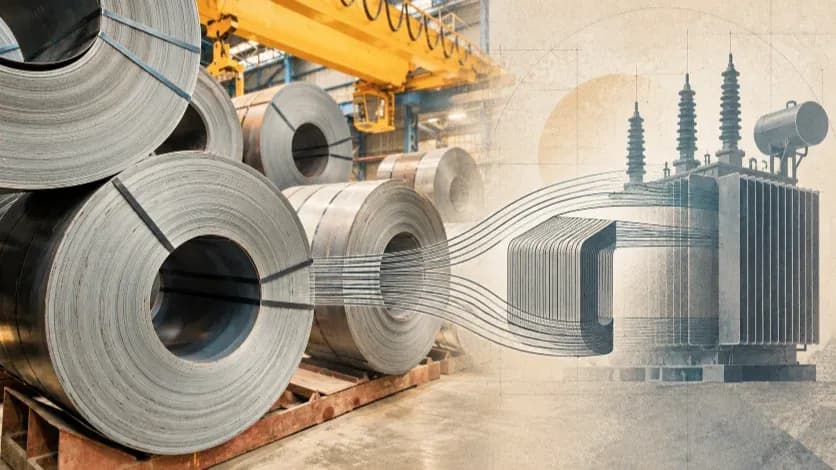
Europe’s Electrical-Steel Safeguard Now Reaches Inside the Transformer
A new EU safeguard follows electrical steel into certain finished transformer...
 NewsSep 14, 2026
Foreign Tourist Spending Is Reshaping Busan’s Nampo District
Foreign spending is making long-empty commercial space valuable again in Namp...
 NewsSep 11, 2026
Busan-Jinhae’s New Industrial Strategy Meets a Jobs Divide
As BJFEZ prepares to add AI, data and advanced energy to its industrial prior...
More from the author
More from this byline
Stay with the same line of reporting through more work from this byline.
 NewsSep 18, 2026
The Other AI Race Is for the Freedom to Change Course
 NewsSep 5, 2026
How a Political Appointment Becomes a Judgment of Character
Editorial Record
Corrections, sourcing notes and newsroom disclosures remain part of the published record. View Newsroom Notes →
Reader Signal
Community readWhat did this report leave you with?
Choose the signal that best reflects your reading. Select it again to remove it.
One response per article
No response selected
A moderated conversation about the reporting.
One-level replies and newsroom moderation keep the conversation anchored to this article.
Discussion Status
Open
Please sign in to join the discussion.
Newsletter
Weekly reporting and context from Busan and Korea.