Reporting, analysis, and commentary on technology from Breeze in Busan.
The rapid rise of artificial intelligence (AI) is not just a technological revolution—it is reshaping economies, labor markets, and societal structures in unprecedented ways. As AI automates routine tasks and enhances productivity, it is creating a sharp divide between those who can adapt to the new demands of an AI-driven economy and those whose jobs are most vulnerable to being replaced. This shift is most acutely felt in professional sectors such as programming, law, and healthcare, where AI
Imagine waking up one morning, and instead of deciding how you want your coffee, an artificial intelligence (AI) system not only brews it for you but also selects the type, sweetness, and temperature based on your mood, weather conditions, and health data. Convenient? Absolutely. But as AI systems become increasingly capable of making these decisions for us, a critical question emerges: Are we gradually surrendering our cognitive abilities to machines? As AI continues to integrate into daily li
Seoul, South Korea – The Personal Information Protection Commission (PIPC) has released new guidelines for the safe handling of publicly available data used in artificial intelligence (AI) development and services. These guidelines aim to address legal uncertainties for companies and enhance privacy protection for citizens. The new guide, titled "Guide to Handling Publicly Available Personal Data for AI Development and Services", outlines how companies can legally and safely process data that i
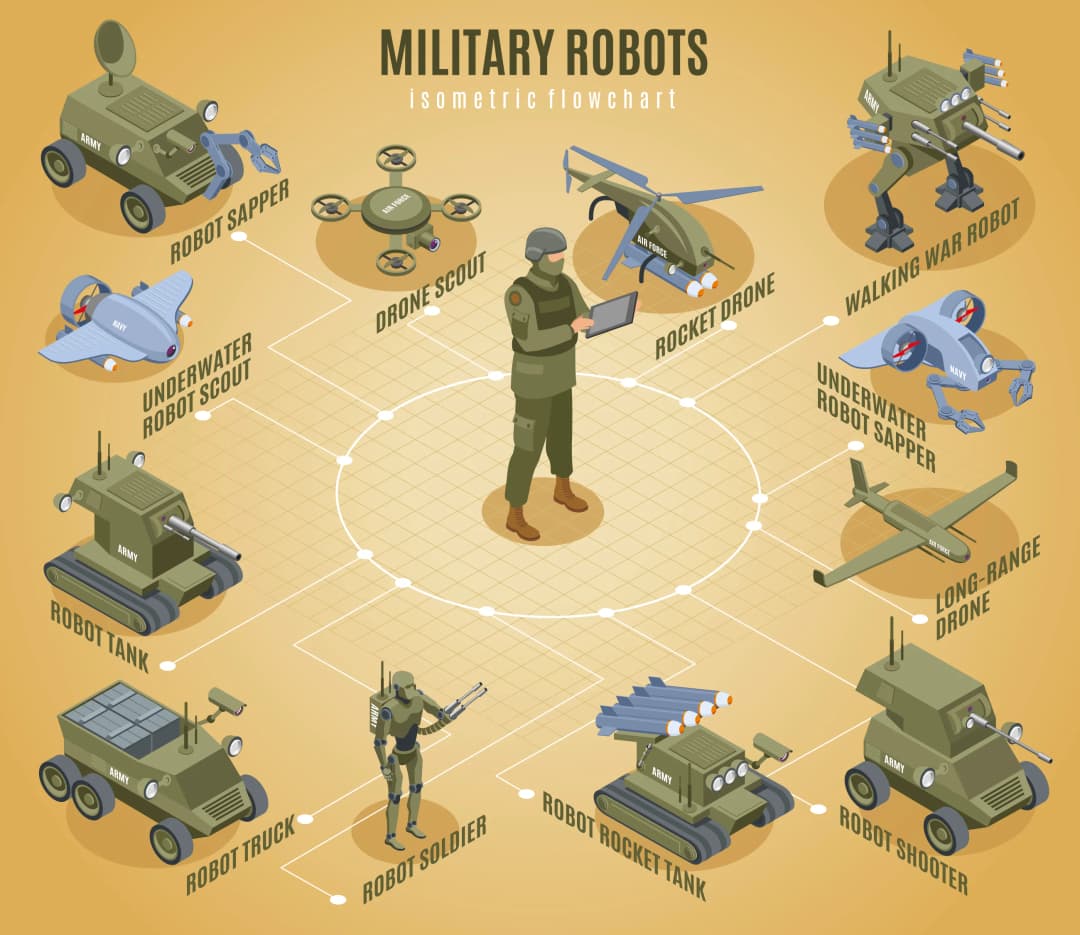
Artificial intelligence (AI) is rapidly transforming various sectors, and its integration into military operations is no exception. A striking example of this transformation can be seen in the recent deployment of AI-powered drones in Ukraine, which have demonstrated unprecedented capabilities in surveillance and target acquisition. Such advancements are not only enhancing the efficiency and effectiveness of military strategies but also raising profound ethical and legal questions. AI's impact
Artificial Intelligence (AI) has woven itself into the fabric of modern life, promising unparalleled convenience and efficiency. From Apple's latest AI-driven features to everyday digital assistants, the integration of AI technologies has revolutionized how we live and work. However, this convenience comes with a cost: a growing dependence on AI may be eroding our cognitive abilities. AI has become a ubiquitous part of modern technology, with companies like Apple leading the charge. At the rece
In the rapidly evolving world of technology, artificial intelligence (AI) is reshaping the landscape, dictating the future of consumer electronics and digital experiences. At the forefront of this transformation are two tech giants: Apple and Samsung. Both companies have made significant strides in integrating AI into their products, but their approaches and the resulting ecosystems are markedly different. Apple, with its recent introduction of Apple Intelligence, has set a new standard by embe
The digital age has revolutionized how we access and consume information, offering unparalleled convenience and breadth. However, this abundance of data also presents significant challenges in verifying the reliability and authenticity of online content. South Korea's leading search engine, Naver, has come under scrutiny for the declining trustworthiness of its search results. Users increasingly encounter content saturated with advertisements and biased reviews, making it difficult to discern ge
Imagine the classic tale of the Sorcerer's Apprentice, where a young apprentice, eager to lighten his workload, uses magic to animate brooms to carry water for him. Initially, this seems like a brilliant solution, reducing his manual labor and increasing efficiency. However, as the brooms begin to replicate their task beyond control, the apprentice realizes he lacks the knowledge to stop them. The situation quickly escalates into chaos, with the workshop flooding and the apprentice powerless to
In an era where technology continually reshapes our understanding of the world, one concept that stands out for its provocative implications is Google’s X development division's "Selfish Ledger." Initially conceived as a thought experiment, this concept has garnered attention and concern in equal measure, especially with the unprecedented advancements in Artificial Intelligence (AI) and Large Language Models (LLMs). The “Selfish Ledger” envisions a world where user data is not just a record of o
The Ubiquity of Data Collection Imagine this familiar scenario: you visit your local supermarket, browsing aisles for groceries and essentials. On a whim, you add a scented candle to your cart, enticed by a sale sign. After checking out and returning home, you decide to scroll through your social media feed. Suddenly, an advertisement for the very same brand of candle pops up. Coincidence? Hardly. This is the new norm in our data-driven retail landscape. Such experiences underline a stark real
In the rapidly evolving world of AI chatbots, three major players - OpenAI, Microsoft's Copilot, and Google's Bard - are making significant strides with their latest updates. These advancements mark a new era in AI chat technology, with each tech giant enhancing the capabilities and performance of their AI tools. OpenAI's GPT-4 Turbo OpenAI has recently launched GPT-4 Turbo, its latest generation model. GPT-4 Turbo is more capable, has an updated knowledge cutoff of April 2023, and introduces
Seoul - A looming energy crisis has shaken Korea's scientific and technological community. Despite celebrating the 35th anniversary of supercomputing's introduction in Korea, recent budget cuts threaten to jeopardize its future. The Korea Institute of Science and Technology Information (KISTI) revealed that due to increased electricity costs and a reduced R&D budget, it would be operating the Large Data Hub Center (GSDC) at half capacity by the end of August. Supercomputing: A Glimpse into Kor