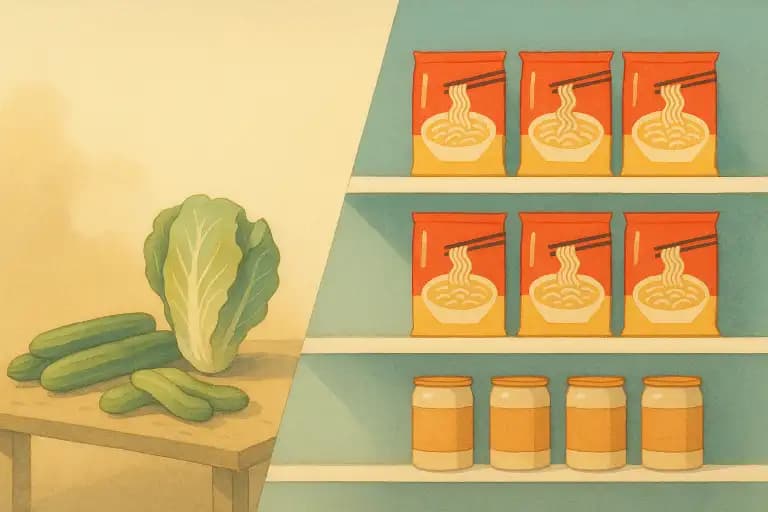
South Korea’s Fresh Food Is Slipping Out of Reach
As heatwaves and floods hit crops, fresh vegetables and fruit in Korea now cost more than ultra-processed alternatives—reshaping diets, widening health gaps, and challenging food security.
Reporting on climate, energy, sustainability, environmental policy, and the transitions reshaping cities, industries, and societies.
About this section
Reporting on climate risk, energy, resilience, environmental policy, and the long-term transitions reshaping Busan and Korea.
As heatwaves and floods hit crops, fresh vegetables and fruit in Korea now cost more than ultra-processed alternatives—reshaping diets, widening health gaps, and challenging food security.
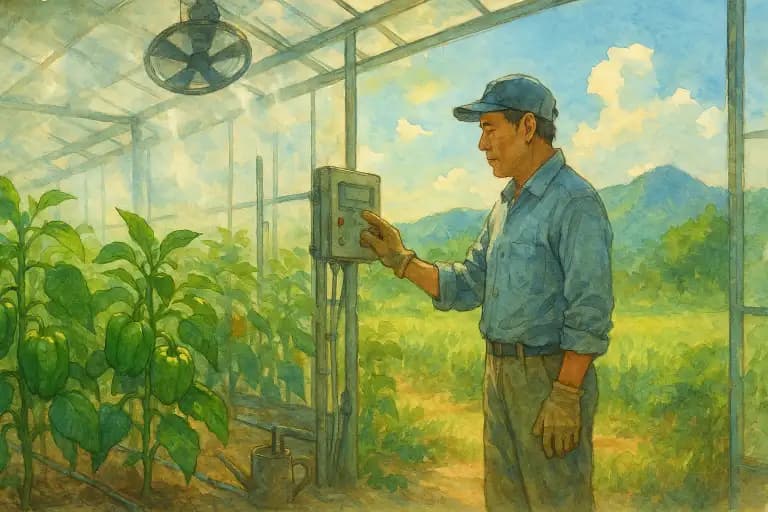
Smart farms promise steady harvests, but without renewable power, shared infrastructure, and sustainable business models, the technology may not withstand the very climate shocks it is meant to defeat.

Eco Delta City was marketed as South Korea’s next-generation urban innovation zone. What unfolded was something else entirely—soil contamination, missing utilities, and housing priced out of reach. Built by public agencies, developed for private gain.
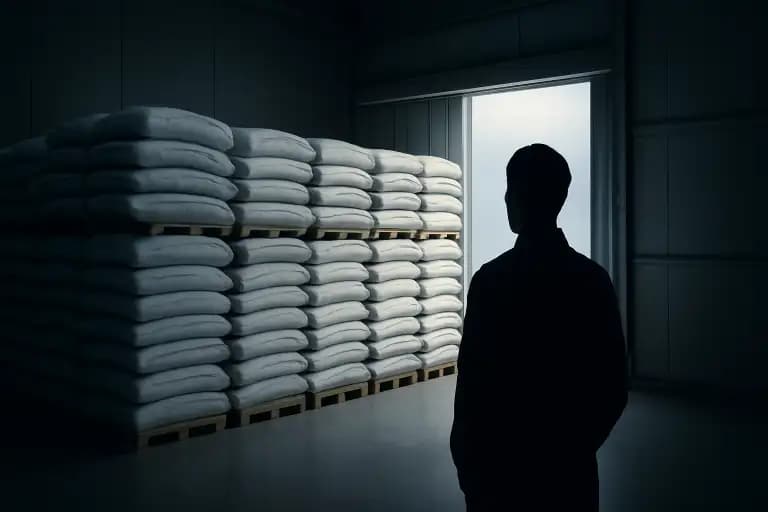
The rise in rice prices is being falsely attributed to government policies, overlooking the deeper issues of market inefficiencies and supply chain weaknesses.
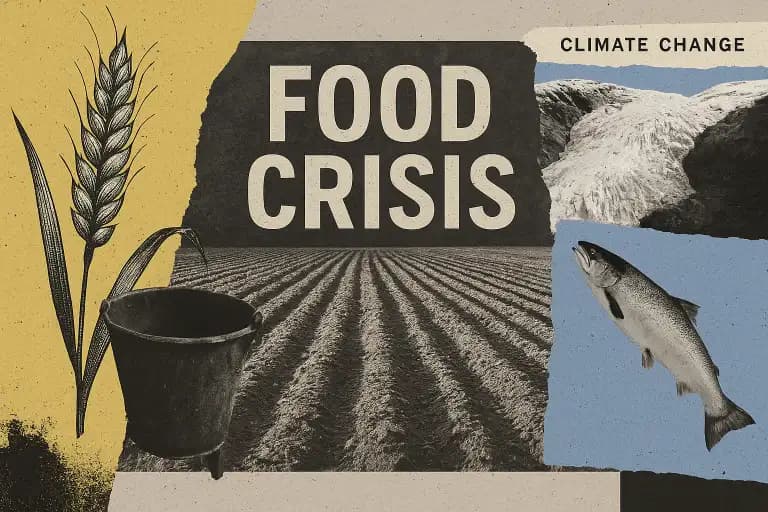
Global forecasts show 2025 will be one of the hottest summers on record. As glaciers melt and harvests shrink, the link between climate change and food insecurity becomes alarmingly real.

Trendy vegan cafés are thriving in Korean cities, but they may be eclipsing more practical, affordable, and ecologically grounded food traditions. What’s lost when clean eating becomes a brand — and who gets left behind?
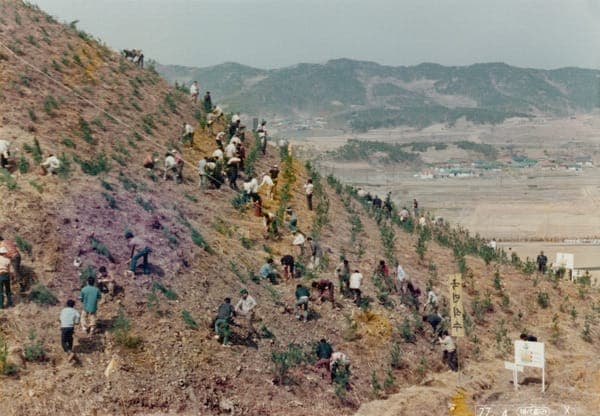
The trees that helped rebuild postwar Korea are now in decline. Can the country reimagine its forests for a hotter, more volatile climate?
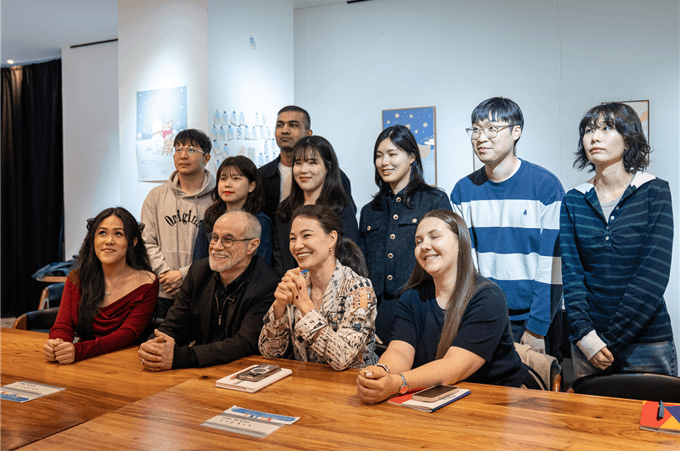
As the 15-minute city model spreads, Busan tests its limits—facing elevation, equity, and the future of urban design.
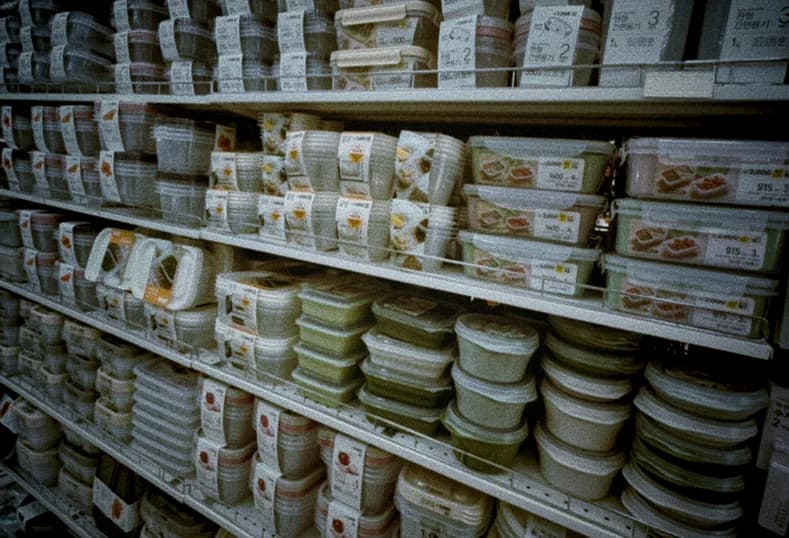
The shelves of discount stores like Daiso brim with affordable plastic products that cater to every household need. From storage containers to water bottles, these low-cost items have become a staple of modern life, offering convenience at an unbeatable price. However, lurking behind this affordability is a hidden cost—one that affects both human health and the environment. As the global appetite for cheap plastics grows, so does the need to confront their unintended consequences. Daiso, a lead
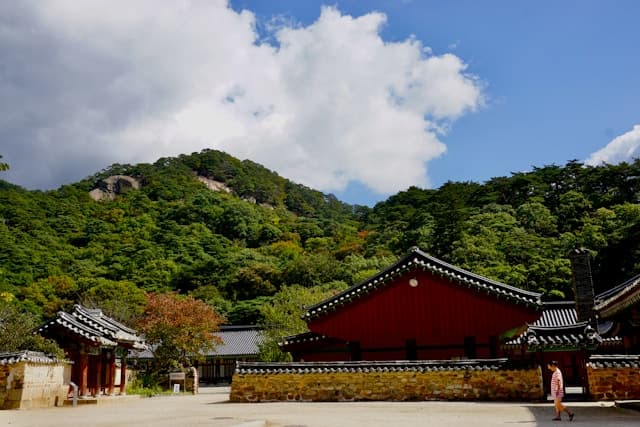
South Korea’s transformation from widespread deforestation to becoming a global leader in forest restoration is a story of resilience and ingenuity, often cited as an environmental success model worldwide. However, as the nation celebrates its remarkable recovery, a quieter crisis brews within its lush green landscapes. The aging of South Korea’s forests, now over 40 years old on average, poses a new kind of challenge that threatens the ecological, economic, and environmental foundations of this
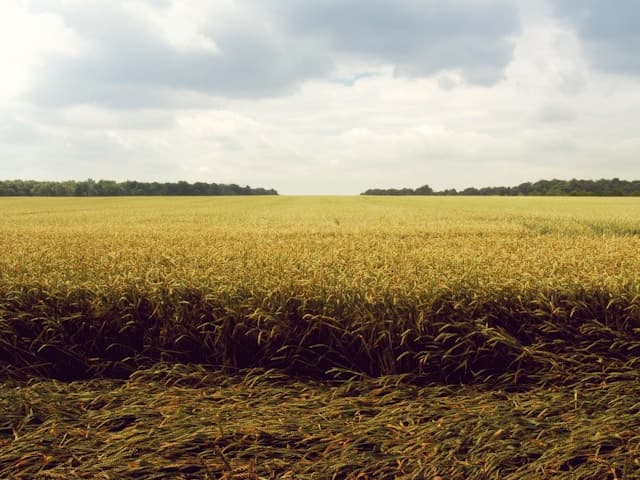
As South Korea faces the ripple effects of a global food crisis and mounting agricultural instability, Acting President Han Duck-soo’s veto of the Grain Management Act has thrust the nation into a pivotal debate. While the political spotlight is on Han’s rare intervention, the core issue is much larger: the future of South Korea’s food sovereignty. At a time when climate change, global supply disruptions, and rural decline threaten agricultural sustainability, the Grain Management Act offers mor

Owning a home has long symbolized stability, security, and success in societies across the world. Yet, for millions today, this dream has grown increasingly elusive. In Australia and South Korea, two nations separated by oceans but connected by the shared ideal of homeownership, the housing crisis has reached critical levels. While the symptoms may appear distinct, the underlying causes reveal striking parallels: urban concentration, low-interest rates, and government policies that have inadvert
Search within Sustainability or the wider site.