Nakdong Estuary Eco Center Unveils Updates with Grand Reopening
BUSAN, May 2, 2024 - The Nakdong Estuary Eco Center in Busan reopens its doors tomorrow after extensive renovations. Located within the Eulsukdo Ecological Park, the center aims to enhance visitor engagement through improved educational and conservation practices. The reopening ceremony is set for 4:00 PM today at the Eco Center’s entrance. Key figures including Busan's Mayor, representatives from the Cultural Heritage Administration, and environmental officials will be in attendance. The event
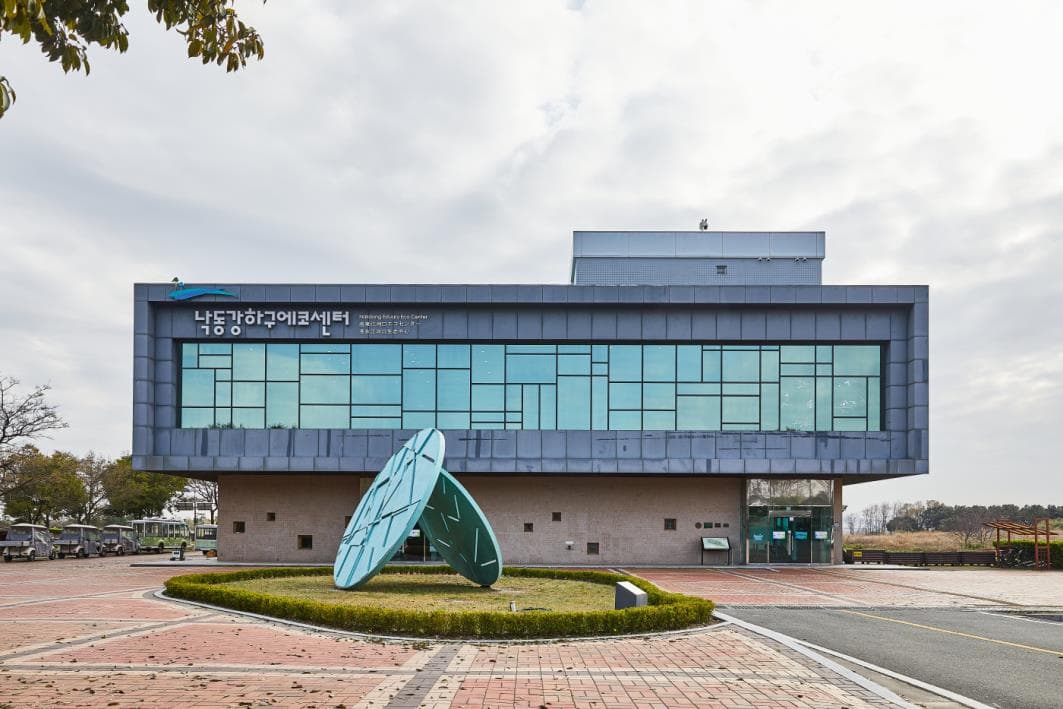
BUSAN, May 2, 2024 - The Nakdong Estuary Eco Center in Busan reopens its doors tomorrow after extensive renovations. Located within the Eulsukdo Ecological Park, the center aims to enhance visitor engagement through improved educational and conservation practices.
The reopening ceremony is set for 4:00 PM today at the Eco Center’s entrance. Key figures including Busan's Mayor, representatives from the Cultural Heritage Administration, and environmental officials will be in attendance. The event will consist of speeches, a ribbon-cutting, and a guided tour showcasing the updates to the facility.
The center, originally opened in June 2007, was designed through an international architectural competition to reflect the global significance of Eulsukdo Island as a critical migratory bird habitat. The redesign, while preserving the center's unique features such as its charred wood exterior and pine interiors, aligns the exhibitions with current trends under the theme “Eulsukdo Zoom-In: Becoming a Resident of Nature’s Paradise.” This theme invites visitors to explore the life and dynamics of the Nakdong Estuary.
The newly remodeled exhibit space spans four zones on the second floor:
- Formation and Ecology of the Nakdonggang Estuary: Discover the estuary’s formation and ecological changes over time.
- Biodiversity of the Estuary: A display of diverse species that inhabit the area.
- Birds of the Estuary: Focuses on the estuary’s bird species with interactive sound installations mimicking bird calls.
- Interactive Experience Areas: Includes a ‘Live Sketch’ feature where users can draw 2D designs that are converted into 3D models in real-time.
Additional facilities include the ‘Eulsukdo Gallery’ showcasing representations of the estuary in modern literature, an archive space with specialized materials and videos, and an indoor bird-watching area that offers panoramic views of the wetland’s wildlife.
The center continues to engage the community through diverse programs designed to foster environmental awareness and conservation. These include hands-on ecological workshops, educational walks, wildlife care experiences, and seasonal cultural events that integrate environmental themes.
In his remarks, Mayor Park Heong-joon highlighted the Eco Center’s role in balancing urban development with ecological preservation. He hopes it will remain a beloved locale for both education and eco-tourism, emphasizing the importance of nature in urban settings.
The Nakdong Estuary Eco Center’s reopening marks a renewed commitment to both education and the environment, inviting locals and visitors alike to reconnect with nature at this revitalized Busan landmark.
Continue this reporting
Reporting on the same issue
Related coverage selected from the article's desk, topics and newsroom relationships.
 NewsSep 20, 2026
What It Takes for U.S. Navy Repair Work to Become a Busan Industry
HJ Shipbuilding has brought U.S. Navy maintenance work to Yeongdo. Whether it...
 NewsSep 17, 2026
Busan’s Finished Homes, Unfinished Projects
Busan’s unsold homes sit in one monthly total, but they belong to very differ...
 NewsSep 16, 2026
Busan’s Young-Adult Migration Turns Sharply at 25–29
Busan can still draw young adults into the city, but keeping them becomes far...
More from the author
More from this byline
Stay with the same line of reporting through more work from this byline.
 NewsSep 18, 2026
The Other AI Race Is for the Freedom to Change Course
 NewsSep 5, 2026
How a Political Appointment Becomes a Judgment of Character
Editorial Record
Corrections, sourcing notes and newsroom disclosures remain part of the published record. View Newsroom Notes →
Reader Signal
Community readWhat did this report leave you with?
Choose the signal that best reflects your reading. Select it again to remove it.
One response per article
No response selected
A moderated conversation about the reporting.
One-level replies and newsroom moderation keep the conversation anchored to this article.
Discussion Status
Open
Please sign in to join the discussion.
Newsletter
Weekly reporting and context from Busan and Korea.