Connect Hyundai Busan: New Look, Same Old Struggles?
Busan, South Korea - Since its highly anticipated reopening, Connect Hyundai in Busan has drawn mixed reviews from visitors. The mall, which replaced the old Hyundai Department Store after a major renovation, aimed to attract the younger "MZ generation" (Millennials and Gen Z) with a modern, curated shopping experience. While the unique design and trendy food options initially caught attention, many have raised concerns about the mall's long-term appeal, especially for younger generations. On s

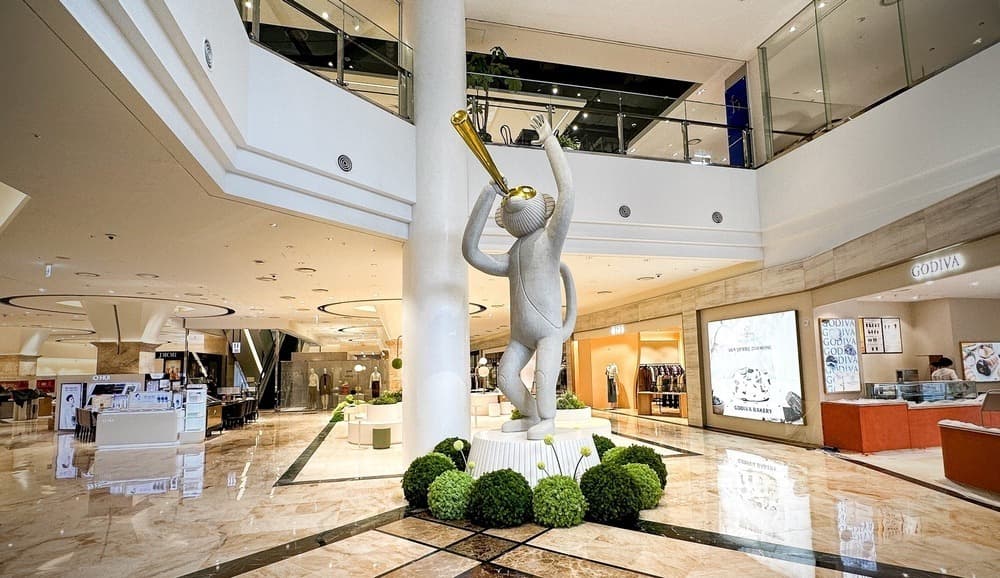
Busan, South Korea - Since its highly anticipated reopening, Connect Hyundai in Busan has drawn mixed reviews from visitors. The mall, which replaced the old Hyundai Department Store after a major renovation, aimed to attract the younger "MZ generation" (Millennials and Gen Z) with a modern, curated shopping experience. While the unique design and trendy food options initially caught attention, many have raised concerns about the mall's long-term appeal, especially for younger generations.
On social media, some visitors have praised the mall for its aesthetic upgrades and variety of trendy brands. The introduction of local favorites such as 'Butter Record' and 'Dari Jip,' alongside international names like 'Godiva Bakery,' has attracted food enthusiasts. The inclusion of local designer brands like 'Matinkim' and 'Marithe Francois Girbaud' has also caught the attention of fashion-forward shoppers. These aspects have been well-received, with visitors commending the effort to showcase local culture alongside trendy, global names.
However, despite the initial positive reception, many younger visitors have voiced their disappointment, especially regarding the lack of cultural and entertainment facilities. Visitors noted the absence of movie theaters, bookstores, and other cultural spaces that are often integral to creating an engaging, experiential retail environment. These shortcomings have led some to describe the mall as more of a one-time visit rather than a destination they would frequent regularly.
A significant portion of the feedback centered around the mall's failure to differentiate itself from its predecessor. Some critics remarked that Connect Hyundai still feels much like the old Hyundai Department Store, which catered primarily to older generations. Without interactive or community-driven spaces, the mall has struggled to establish itself as a recurring destination for younger shoppers.
One of the biggest challenges for Connect Hyundai is effectively attracting and retaining the younger MZ generation. Despite being marketed as a "playground" for Millennials and Gen Z, the mall’s design and overall atmosphere seem to fall short of the expectations set by similar venues in Seoul, such as “The Hyundai.” Visitors have commented that while the layout and selection of brands are visually appealing, they lack the kind of immersive experiences and cultural engagement that younger customers are looking for.
This is compounded by the mall's location in Beomil-dong, a neighborhood with a predominantly older population. While Hyundai has attempted to revamp the space with new brands and a modern look, the surrounding area still primarily caters to older residents. This mismatch between the target demographic and the local population has led to limited foot traffic from the younger audience, despite the mall's marketing efforts.
Another frequent complaint is the mall’s lack of integration with the surrounding commercial areas. Visitors pointed out that Connect Hyundai feels isolated from the neighboring local businesses, with no meaningful connection to the broader local market. This lack of synergy further reduces the likelihood of repeat visits, as shoppers don’t feel encouraged to explore beyond the mall’s confines. For a shopping mall aiming to be a cultural hub, the absence of engagement with the local community is a missed opportunity.
Connect Hyundai’s rebranding has generated initial interest, but it faces significant challenges in sustaining long-term success. While the mall's design and brand selection have been praised, the lack of cultural amenities, limited local integration, and difficulty in attracting younger visitors raise questions about its future. For the mall to thrive, it must go beyond its aesthetic appeal and focus on creating meaningful, engaging experiences that cater to both younger and older generations alike. Without these changes, Connect Hyundai risks becoming just another department store, struggling to keep pace with the demands of a modern retail environment
Continue this reporting
Reporting on the same issue
Related coverage selected from the article's desk, topics and newsroom relationships.
 NewsSep 20, 2026
What It Takes for U.S. Navy Repair Work to Become a Busan Industry
HJ Shipbuilding has brought U.S. Navy maintenance work to Yeongdo. Whether it...
 NewsSep 17, 2026
Busan’s Finished Homes, Unfinished Projects
Busan’s unsold homes sit in one monthly total, but they belong to very differ...
 NewsSep 16, 2026
Busan’s Young-Adult Migration Turns Sharply at 25–29
Busan can still draw young adults into the city, but keeping them becomes far...
More from the author
More from this byline
Stay with the same line of reporting through more work from this byline.
 NewsSep 18, 2026
The Other AI Race Is for the Freedom to Change Course
 NewsSep 5, 2026
How a Political Appointment Becomes a Judgment of Character
Editorial Record
Corrections, sourcing notes and newsroom disclosures remain part of the published record. View Newsroom Notes →
Reader Signal
Community readWhat did this report leave you with?
Choose the signal that best reflects your reading. Select it again to remove it.
One response per article
No response selected
A moderated conversation about the reporting.
One-level replies and newsroom moderation keep the conversation anchored to this article.
Discussion Status
Open
Please sign in to join the discussion.
Newsletter
Weekly reporting and context from Busan and Korea.