Reporting, analysis, and commentary on economy from Breeze in Busan.
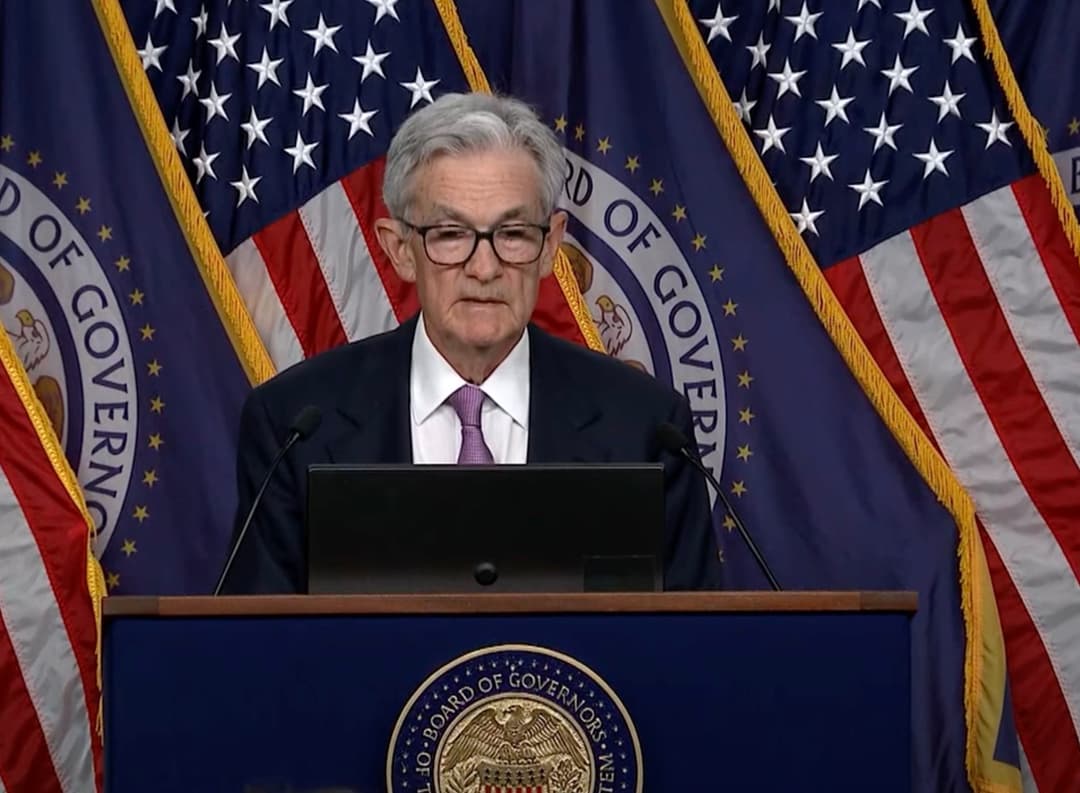
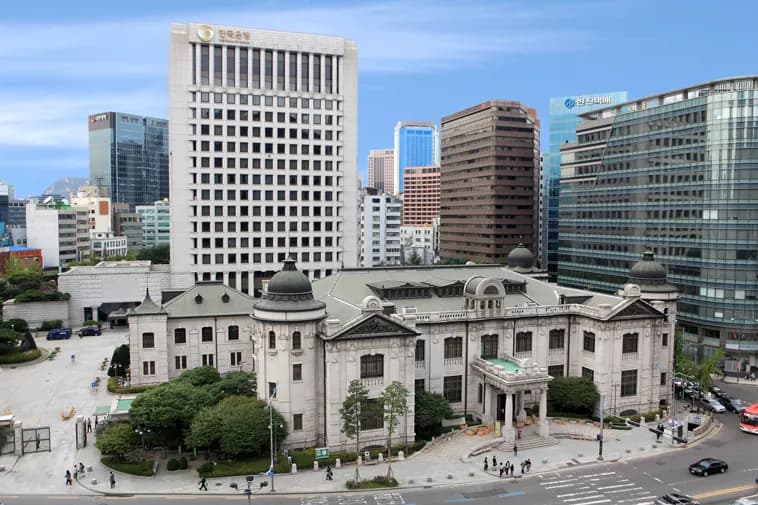
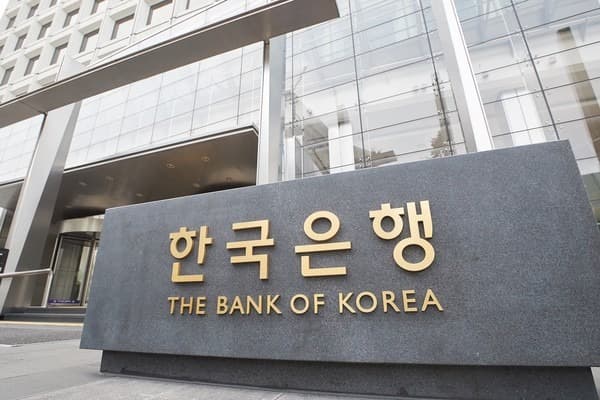
South Korea - Bank of Korea Governor Rhee Chang-yong has stated that it is too early to begin discussing rate cuts, despite the central bank being among the first to pause its tightening cycle. This has led to market speculation about potential rate cuts, but Rhee believes these expectations are "premature." During the Asian Development Bank's annual meeting in Incheon, Rhee commented on South Korea's economic landscape, highlighting that the country's core inflation remains well above the targ
As South Korea grapples with a recession, the government has embarked on a strategy of selling public institutions' real estate assets and reducing workforces to address fiscal challenges. While this approach may provide short-term relief, it is essential to examine the potential unintended consequences on the economy and explore the necessary steps to mitigate any adverse effects. One of the primary concerns regarding the sale of public real estate assets during a recession is the impact on th
South Korea's central bank, the Bank of Korea, has decided to maintain its benchmark interest rate at 3.50% during a recent monetary policy meeting. This marks the second consecutive freeze since February, as consumer price inflation has dropped to the low 4% range. The decision to hold the interest rate was made to monitor the economic situation and support growth. The market has reacted positively to the interest rate freeze, but concerns remain over the widening interest rate gap with the Un
With inflation appearing to slow down and the economy remaining sluggish, the Bank of Korea keeps the base rate unchanged for the second consecutive time. The Bank of Korea (BOK) has opted to maintain the base rate at 3.5 percent for a second consecutive time, as recent data suggests that inflation is slowing down while the economy continues to struggle. This decision aligns with market expectations, indicating that the BOK's 1.5-year rate hike cycle may have come to a halt. BOK Governor Rhee
The World Bank cautioned that the coronavirus pandemic and Russia's war in Ukraine have contributed to a decline in the global economy's long-term growth potential, possibly leading to a "lost decade" characterized by increased poverty and fewer resources to address climate change. This warning arises as the world grapples with multiple crises, including the pandemic's impact on economies and public health systems and Russia's invasion of Ukraine, which has disrupted global supply chains and da
South Korea's early trade data reveals a deepening slump in exports, as global demand for semiconductors remains weak and China's reopening has not yet provided a boost. With daily shipments decreasing significantly, this decline in sales has implications for the Korean economy, which has already contracted in the last quarter. Exports Decline in March In the first 20 days of March, South Korea's daily shipments decreased by 23.1% on average compared to the previous year. Total exports fell by
South Korea is currently facing two alarming trends among its younger population: a record-high number of young adults not seeking work and a highly debated proposal to increase the workweek cap. Nearly half a million young adults aged 15-29 report being "off" work and not actively seeking employment, marking the highest number in the history of this statistic. Meanwhile, the government's recent proposal to increase the workweek cap from 52 to 69 hours has sparked strong opposition from Millenni
South Korea has recently posted its worst trade deficit in history, with a 13.9 billion-dollar deficit in February 2023. The country's worsening trade balance is concerning for its economy, which heavily relies on exports. The COVID-19 pandemic has hit the global economy hard, causing supply chain disruptions and demand shocks. This has also affected South Korea's economy, which heavily relies on exports of goods such as semiconductors, automobiles, and petrochemical products. The country's ex
Silicon Valley Bank (SVB), the preferred bank for the tech sector, collapsed suddenly after a series of unfortunate investment decisions. The California-headquartered organization grew to become the 16th largest bank in the US, catering to the financial needs of technology companies worldwide before its collapse. SVB’s services were in hot demand throughout the pandemic years. The initial market shock of Covid-19 in early 2020 quickly gave way to a golden period for startups and established tec
Silicon Valley Bank (SVB), one of the largest banks in the United States catering to the technology industry, collapsed just 48 hours after a bank run by its depositors. This event marks the largest failure of a financial institution since the height of the financial crisis more than a decade ago. The collapse of SVB has caused global start-up companies to call for emergency support from governments as they fear bankruptcy. The bank had $209 billion in assets and about $175.4 billion in deposit
Hong Kong has been facing a major challenge in recent times, as it tries to regain its position as Asia's premier financial center after years of pandemic controls. However, a Financial Times analysis of real estate prices, air traffic, and other indicators shows that Singapore has taken the lead in the region, leaving Hong Kong to play catch-up. While Hong Kong's chief executive, John Lee, has launched a campaign to convince the world that the Chinese territory is not only open for business bu
South Korea's economic success story is widely attributed to its export-oriented development strategy, strong industrial base, and skilled workforce. According to a recent study by the Korea Institute for International Economic Policy, Korea's export-led growth model has been successful in driving economic growth and industrialization, with exports growing at an average annual rate of 9.5% since the 1960s. However, the overreliance on a few key industries has made Korea's economy vulnerable to e