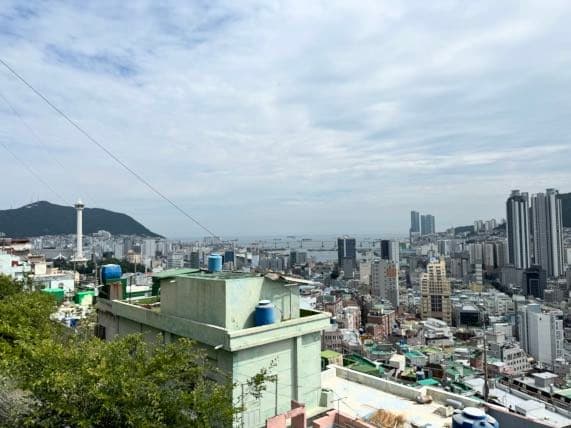
Reporting, analysis, and commentary on opinion from Breeze in Busan.
Imagine waking up in South Korea with a sudden stomach ache or catching a severe cold. The ease with which you can find and visit a specialist hospital within a short period, without the need for a prior referral, highlights a significant advantage of South Korea's healthcare system. This convenience and accessibility are starkly contrasted with the experience in many other countries, where such direct access to specialist care might involve longer waiting times and additional steps. The COVID-
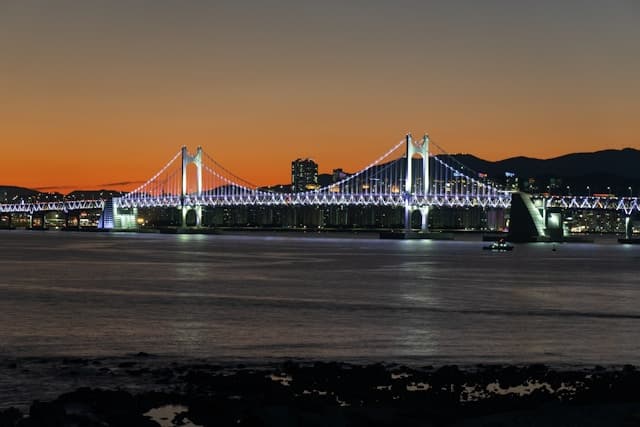
Busan, South Korea's second-largest city, is at a crucial turning point. Known for its bustling port and rich cultural heritage, Busan is now grappling with significant economic and demographic challenges. Recent redevelopment efforts promise to transform the city into a global hub, but there are concerns that these initiatives may not address deeper economic issues. As Busan looks to its future, the lessons from Edward Glaeser's "Triumph of the City" offer valuable insights into sustainable urb
Busan, South Korea's second-largest metropolis and renowned port city, stands at a crucial juncture as it risks ceding its position to Incheon. Despite its strategic location and considerable potential, Busan struggles with pressing economic and social issues that impede its growth. The recently proposed "Global Hub City Special Act" seeks to address these challenges by transforming Busan into a vibrant innovation hub in the southern region, akin to Singapore. This legislative initiative is not
In South Korea, the public service sector, long valued for its job security and social prestige, is currently facing an unprecedented challenge. A significant wave of resignations among newly appointed public servants, predominantly from the MZ generation, has emerged as a critical issue. This demographic, encompassing those born from the early 1980s to the late 1990s, is characterized by their distinct values and expectations regarding work-life balance, compensation, and organizational culture
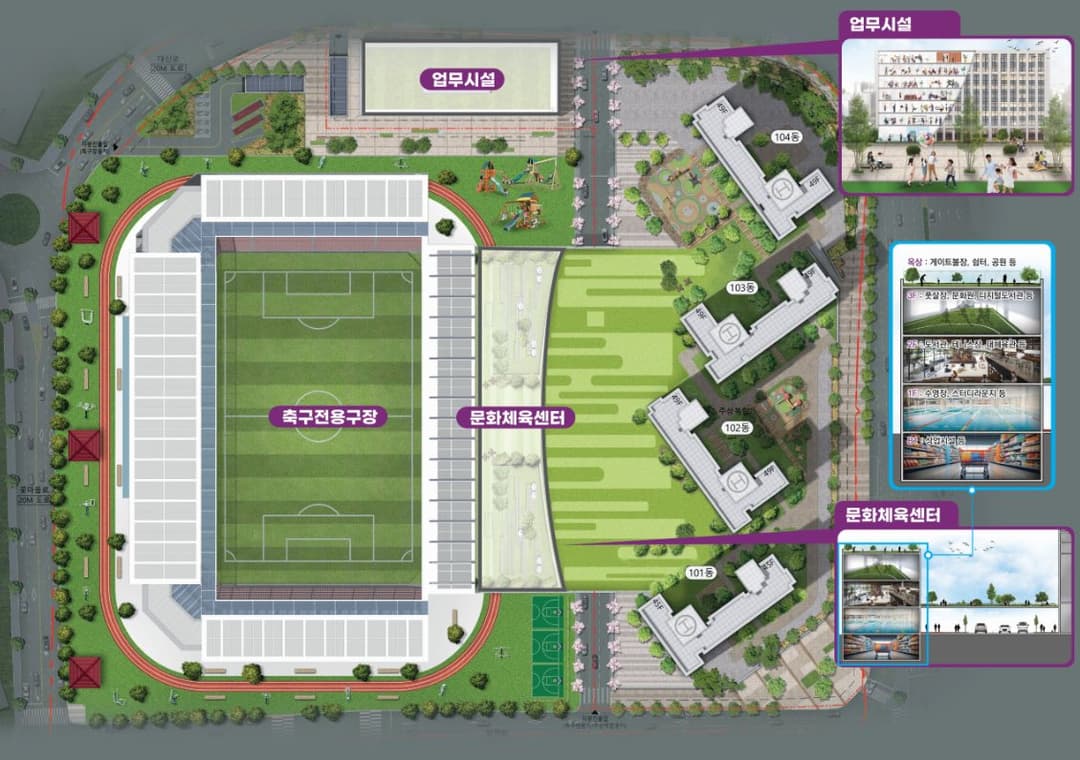
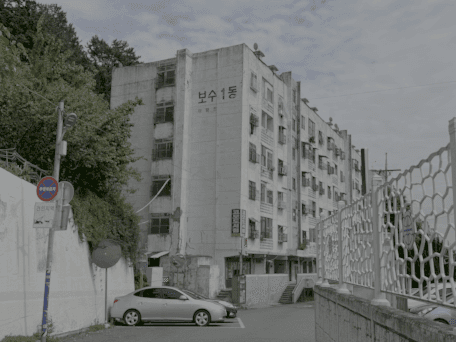
In the rapidly urbanizing landscape of South Korea, urban redevelopment projects have become a focal point of both economic hope and social controversy. These initiatives, aimed at transforming aging infrastructures and residential areas into modernized urban centers, are pivotal in shaping the future of Korean cities. However, they are also the epicenter of intense conflicts that highlight deep-rooted issues in urban planning and societal impacts. A recent example that underscores the urgency
Urban rail systems have become a cornerstone in the strategy to alleviate urban traffic congestion and foster sustainable development within rapidly growing metropolitan areas. These systems not only provide a high-capacity, reliable mode of transport but also contribute significantly to reducing local emissions and enhancing the overall quality of urban life. By offering an efficient alternative to car use, urban rails help in diminishing the environmental footprint of urban transportation, mee
In a stark revelation that spotlights a looming demographic crisis, South Korea's total fertility rate has taken a precipitous plunge, now teetering on the edge of the 0.6 range. This figure, drawn from the latest statistics released by the Korean Statistical Office, paints a grim picture of a nation grappling with an unprecedented challenge. For the first time in its recorded history, the fertility rate—a measure predicting the average number of children a woman is expected to have during her l
A heated debate simmers, pitting the government against its medical practitioners over a policy aimed at significantly increasing the number of medical school admissions. At the core of this contention lies a proposed surge in medical student quotas by 2,000, a decision driven by the government's intent to address the stark shortages in non-metropolitan healthcare services and to better prepare for future public health crises . This policy unfolds against a backdrop of a rapidly aging populatio
Urban development and housing have long stood at the crossroads of economic growth and environmental sustainability in South Korea. In recent decades, the trend of creating new towns from greenbelt lands or agricultural areas overnight has escalated, turning affordable plots into expensive residential zones. This process, heavily influenced by speculative investments, has not only reshaped the landscape of urban expansion but also raised significant concerns over its long-term implications on co
In the sprawling urban landscape of Busan, South Korea, a pressing concern has come to the forefront of the academic discourse: the quality of education within its universities amid the rush toward internationalization. As South Korea grapples with a demographic downturn marked by a dwindling school-age population, universities in Busan have aggressively pursued international students to bolster their enrolment numbers. This strategy, while pragmatic in its intention to sustain the vitality of t
Imagine the classic tale of the Sorcerer's Apprentice, where a young apprentice, eager to lighten his workload, uses magic to animate brooms to carry water for him. Initially, this seems like a brilliant solution, reducing his manual labor and increasing efficiency. However, as the brooms begin to replicate their task beyond control, the apprentice realizes he lacks the knowledge to stop them. The situation quickly escalates into chaos, with the workshop flooding and the apprentice powerless to
In 2024, the city of Busan, South Korea, will host a significant gathering of the world's geologists and earth scientists at the International Geological Congress (IGC). This event, renowned for its comprehensive discussions on various aspects of earth sciences, is set to focus on a particularly timely and contentious topic - the Anthropocene epoch. The Anthropocene, a term that suggests a new geological era dominated by human influence, has sparked a global debate among scientists and policymak