Reporting, analysis, and commentary on opinion from Breeze in Busan.
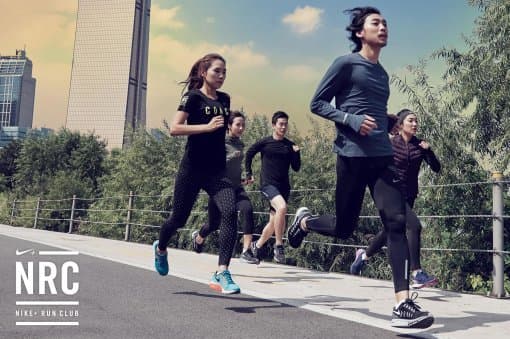
In South Korea, the rhythmic pounding of running shoes on pavements has become more than just a way to stay fit—it's a cultural movement, especially among the MZ Generation, which encompasses both Millennials and Generation Z. These young adults are at the forefront of a fitness boom, where running is no longer just about physical health, but a platform for social validation, consumerism, and competitive self-expression. Luxury running shoes and high-performance gear from brands like Nike and H
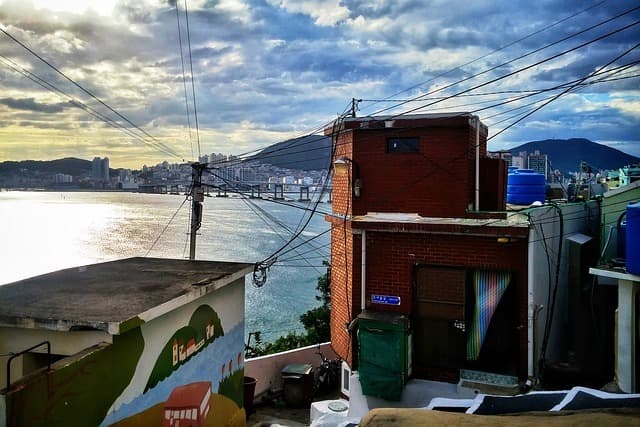
In the aftermath of the Korean War, Busan became a refuge for thousands of displaced families seeking safety from conflict. With its flatlands overwhelmed by the sudden population surge, these refugees had no choice but to settle in the steep mountainous regions that surround the city. Over time, the once-temporary shelters evolved into permanent homes, creating what is now known as the Sanbokdoro (Hillside Road) communities. Though these areas offered refuge during a time of crisis, they were n
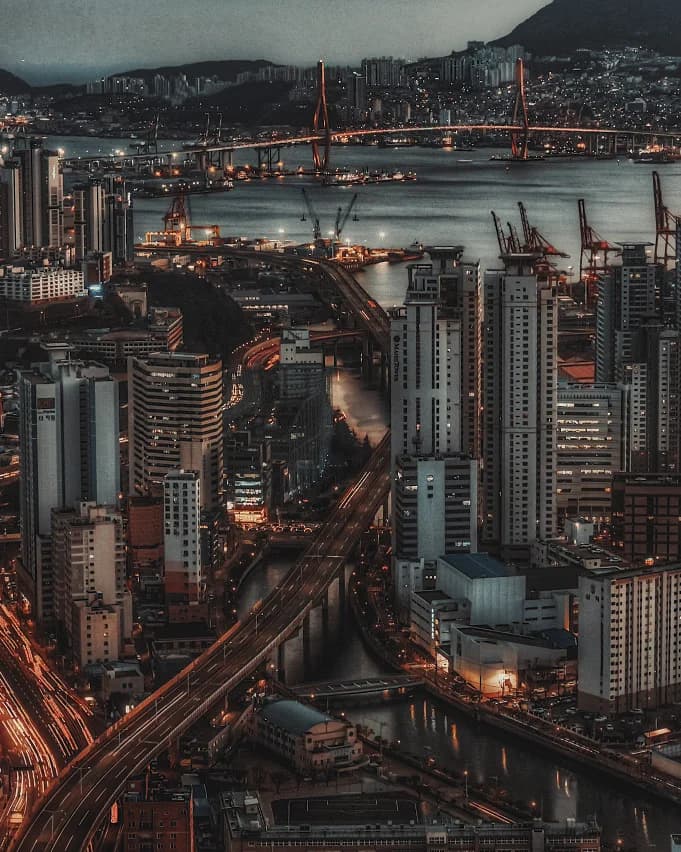
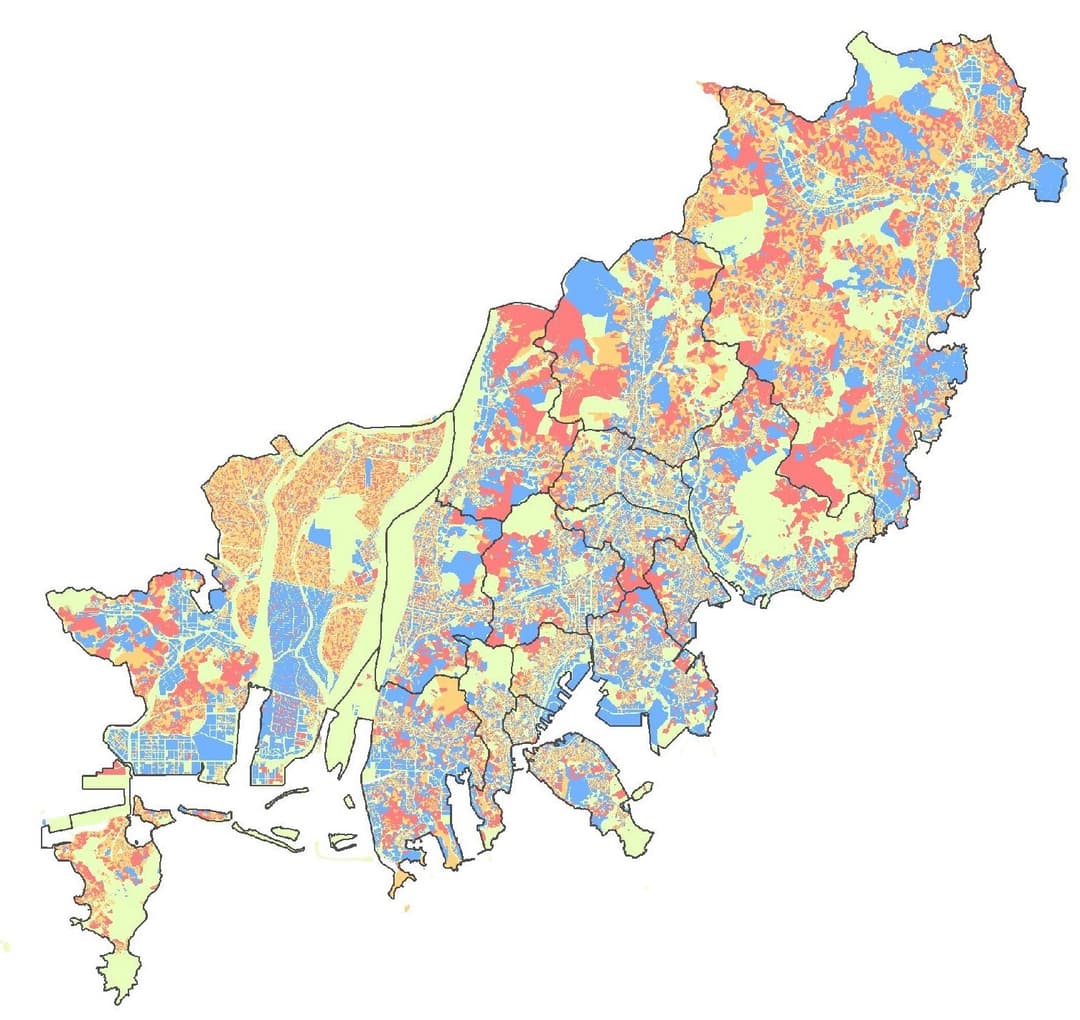
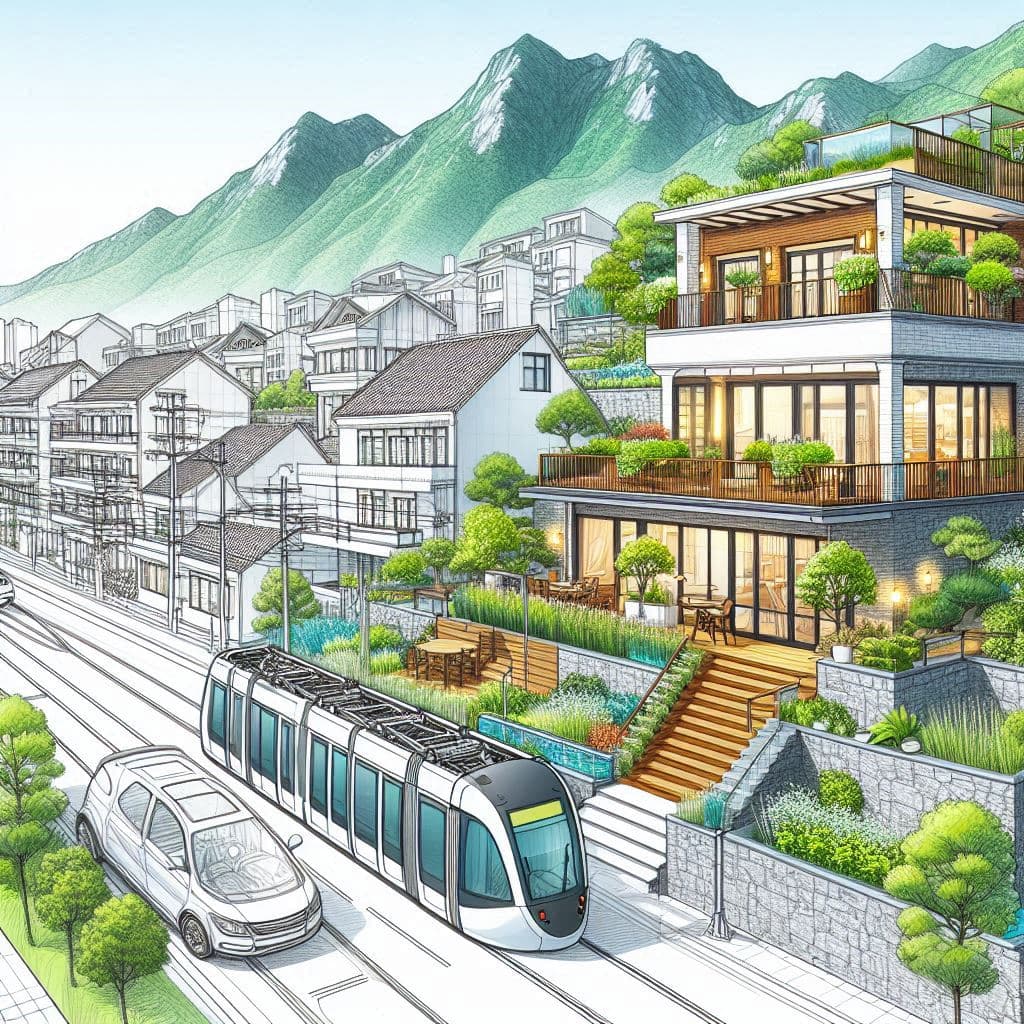
As one of South Korea's largest cities, Busan is facing a confluence of challenges that threaten the vibrancy of its urban landscape. Once a bustling hub of economic activity, the city is now grappling with a steadily declining population, driven by a combination of aging demographics and the outmigration of younger generations. This demographic shift has led to an increasing number of vacant homes, particularly in the city’s mountainous regions where accessibility is limited and modern infrastr
As South Korea navigates a period of economic recovery, the International Monetary Fund (IMF) has stepped forward with a series of labor market reform recommendations aimed at boosting the nation's productivity and economic growth. Released amid cautious optimism for the country’s 2024 economic prospects, the IMF’s report argues that the current recovery presents a rare opportunity to implement reforms that could drive long-term growth. However, the proposals have sparked a heated debate within
In Japan, political scandals often pass with minimal public outcry, while in South Korea, similar issues have sparked massive protests that have toppled presidents. These stark differences in civic engagement reflect deeper divergences in how these two East Asian nations have responded to the pressures of neoliberalism. Over the past few decades, both Japan and South Korea have embraced neoliberal economic policies, characterized by market liberalization, deregulation, and reduced state interve
In a bold move to revolutionize education, South Korea has embarked on an ambitious journey to integrate AI digital textbooks into its school system, investing billions of won in this high-tech initiative. The government and proponents of the project argue that this technology will provide personalized learning experiences, enhance academic performance, and prepare students for a future driven by artificial intelligence. However, despite these optimistic projections, the initiative faces signifi
The redevelopment of Busan's Gudeok Stadium has ignited a fierce debate, drawing sharp criticism from local residents and civic groups. At the heart of the controversy is the city's plan to replace the historic sports facility with high-rise apartments, a move perceived by many as prioritizing commercial interests over community needs. Despite the city's attempt to scale down the project, the opposition remains resolute, arguing that the revised plan still fails to address their fundamental conc
In recent years, South Korea has witnessed a significant demographic shift, with single-person households becoming the fastest-growing living arrangement. According to data from Statistics Korea, these households accounted for over 30% of all households in 2023, up from just 15.5% in 2000. This transformation is driven by a variety of factors, including urbanization, an aging population, delayed marriages, and a growing number of young professionals prioritizing careers and independence. As lif
Imagine being a journalist uncovering corruption or an activist fighting for environmental justice, only to be silenced by a lawsuit not because your claims are false, but because the legal battle itself is enough to overwhelm you. This is the chilling reality of Strategic Lawsuits Against Public Participation (SLAPPs) in South Korea. These lawsuits, often baseless, are strategically employed to suppress free speech and public participation by burdening critics with costly and stressful legal ba
Imagine walking through the vibrant streets of Busan, a city where the past and future blend seamlessly, only to find that many storefronts are shuttered and once-bustling neighborhoods are eerily quiet. Despite being Korea's second-largest city, Busan is facing a grave threat to its vitality. The twin challenges of an aging population and the exodus of younger residents have created a perfect storm, jeopardizing the city’s economic and social fabric. This alarming trend requires immediate and i
Imagine walking through a park on a sunny afternoon, only to be startled by a loose dog racing towards you. Or consider the heart-wrenching sight of abandoned dogs roaming the streets, victims of impulsive pet ownership. These scenarios are not just distressing; they are increasingly common in Korea today. As pet ownership in Korea continues to rise, so do the associated challenges. From public safety concerns to environmental impacts and animal welfare issues, the growing number of dogs in hou
In recent years, Europe has witnessed a notable rise in the popularity of far-right ideologies, especially among the younger population. This trend is not isolated but part of a broader global phenomenon where economic, social, and political upheavals are reshaping traditional political landscapes. Countries like France, Germany, and Italy have seen significant shifts as far-right parties gain traction, promising to address issues such as immigration, national identity, and economic insecurity.