Reporting, analysis, and commentary on opinion from Breeze in Busan.
The recent relocation of South Korea's presidential office from the Blue House to Yongsan District has exposed it to eavesdropping, infiltration, and security risks, potentially prompting the next administration to consider moving the administrative capital to a more secure location. This decision could offer a rationale for relocating the presidential office to a less vulnerable location in the provinces, addressing security concerns and bolstering national safety. Espionage Revelations and S
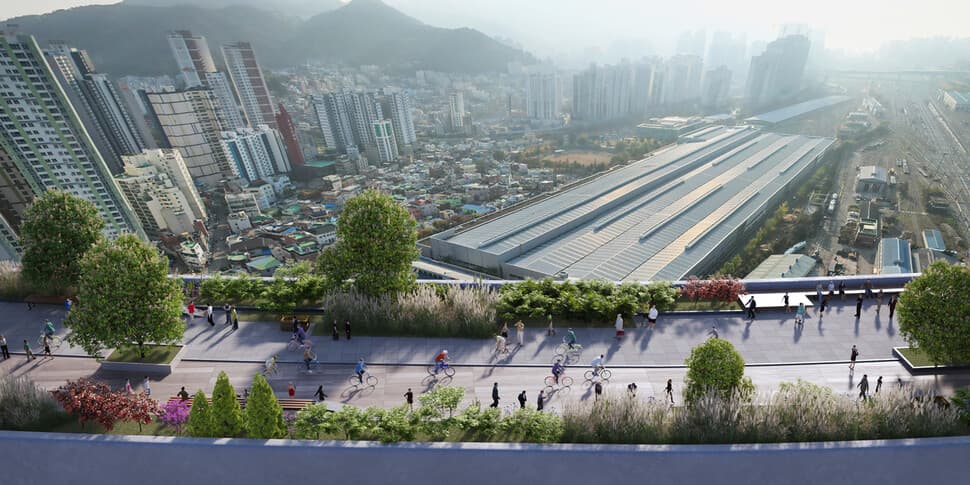
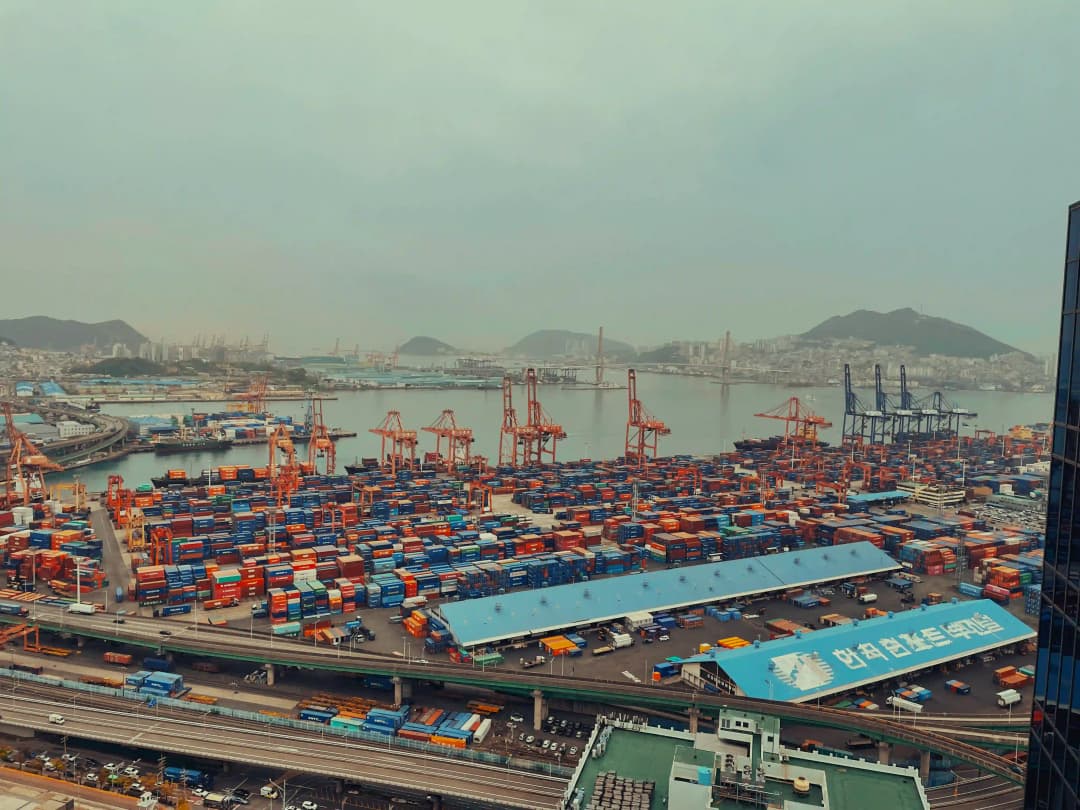
Busan, South Korea's second-largest city, confronts a multitude of challenges as it witnesses the decline of traditional manufacturing industries and a lack of knowledge-based industries and high-paying jobs essential for attracting and retaining young people. In response to these pressing issues, the city's policies have been limited in scope, primarily concentrating on tackling the job opportunity imbalance in the western region of Busan. This article will discuss the current state of Busan's
In the 30 years since establishing diplomatic relations in 1992, South Korea and China have seen their trade volume increase 47-fold, symbolizing the significant growth of their economic cooperation. While the two nations have faced political and diplomatic challenges, their economic relationship has continuously advanced through complementary cooperation. However, Korea's relationship with China is facing new challenges due to the intensifying strategic competition and decoupling between the U
The U.S.-Japan Semiconductor Trade Conflict, which began in the 1980s, had a significant impact on the global semiconductor industry. As the United States accused Japan of unfair trade practices, such as dumping and government subsidies, this conflict led to a series of negotiations and agreements that shifted the balance of power in the industry. Japan's dominance in the semiconductor market waned, making way for other players, including South Korea and Taiwan, to emerge as major competitors.
South Korea, a nation known for its effective urban planning and efficient transportation infrastructure, has so far managed to avoid the pervasive issue of food deserts that many other countries face. Food deserts are areas with limited access to affordable and nutritious food, disproportionately affecting low-income and marginalized communities. However, as South Korea continues to experience rapid urbanization, shifting dietary habits, and increasing income inequality, the potential threat of
I. The Forgotten Tragedy In the shadows of the Korean Peninsula's tumultuous past, the Jeju Uprising remains a haunting, often overlooked tragedy that has left an indelible mark on the region's politics and society. This poignant chapter of history, marred by untold suffering and brutal repression, has long been eclipsed by the broader narratives of the Cold War and the Korean War that followed. Yet, the echoes of Jeju still reverberate in the collective memory of those affected, as survivors a
South Korea's urban landscape is undergoing significant changes as the global shift towards hybrid work models pushes people from bustling cities to suburban neighborhoods. To reinvent its urban landscape, the nation can draw inspiration from the United States, where the pandemic-induced migration to suburbs has resulted in a reevaluation of suburban design and development. However, South Korea must also address its own unique challenges, such as the lack of pedestrian-focused paths and the pred
School trips have long played a crucial role in education and cultural exchange between South Korea and Japan. However, their historical origins in colonial education and the recent controversy surrounding their portrayal in major Korean newspapers have brought their significance and impact to the forefront of public discourse. This editorial aims to provide an in-depth analysis of the origins and development of school trips in Korea, their influence on colonial education, and the ongoing debate
South Korea's justice system has come under increasing scrutiny in recent years, as the nation grapples with the consequences of the Constitutional Court's decision to reject petitions to nullify revisions to the Prosecutors' Office Act and the Criminal Procedure Act. The legislation, which aimed to limit prosecutorial probes to corruption and economic crime, has sparked debate about the balance of power within South Korea's legal institutions. Critics argue that the prosecution's unchecked auth
In recent years, South Korea has faced a sharp decline in birth rates, leading to a so-called "fertility crisis." As policymakers scramble to find solutions, it is vital to examine the impact of the rapid socioeconomic shift on gender roles and expectations in the country. In this in-depth analysis, we argue that addressing the disparity in gender dynamics is crucial in tackling the fertility crisis. We will explore South Korea's historical context, the factors contributing to the changing gende
Drawing upon the 2022 Country Reports on Human Rights Practices for South Korea (https://www.state.gov/reports/2022-country-reports-on-human-rights-practices/south-korea/) and additional professional papers, this editorial examines significant labor-related concerns in the country. While South Korea has made notable progress, there are areas that require further improvement. We will analyze these crucial issues, assess the current situation, and suggest recommendations to facilitate positive cha
The global transition towards clean energy sources has led to the development of innovative renewable energy technologies, with hydrogen fuel cell technology being one such promising technology for the future. Hydrogen fuel cells can provide a clean and efficient source of energy that can be used in various applications, from transportation to power generation. However, there are still significant challenges and limitations that must be overcome before hydrogen fuel cell technology can become a