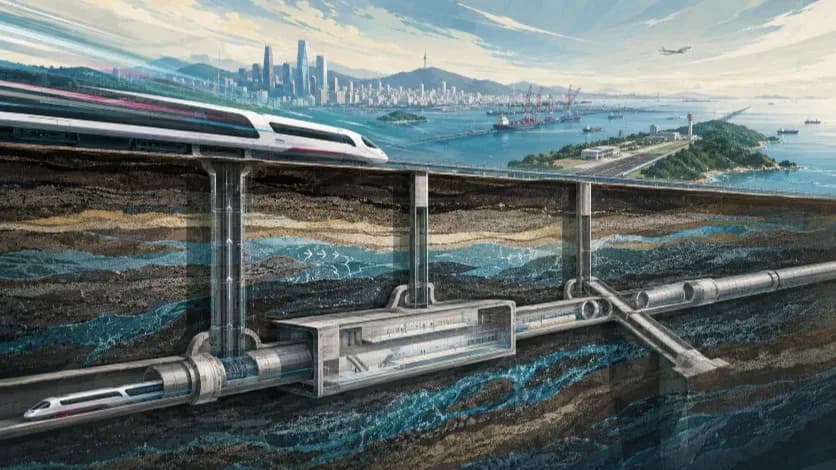
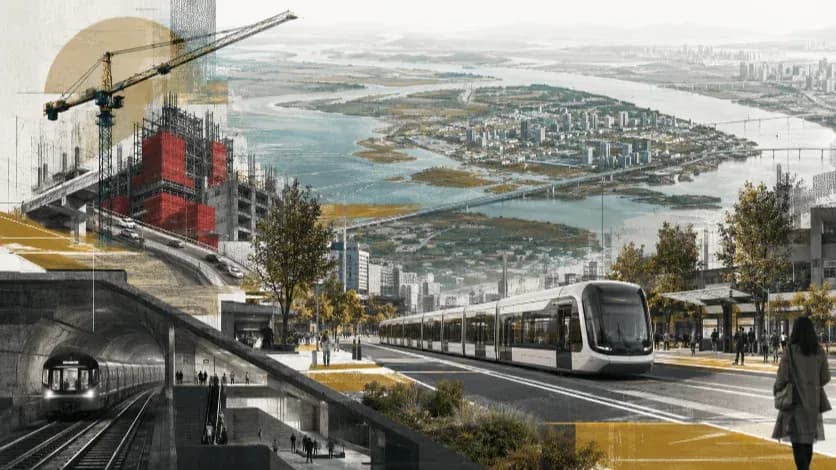
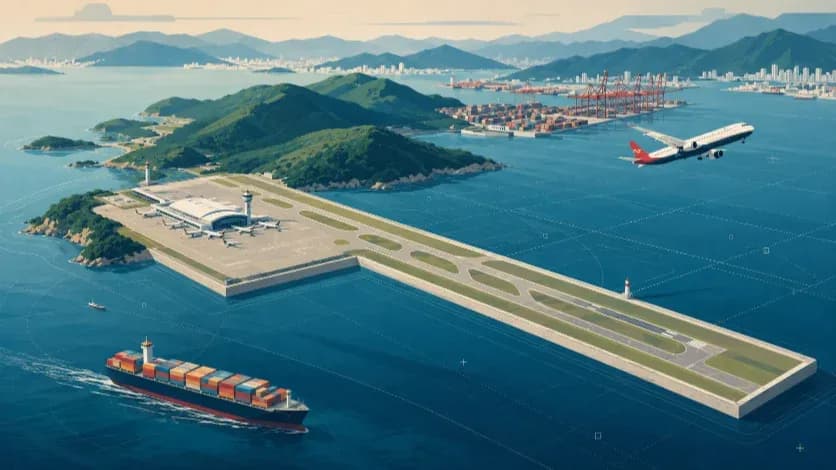
Busan Unveils Hydrogen Tram Plan to Power Its Smart, Sustainable Future
Busan to build a 24.2km hydrogen tram line, connecting key coastal districts in a smart, sustainable transit upgrade.

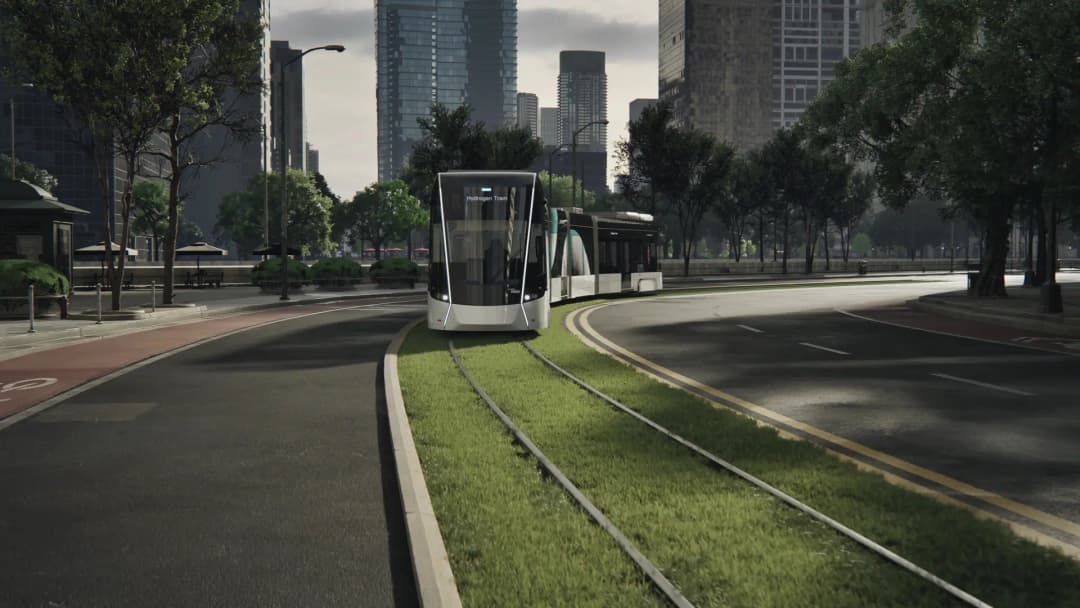
BUSAN, South Korea - Busan has announced plans to build a 24.21-kilometer hydrogen-powered tram line connecting key downtown districts along the coast, signaling a bold move toward sustainable urban transit and smart city innovation.
The ₩724 billion (approx. USD $540 million) project, named the “Busan Port Line,” aims to bridge the city’s older coastal districts — including Yeongdo, North Port, Gamman, and Kyungsung — with a sleek, catenary-free hydrogen tram system. Once completed, the line will serve 41 stops, operating along a scenic corridor from Taejongdae to Pukyong National University.
Unlike traditional electric trams, the Busan Port Line will run on hydrogen fuel cells, enabling emissions-free operation without overhead power lines. This clean energy technology is central to Busan’s broader climate strategy and marks one of Korea’s first urban-scale applications of hydrogen in mass transit.
“This is more than just a transit project,” said Mayor Park Heong-joon in a press statement. “The Busan Port Line represents our vision for a city where clean energy, inclusive design, and connected infrastructure fuel economic growth and everyday life.”
The new tram line strategically consolidates three previously proposed but stalled routes: the Yeongdo Line, C-Bay Line, and Uam-Gamman Line. By combining them into one integrated line, Busan hopes to boost feasibility, cut construction overlap, and enhance the city’s east-west connectivity.
Key stops along the line will include Korea Maritime University, Busan Station, the North Port redevelopment zone, and major metro hubs like Beomil (Line 1) and Munhyeon (Line 2). The aim: to create a “15-minute city” in which residents can access jobs, services, education, and culture within a short, eco-friendly commute.
City officials say the tram is a cornerstone of Busan’s 2026–2035 Urban Transit Master Plan, which includes the integration of smart mobility systems, improved last-mile connectivity, and digitally enhanced rider experiences.
The project is also tied to hydrogen industry development, one of Busan’s strategic growth sectors. By investing in hydrogen trams, the city hopes to stimulate the local green tech economy, attract public-private partnerships, and position itself as a global hydrogen transport testbed.
According to the city’s outline, the project will undergo feasibility screening next year, with construction targeted to begin after national approval and funding clearance.
In addition to the tram itself, Busan plans to develop walkable, mixed-use districts around tram stations — an approach known as Transit-Oriented Development (TOD). These hubs will prioritize pedestrian infrastructure, green space, and micro-mobility options like bikes and personal scooters.
Urban planners envision the Port Line not only easing traffic congestion and reducing emissions, but also reinvigorating underused coastal zones and restoring vibrancy to Busan’s original downtown.
The city will conduct public hearings, community consultations, and inter-agency reviews through mid-2025 before submitting the project to the central government’s pre-feasibility study.
While challenges remain — including budget sharing, coordination with ongoing port redevelopment, and technical hurdles of hydrogen deployment — Busan is betting big on the future of green public transit.
Editorial Context
"Independent journalism relies on radical transparency. View our full log of editorial notes, corrections, and project dispatches in the Newsroom Transparency Log."
Reader Pulse
The report's impact signal
Be the first to provide a reading pulse. These collective signals help our newsroom understand the impact of our reporting.
Join the discussion
A more thoughtful conversation, anchored to the story
Atlantic-style discussion for this article. One-level replies, editor prompts, and moderation-first participation are now powered directly by Prisma.
Discussion Status
Open
Please sign in to join the discussion.
The Weekly Breeze
Independent reporting and analysis on Busan,
Korea, and the broader regional economy.