Busan's Construction Industry Faces Liquidity Crisis as Major Firms Declare Bankruptcy
In a distressing development for Busan's construction sector, two mid-sized firms, Iksoo Construction and Namhung Construction, have declared bankruptcy, marking a deepening liquidity crisis within the industry. This is the first time such significant failures have occurred among the top 20 comprehensive construction companies in the region, highlighting a severe industry-wide downturn that began last year. Namhung Construction and Iksoo Construction have succumbed to financial instability with

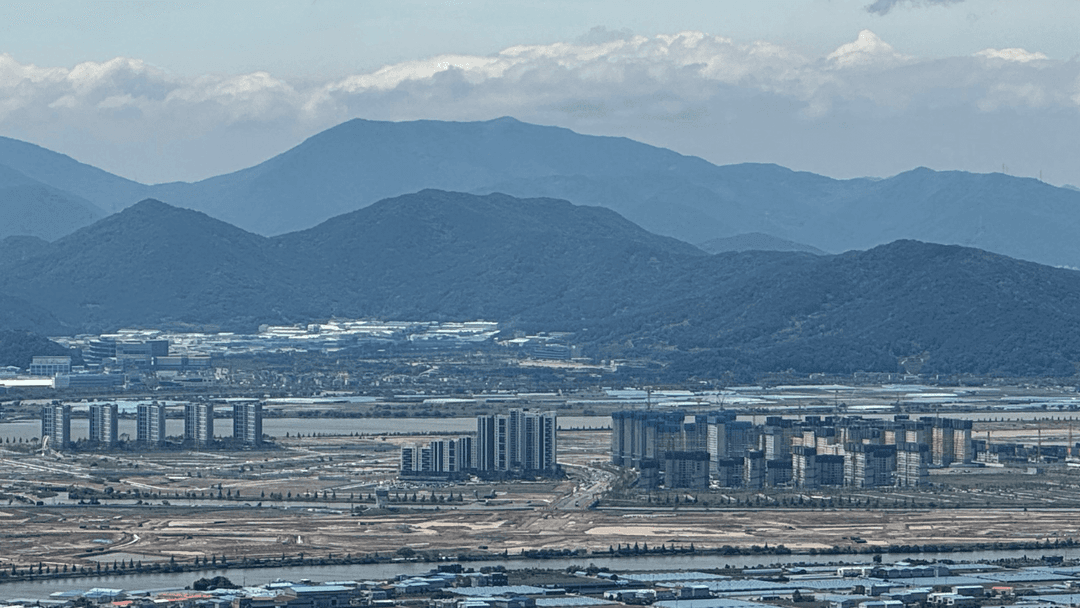
In a distressing development for Busan's construction sector, two mid-sized firms, Iksoo Construction and Namhung Construction, have declared bankruptcy, marking a deepening liquidity crisis within the industry. This is the first time such significant failures have occurred among the top 20 comprehensive construction companies in the region, highlighting a severe industry-wide downturn that began last year.
Namhung Construction and Iksoo Construction have succumbed to financial instability with official bankruptcy proceedings initiated early this month and at the end of last month, respectively. Namhung Construction, established in 1969, was ranked 25th in Busan and 307th nationwide with a construction capability evaluation amounting to 79 billion won as of last year. Iksoo, on the other hand, stood at 29th in Busan and 344th nationally, with an evaluation of 70.5 billion won. The collapse of these firms, once front-runners, mirrors the harsh realities faced by a sector struggling to keep afloat amidst a relentless economic downturn.
The bankruptcy of Iksoo and Namhung Construction is not just a blow to their employees and direct stakeholders; it sends shockwaves across the local subcontracting network reliant on these companies. The failure of such significant players has heightened anxiety among other local firms, fearing a potential domino effect that could exacerbate the downturn in Busan’s construction landscape. Industry insiders report a palpable tension, with many local businesses bracing for what might come next.
The recent bankruptcies have prompted urgent discussions among local officials and industry leaders in Busan. Proposals include increasing local construction firms' participation in public projects like the upcoming Gadeokdo New Airport construction and the contentious Eco Delta City development. These projects are seen as vital lifelines that could help stabilize the industry. Moreover, there is a strong advocacy for adjusting construction costs to more realistic figures to reflect rising raw material prices and high-interest rates, significant factors in the financial strain on these businesses.
Nationally, the construction industry has been showing signs of strain, evidenced by the plummeting operating profits among South Korea's major construction companies. For instance, Daewoo E&C's first-quarter operating profit fell by 35% year-over-year, a stark indicator of the challenges facing the sector. Similarly, DL E&C and GS Construction reported significant declines in profitability despite marginal increases in revenue or new contracts. However, not all companies face doom and gloom. Hyundai E&C and Samsung C&T reported increases in profits, benefiting from strong domestic projects and a balanced portfolio.
The construction industry in Busan, and more broadly across South Korea, is at a critical juncture. While some companies navigate through these turbulent times with strategic adaptations and robust project pipelines, others are floundering under the weight of financial pressures. The dual bankruptcies of Iksoo and Namhung Construction serve as a grim reminder of the sector's fragility. Moving forward, the survival of many firms may hinge on government support and the successful recalibration of project costs to reflect the new economic realities. The industry's stakeholders must collaborate closely to forge a path to recovery and stability.
Continue this reporting
Reporting on the same issue
Related coverage selected from the article's desk, topics and newsroom relationships.
 NewsSep 20, 2026
What It Takes for U.S. Navy Repair Work to Become a Busan Industry
HJ Shipbuilding has brought U.S. Navy maintenance work to Yeongdo. Whether it...
 NewsSep 17, 2026
Busan’s Finished Homes, Unfinished Projects
Busan’s unsold homes sit in one monthly total, but they belong to very differ...
 NewsSep 16, 2026
Busan’s Young-Adult Migration Turns Sharply at 25–29
Busan can still draw young adults into the city, but keeping them becomes far...
More from the author
More from this byline
Stay with the same line of reporting through more work from this byline.
 NewsSep 18, 2026
The Other AI Race Is for the Freedom to Change Course
 NewsSep 5, 2026
How a Political Appointment Becomes a Judgment of Character
Editorial Record
Corrections, sourcing notes and newsroom disclosures remain part of the published record. View Newsroom Notes →
Reader Signal
Community readWhat did this report leave you with?
Choose the signal that best reflects your reading. Select it again to remove it.
One response per article
No response selected
A moderated conversation about the reporting.
One-level replies and newsroom moderation keep the conversation anchored to this article.
Discussion Status
Open
Please sign in to join the discussion.
Newsletter
Weekly reporting and context from Busan and Korea.