Busan-Gyeongnam Launch Public Committee for Regional Integration
Busan, South Korea — In a move poised to reshape the future of South Korea’s southeastern region, the city of Busan and Gyeongnam Province have formed a new Public Deliberation Committee to develop a roadmap for administrative integration centered on citizen input and collaborative governance. Launched with an official ceremony at the Gyeongnam Provincial Office, the initiative addresses the growing need for regional governments to streamline resources, enhance economic competitiveness, and impr
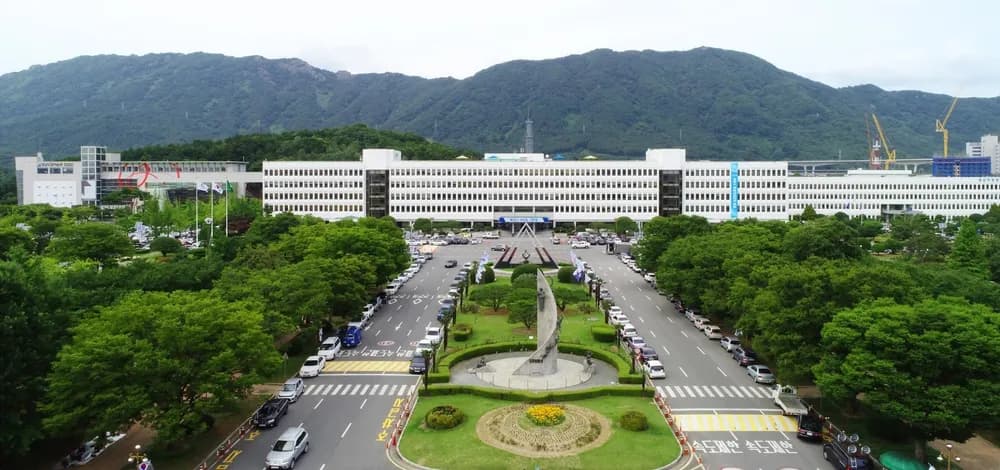
Busan, South Korea — In a move poised to reshape the future of South Korea’s southeastern region, the city of Busan and Gyeongnam Province have formed a new Public Deliberation Committee to develop a roadmap for administrative integration centered on citizen input and collaborative governance. Launched with an official ceremony at the Gyeongnam Provincial Office, the initiative addresses the growing need for regional governments to streamline resources, enhance economic competitiveness, and improve public services to benefit citizens across both jurisdictions.
This integration proposal represents a bold step for Busan and Gyeongnam, which seek to strengthen regional influence and improve resource management as part of their shared commitment to decentralization. The committee’s mission? To bring the voices of Busan’s and Gyeongnam’s residents to the forefront in drafting a comprehensive integration plan.
The concept of integration between Busan and Gyeongnam has a long history, with leaders in both the city and the province exploring ways to pool resources and create a unified regional identity. Together, they aim to address the challenges of regional economic development while balancing the concentration of resources in Korea’s capital area.
“We see the need to foster closer partnerships across our region,” Busan Mayor Park Heong-joon remarked. “The committee is our commitment to an inclusive, democratic process that will empower our citizens to shape our region’s future together.”
The 30-member Public Deliberation Committee comprises representatives from academia, industry, civic groups, and local government entities, with 15 members from each region. This diverse mix ensures that the committee’s approach reflects a cross-section of community perspectives from both Busan and Gyeongnam Province.
The committee will lead public consultations, gather feedback, and ultimately draft a policy proposal grounded in public consensus. Each region has appointed a co-chair to lead the committee: Tongmyong University President Chun Ho-hwan for Busan and former Gyeongsang National University President Kwon Soon-ki for Gyeongnam.
Recognizing the importance of citizen input, the committee has committed to creating multiple avenues for public participation. Town hall meetings, online surveys, and regional workshops will invite residents to share their thoughts and concerns, ensuring a transparent process at every stage.
“This process is only meaningful if our citizens’ voices are heard and valued,” said Gyeongnam Governor Park Wan-soo. “Our goal is to make sure that the integration plan reflects the people’s vision and needs.”
The committee will publicly share findings and progress updates through local government websites and social media channels, allowing residents to follow developments closely.
The integration promises a host of potential benefits, including increased economic opportunity, more efficient resource allocation, and enhanced public services. By aligning policies and resources, the unified administration hopes to attract investment, stimulate economic growth, and provide more efficient services to residents across the city and province.
Continue this reporting
Reporting on the same issue
Related coverage selected from the article's desk, topics and newsroom relationships.
 NewsSep 20, 2026
What It Takes for U.S. Navy Repair Work to Become a Busan Industry
HJ Shipbuilding has brought U.S. Navy maintenance work to Yeongdo. Whether it...
 NewsSep 17, 2026
Busan’s Finished Homes, Unfinished Projects
Busan’s unsold homes sit in one monthly total, but they belong to very differ...
 NewsSep 16, 2026
Busan’s Young-Adult Migration Turns Sharply at 25–29
Busan can still draw young adults into the city, but keeping them becomes far...
More from the author
More from this byline
Stay with the same line of reporting through more work from this byline.
 NewsSep 18, 2026
The Other AI Race Is for the Freedom to Change Course
 NewsSep 5, 2026
How a Political Appointment Becomes a Judgment of Character
Editorial Record
Corrections, sourcing notes and newsroom disclosures remain part of the published record. View Newsroom Notes →
Reader Signal
Community readWhat did this report leave you with?
Choose the signal that best reflects your reading. Select it again to remove it.
One response per article
No response selected
A moderated conversation about the reporting.
One-level replies and newsroom moderation keep the conversation anchored to this article.
Discussion Status
Open
Please sign in to join the discussion.
Newsletter
Weekly reporting and context from Busan and Korea.