Busan Enhances Support for Multicultural and Foreign Families
Busan, May 14, 2024 — In a progressive move to foster greater integration and support for multicultural and foreign families, the city of Busan held an educational roundtable at the Asia Community School in Nam-gu district this morning. The event, which commenced at 10:30 AM, saw the participation of Mayor Park Hyung-jun, representatives from the city’s Education Office and Immigration Bureau, as well as academics and specialists from multicultural support centers. The primary aim of the roundt
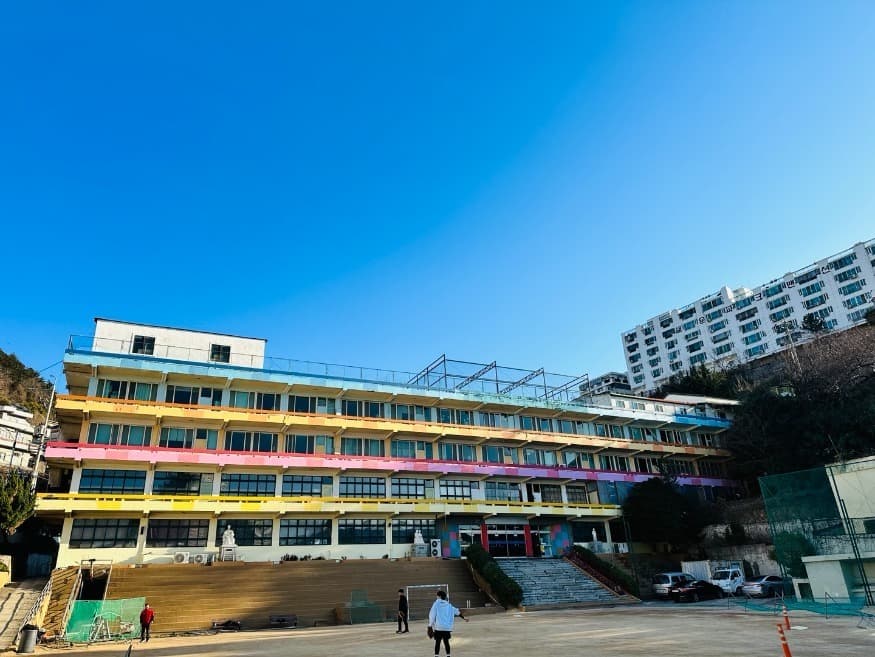
Busan, May 14, 2024 — In a progressive move to foster greater integration and support for multicultural and foreign families, the city of Busan held an educational roundtable at the Asia Community School in Nam-gu district this morning. The event, which commenced at 10:30 AM, saw the participation of Mayor Park Hyung-jun, representatives from the city’s Education Office and Immigration Bureau, as well as academics and specialists from multicultural support centers.
The primary aim of the roundtable was to discuss and establish stronger collaborative ties between various stakeholders to support school-aged children from multicultural backgrounds. Key topics included strategies to help these children adapt to school life and improve their foundational learning skills.
Busan’s commitment to supporting the rapidly growing population of children from international marriages and foreign families is evident in its tailored support system, which addresses various growth stages. This system includes financial assistance for childcare expenses for children of foreign nationals, educational activity funds for low-income multicultural families, and expanded basic learning support to help children adapt to school life. Starting in 2025, the city plans to offer monthly childcare fee support ranging from 335,000 to 540,000 KRW. Additionally, annual educational activity funds will be provided, amounting to 400,000 KRW for elementary students, 500,000 KRW for middle school students, and 600,000 KRW for high school students.
The city also aims to increase community acceptance of multicultural families through various initiatives. The ‘Deullak Nallak’ multicultural experience center will offer programs that allow children to engage with and understand diverse cultural practices. Furthermore, global camps will be organized for multicultural youth, providing them opportunities for international exchanges and cultural tours, thereby fostering a sense of belonging and global awareness.
Today’s roundtable is Busan’s dedication to integrating multicultural and foreign residents into the societal mainstream. The city continues to listen to voices from the field, ensuring that policies are reflective of the real needs and challenges faced by these communities. Statistics presented at the meeting highlighted a steady increase in the number of school-aged children from multicultural families, reaffirming the necessity of focused educational initiatives. As of 2022, 62% of the 13,124 children from multicultural families in Busan are of school age, marking a significant rise over recent years.
Mayor Park emphasized the city’s commitment to inclusivity, stating that expanding tailored support for children of multicultural and foreign families will help nurture them into future global talents. This approach ensures that no one is left behind in Busan's pursuit of becoming a city where everyone wishes to live.
Continue this reporting
Reporting on the same issue
Related coverage selected from the article's desk, topics and newsroom relationships.
 NewsSep 20, 2026
What It Takes for U.S. Navy Repair Work to Become a Busan Industry
HJ Shipbuilding has brought U.S. Navy maintenance work to Yeongdo. Whether it...
 NewsSep 17, 2026
Busan’s Finished Homes, Unfinished Projects
Busan’s unsold homes sit in one monthly total, but they belong to very differ...
 NewsSep 16, 2026
Busan’s Young-Adult Migration Turns Sharply at 25–29
Busan can still draw young adults into the city, but keeping them becomes far...
More from the author
More from this byline
Stay with the same line of reporting through more work from this byline.
 NewsSep 18, 2026
The Other AI Race Is for the Freedom to Change Course
 NewsSep 5, 2026
How a Political Appointment Becomes a Judgment of Character
Editorial Record
Corrections, sourcing notes and newsroom disclosures remain part of the published record. View Newsroom Notes →
Reader Signal
Community readWhat did this report leave you with?
Choose the signal that best reflects your reading. Select it again to remove it.
One response per article
No response selected
A moderated conversation about the reporting.
One-level replies and newsroom moderation keep the conversation anchored to this article.
Discussion Status
Open
Please sign in to join the discussion.
Newsletter
Weekly reporting and context from Busan and Korea.